Moody Teas

Black Wellness Has Always Been Resistance

Black History Month isn’t a marketing moment. It exists because Black history has been erased, minimized, and stripped of context for centuries. Tea is part of that history. From colonial trade monopolies to Black herbal traditions built out of necessity, tea and wellness didn’t emerge in neutral spaces. They were shaped by labor, exclusion, and survival. Understanding that lineage matters, especially in an industry that often sells calm without context. This month, Moody Teas is grounding our work in historical truth, lived experience, and care that goes beyond aesthetics.
Read More Black Wellness Has Always Been Resistance

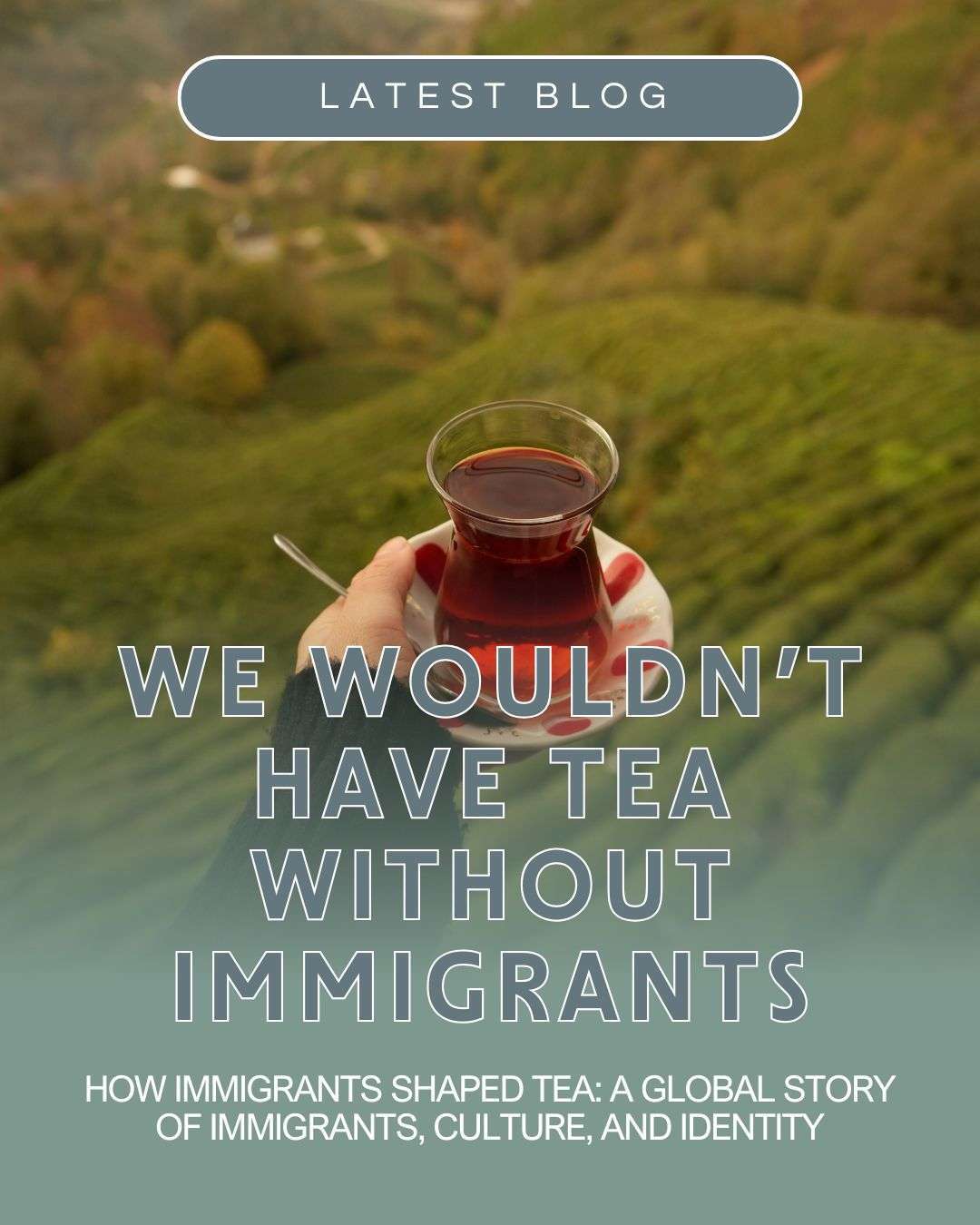
How Immigrants Shaped Tea: A Global Story of Immigrants, Culture, and Identity

We wouldn’t have tea without immigrants. The tea we drink today exists because people moved, across borders, across oceans, across generations. From the workers who built tea economies to the immigrants who carried tea rituals into new cities, cafés, and communities, tea has always been shaped by migration. For countless immigrant communities, tea is more than a beverage. It is a way to recreate home in unfamiliar places. A way to gather. A way to survive displacement with dignity intact. From chai to boba, tea culture exists because immigrants brought their traditions with them and let them evolve. Tea is not neutral. It is shared history in a cup.
Read More How Immigrants Shaped Tea: A Global Story of Immigrants, Culture, and Identity

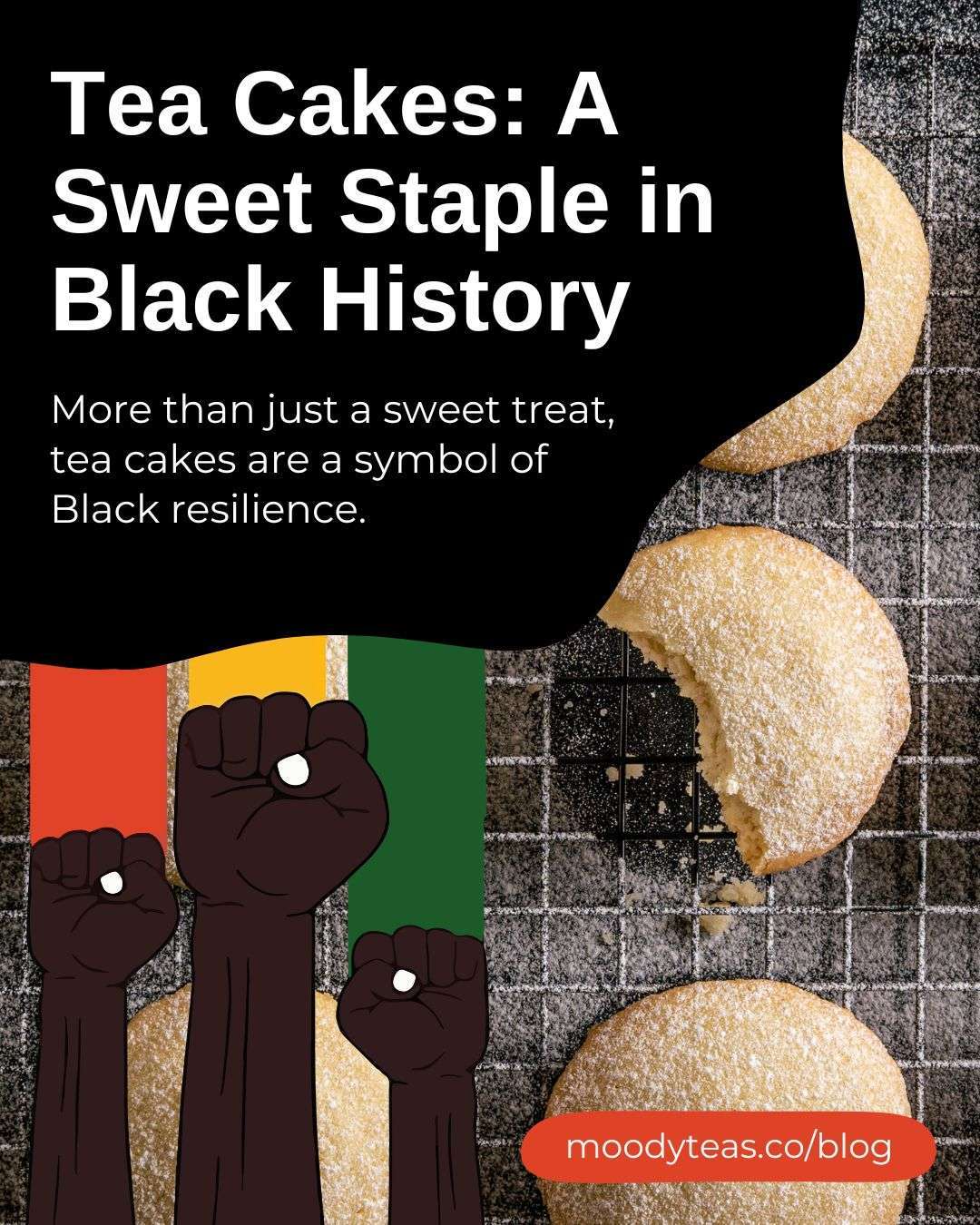
Tea Cakes: A Sweet Staple of Black History

Tea cakes aren’t just a snack—they’re a story. Born from resilience and resourcefulness, these soft, simple cookies have been a staple in Black homes for generations. Enslaved African Americans, denied access to the refined pastries of their enslavers, crafted their own version using what little they had—molasses, brown sugar, nutmeg, and ingenuity. But the story of tea cakes isn’t just about what went into them—it’s about the labor that made them possible. From sugarcane fields to wheat plantations, Black hands did the backbreaking work of cultivating the very ingredients they were rarely allowed to enjoy. Yet, from those scraps, they created something lasting. Tea cakes became a symbol of survival, shared at church gatherings, family celebrations, and passed down through generations. As we honor Black History Month 2025 and its theme, “African Americans and Labor,” let’s take a moment to recognize the hands that built, baked, and preserved this history. Tea cakes aren’t just food—they’re a legacy.
Read More Tea Cakes: A Sweet Staple of Black History

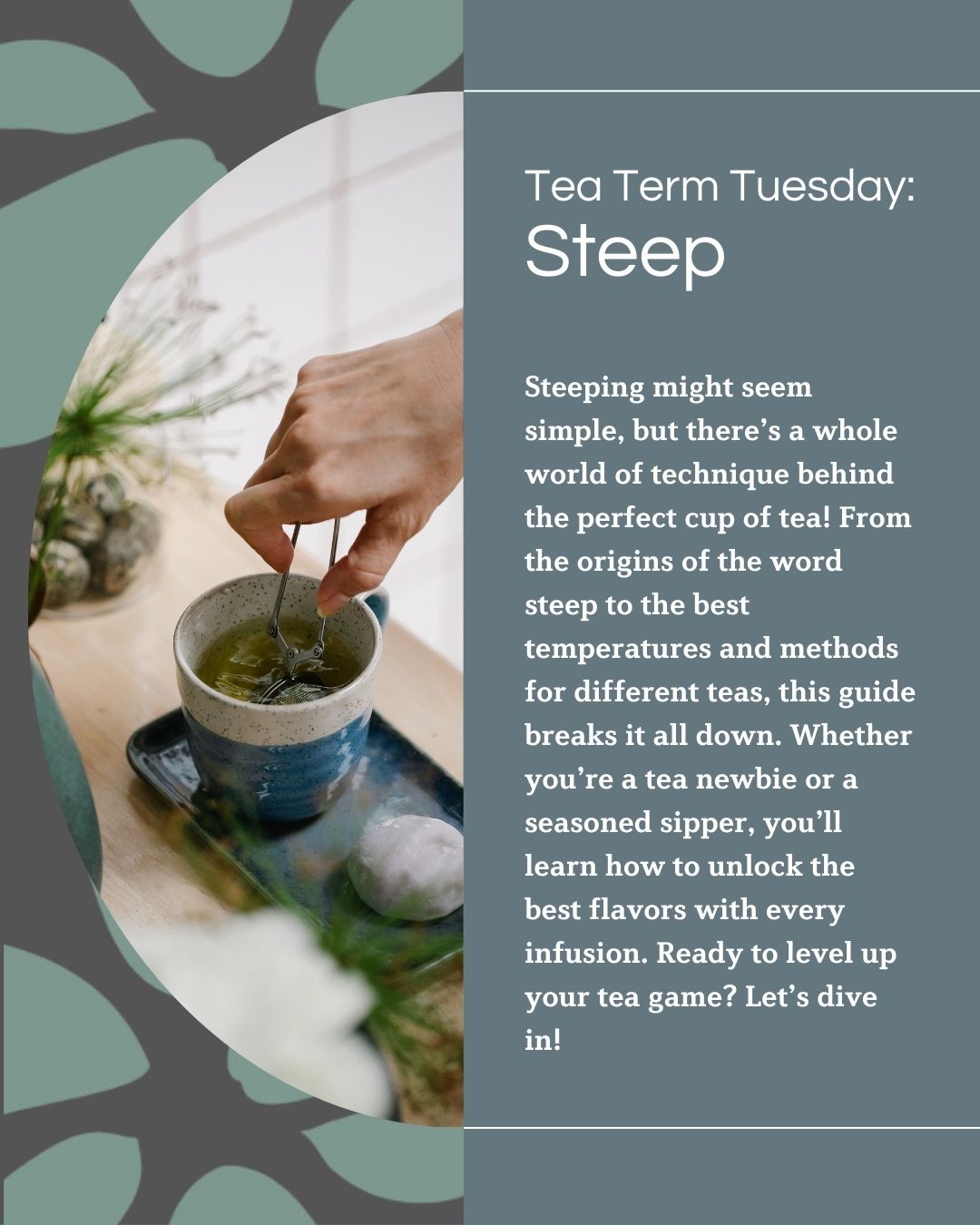
Tea Term Tuesday: Steep

Steeping is the key to unlocking the rich flavors and aromas hidden within tea leaves, but did you know there’s more to it than just soaking leaves in hot water? From the origins of the word steep to the nuances that differentiate it from brewing, this guide explores the art of steeping, covering optimal temperatures, steeping techniques, and even traditional methods like Gongfu and Grandpa style. Whether you prefer bold black tea, delicate white tea, or a refreshing cold steep, mastering your steeping process can transform your tea experience. Ready to elevate your cup? Let’s dive in!
Read More Tea Term Tuesday: Steep

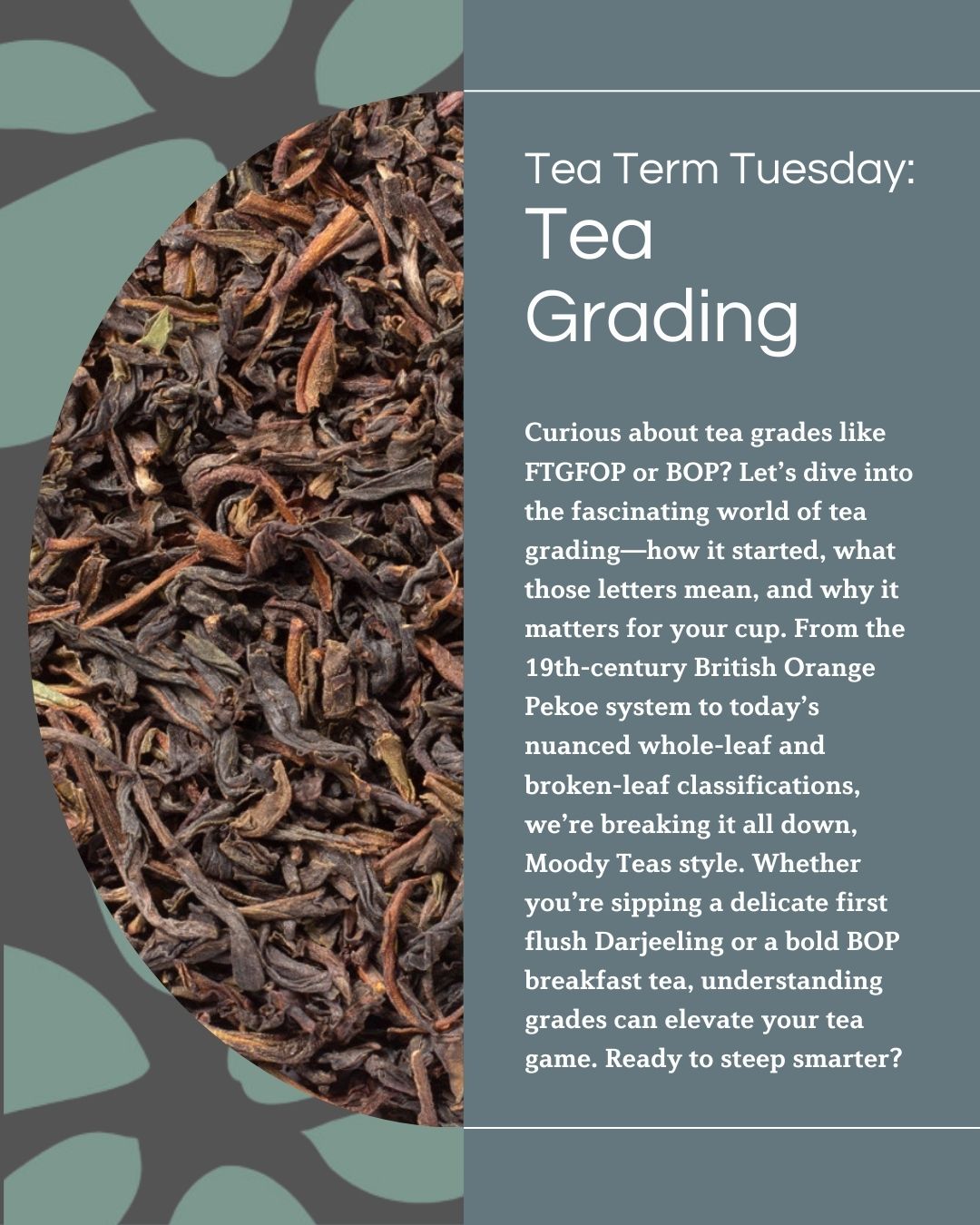
Tea Term Tuesday: Tea Grading

Hey there, tea lovers! Ever wondered what’s up with those mysterious tea grades like FTGFOP or BOP? Don’t worry—we’ve got you covered. Tea grading is all about sorting leaves by size, shape, and quality. Spoiler alert: it has nothing to do with flavor but can still tell you a lot about your brew. Back in the 19th century, British merchants came up with the Orange Pekoe (OP) grading system to keep things consistent as they shipped tea worldwide. Think of it as a quality control checklist for tea leaves. Today, grades like “Golden Flowery Orange Pekoe” (GFOP) or “Broken Orange Pekoe” (BOP) help tea enthusiasts decode what’s in their cup, whether it’s a smooth, whole-leaf luxury or a bold, quick-brewing powerhouse. So next time you see FTGFOP on a label, you’ll know it’s not just alphabet soup—it’s tea royalty. Cheers to steeping smarter!
Read More Tea Term Tuesday: Tea Grading

Best Books About Tea: National Author’s Day 

Yesterday was National Author's Day, so let's sip, savor, and steep our way into the fascinating world of tea with a journey through the best books about tea! Whether you're a seasoned tea connoisseur or a budding enthusiast, these books offer a window into the rich history, diverse cultures, and endless flavors of this beloved beverage. So, put the kettle on, brew your favorite tea, and settle in as we explore the must-reads that will transform you into a tea aficionado.
Read More Best Books About Tea: National Author’s Day 

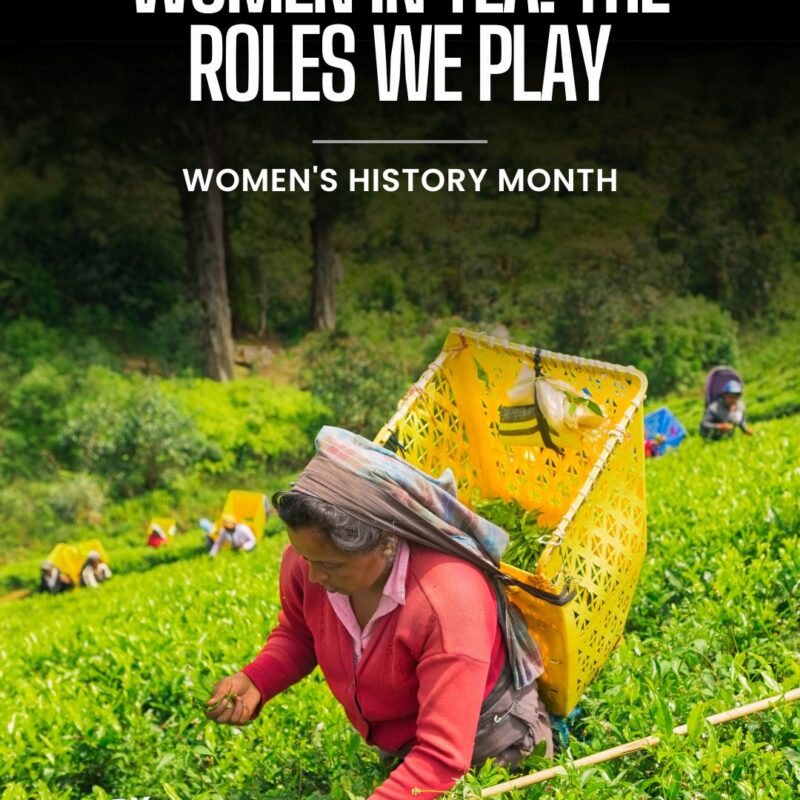
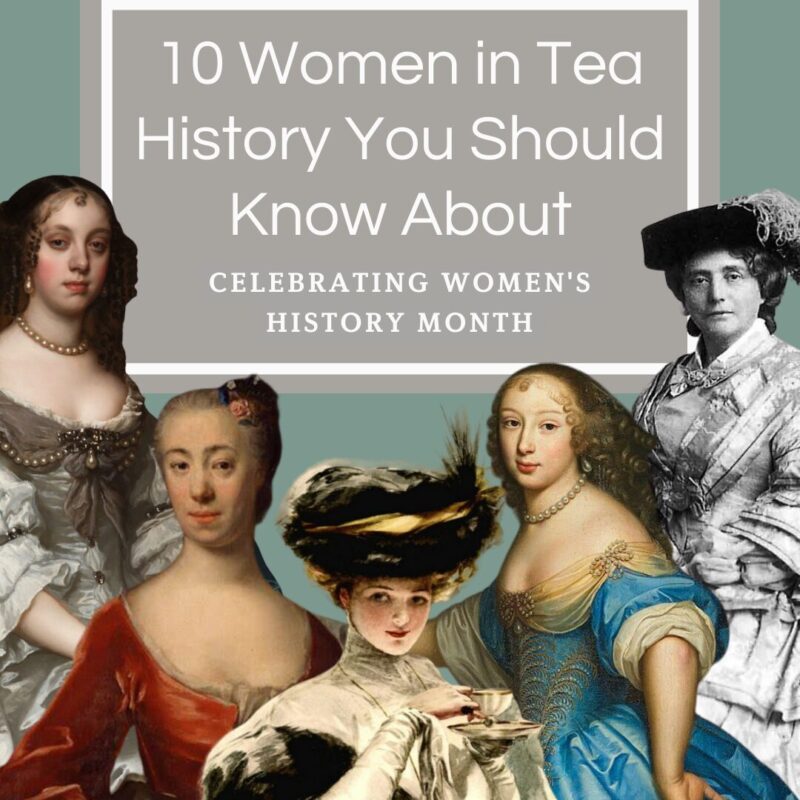
10 Women in Tea History You Should Know About 

It's Women's History Month! As a woman owned business, we're ecstatic to take this month to write about women's roles in tea! The tea industry has a long and rich history. There have been many women throughout history who have played important roles in the cultivation, production, and consumption of tea. Keep reading to learn about just a few examples of women who played important roles in tea and women's history.
Read More 10 Women in Tea History You Should Know About 

Leaving without saying goodbye?

No discount, no guilt trip. Tell us where to send the next new blend before everyone else finds out.

Unsubscribe anytime. We never sell your info.

You're in! Watch your inbox for the next new blend.