Valentine’s Day didn’t start out as a shopping holiday.
It became one.
Somewhere along the way, care got replaced with checkout screens. Love became a performance. And opting out started to feel like a personal failure instead of a perfectly reasonable choice.
If Valentine’s Day stresses you out more than it connects you, that’s not a you problem. That’s design.
When Love Turns Into an Obligation
Modern Valentine’s culture runs on emotional pressure.
There’s an expectation baked in. Buy the gift. Make the reservation. Document the moment. Do enough to prove you showed up the “right” way.
The message underneath it all is simple and unforgiving: participation equals care. Anything less looks like failure.
That framing benefits brands far more than it benefits people. It turns affection into a transaction and creates a false choice between spending and disappointing. Between performing and falling short.
For people already stretched thin, that pressure lands even harder. Limited money, limited time, limited energy. Instead of acknowledging those realities, Valentine’s marketing often treats them as personal shortcomings.
Performative Gifting Isn’t the Same as Care
There’s nothing wrong with enjoying Valentine’s Day, or with giving gifts because you genuinely want to.
The problem starts when gifts exist primarily to be seen.
Performative gifting prioritizes optics over intention. It rewards scale instead of thought, visibility instead of fit. Bigger and flashier often get treated as more meaningful, even when the gesture itself feels disconnected.
Care usually moves in the opposite direction. It’s quieter. More specific. Grounded in knowing what actually helps someone feel supported, rested, or understood.
That kind of care doesn’t always translate well on social media. But it lasts longer.
Opting Out Is a Valid Choice
Skipping the prix-fixe dinner doesn’t make you unromantic. Keeping your money doesn’t mean you care less. Redefining the day isn’t a failure of effort.
Opting out is often a refusal to participate in obligation dressed up as romance.
For some people, love this time of year looks like a quiet night in. For others, it’s checking in on friends, making something by hand, or intentionally doing less. Those choices aren’t about avoidance. They’re about alignment.
Care doesn’t need a receipt to count.
What Celebrating Without Consuming Can Look Like
Opting out doesn’t mean opting out of care. It just means choosing it differently.
Here are a few ways people mark Valentine’s Day without buying more stuff or turning it into a performance:
Use what you already have
- Cook a meal at home
- Light the candle you’ve been saving
- Write a note by hand
Spend time together without overplanning
- Go for a walk
- Sit on the couch
- Talk without multitasking
Make someone’s day easier
- Take a chore off their plate
- Run an errand
- Handle something they’ve been avoiding
Revisit something familiar
- A comfort movie
- A meal tied to a memory
- A playlist from another chapter of life
Say the thing you’ve been holding back
- The text you keep drafting
- The thank-you you never sent
- The honest check-in
Spend time with friends
- Share a meal
- Catch up
- Laugh about nothing important
Choose rest
- Cancel plans
- Go to bed early
- Take a long shower
Step away from the internet
- No posting
- No documenting
- No pressure
Give something you already own
- A favorite book
- A plant cutting
- A recipe you make by heart
Let the day pass quietly
- No plans
- No purchases
- No expectations
None of this is about doing Valentine’s “right.”
It’s about doing it in a way that actually feels good.
Choosing Intention Over Excess
If you do want to mark the day, intention matters more than scale.
That might mean making do with what you already have.
Or choosing something small and thoughtful instead of performative.
Or giving a gift that invites pause instead of pressure.
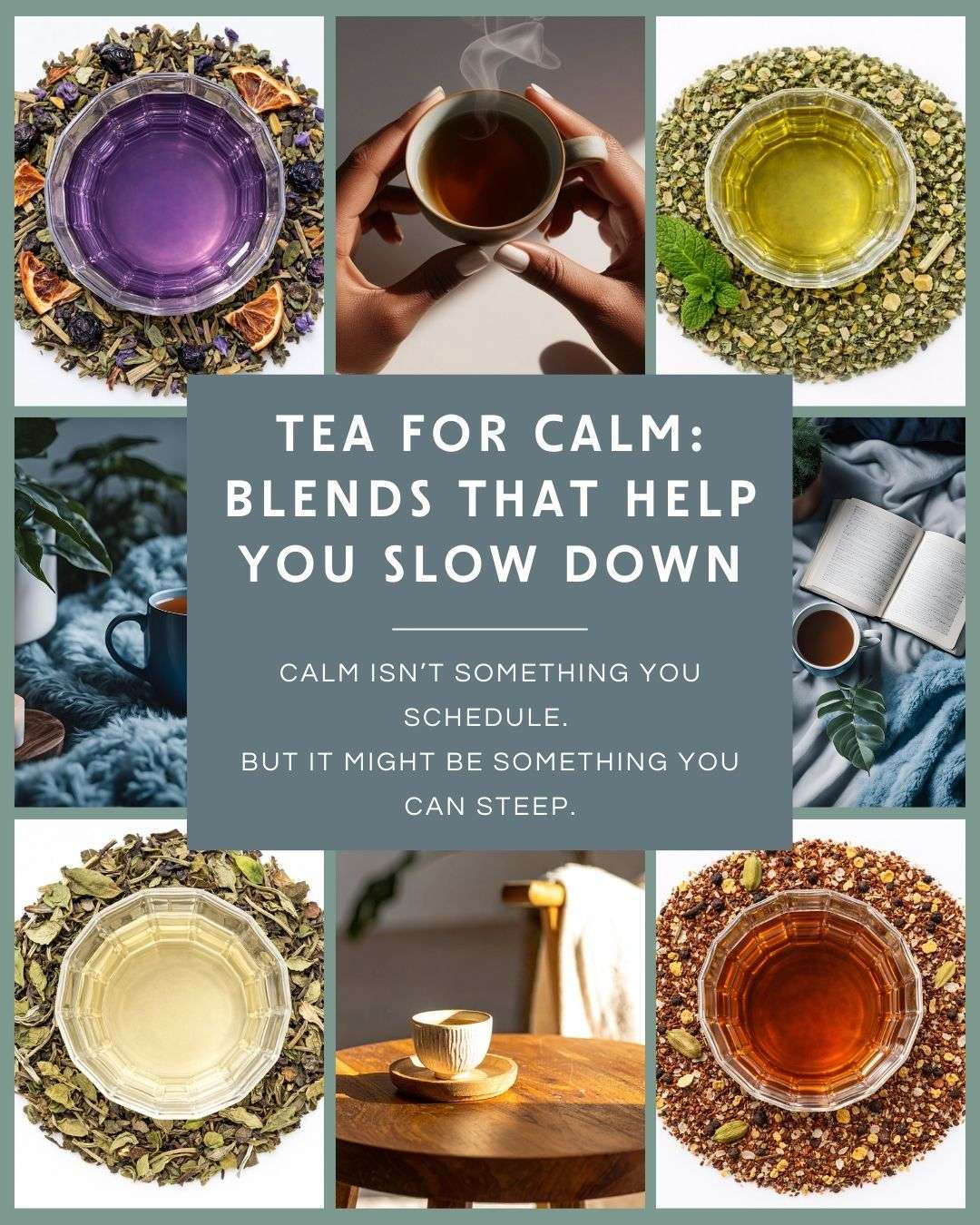
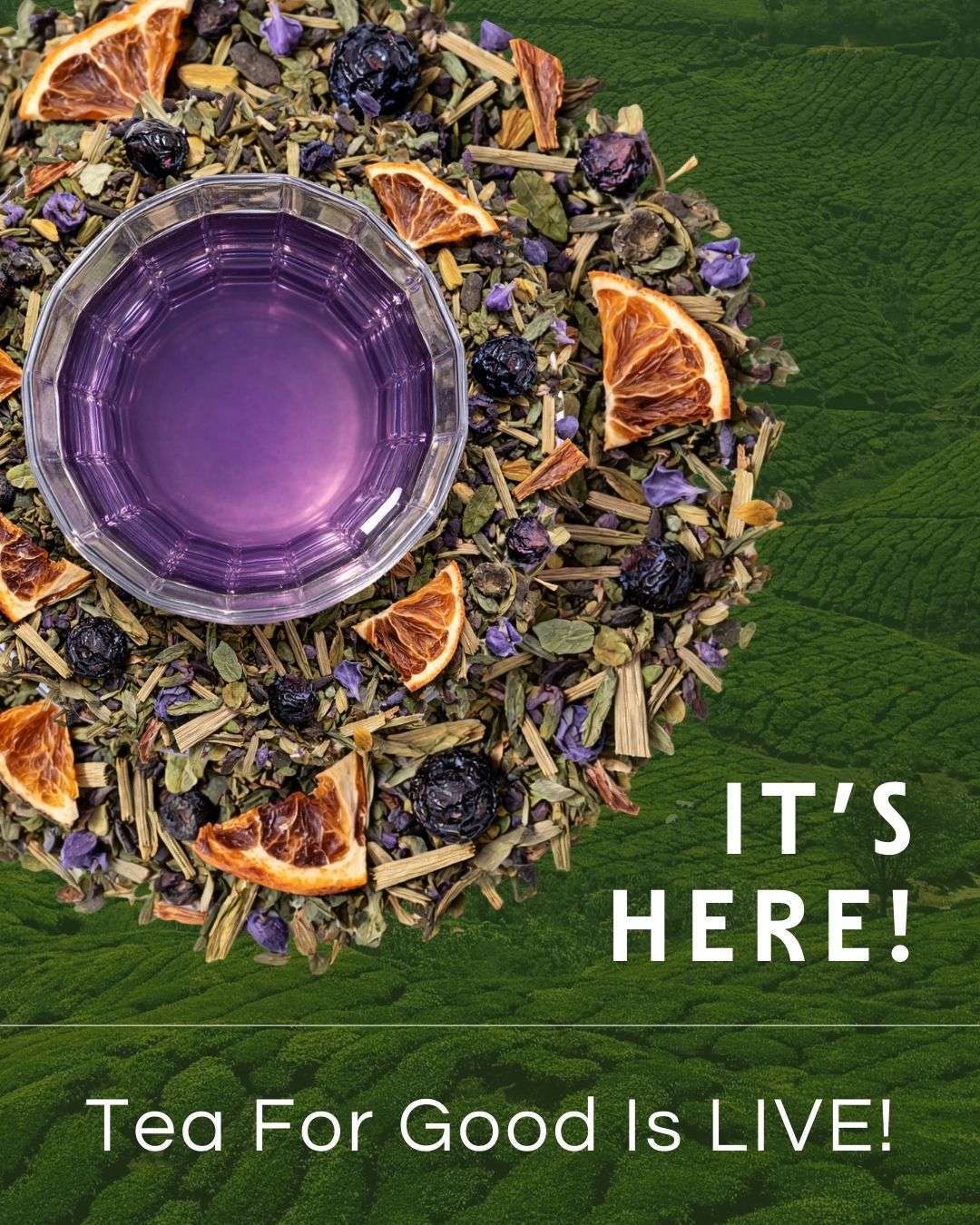
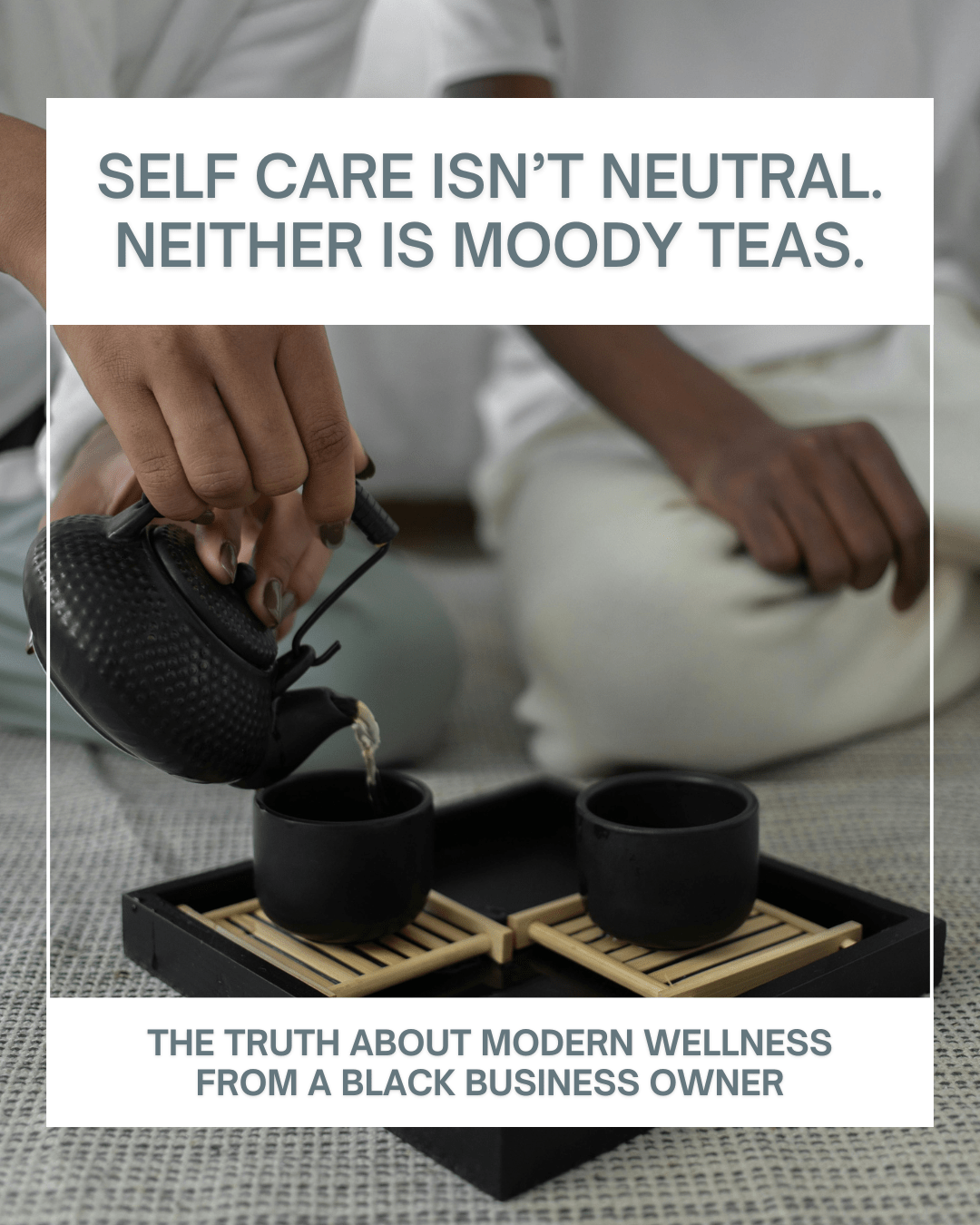
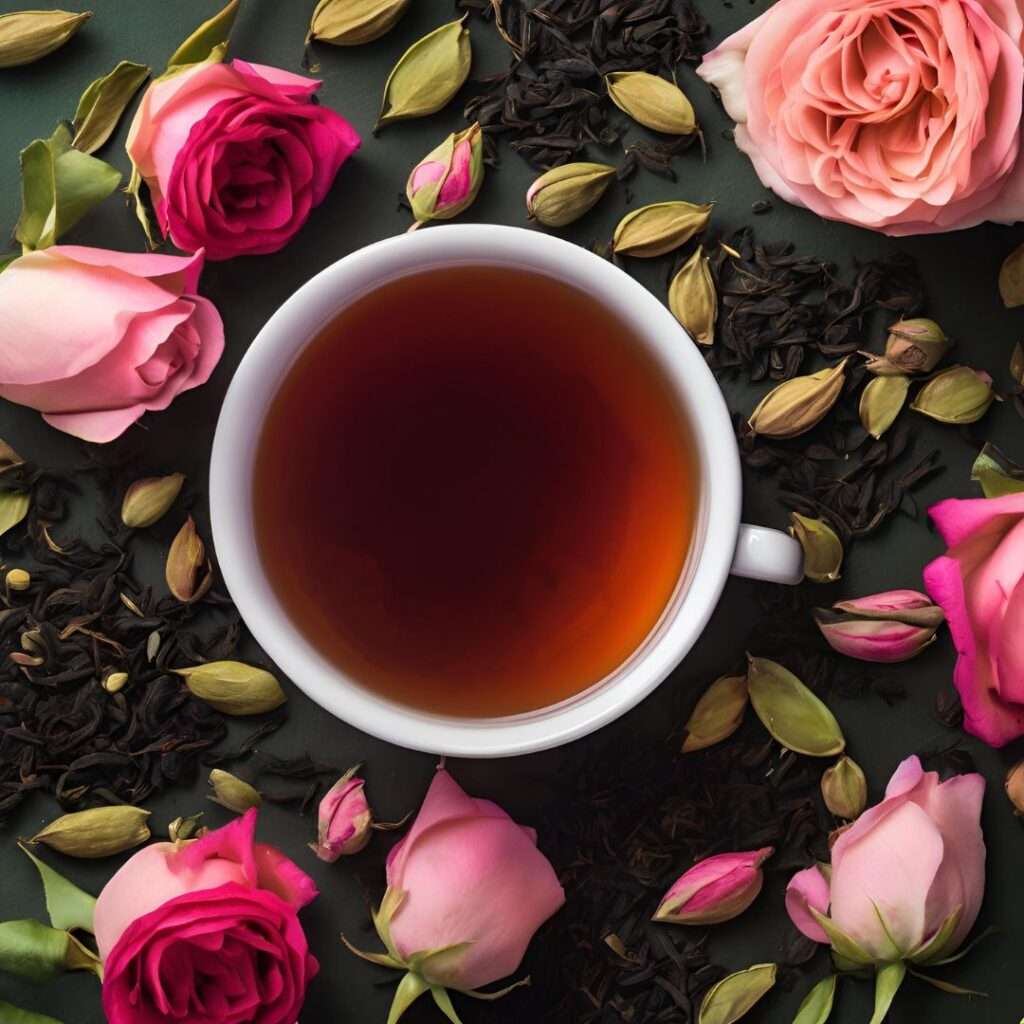
At Moody Teas, that’s how we think about Valentine’s. Our Loving blends were created for moments of care that don’t require spectacle. A warm cup. A shared pause. Something that says “I thought about you” without shouting it.
If that resonates, our Loving blends were designed to create small moments of pause and connection — for you and the people you care about.

Love Doesn’t Expire on February 14
The biggest lie Valentine’s Day sells is that love has a deadline.
It doesn’t.
Care is ongoing. Affection isn’t seasonal. And the most meaningful gestures rarely line up with a marketing calendar.
However you approach this holiday, let it be on your terms. Less pressure. More intention. That still counts.