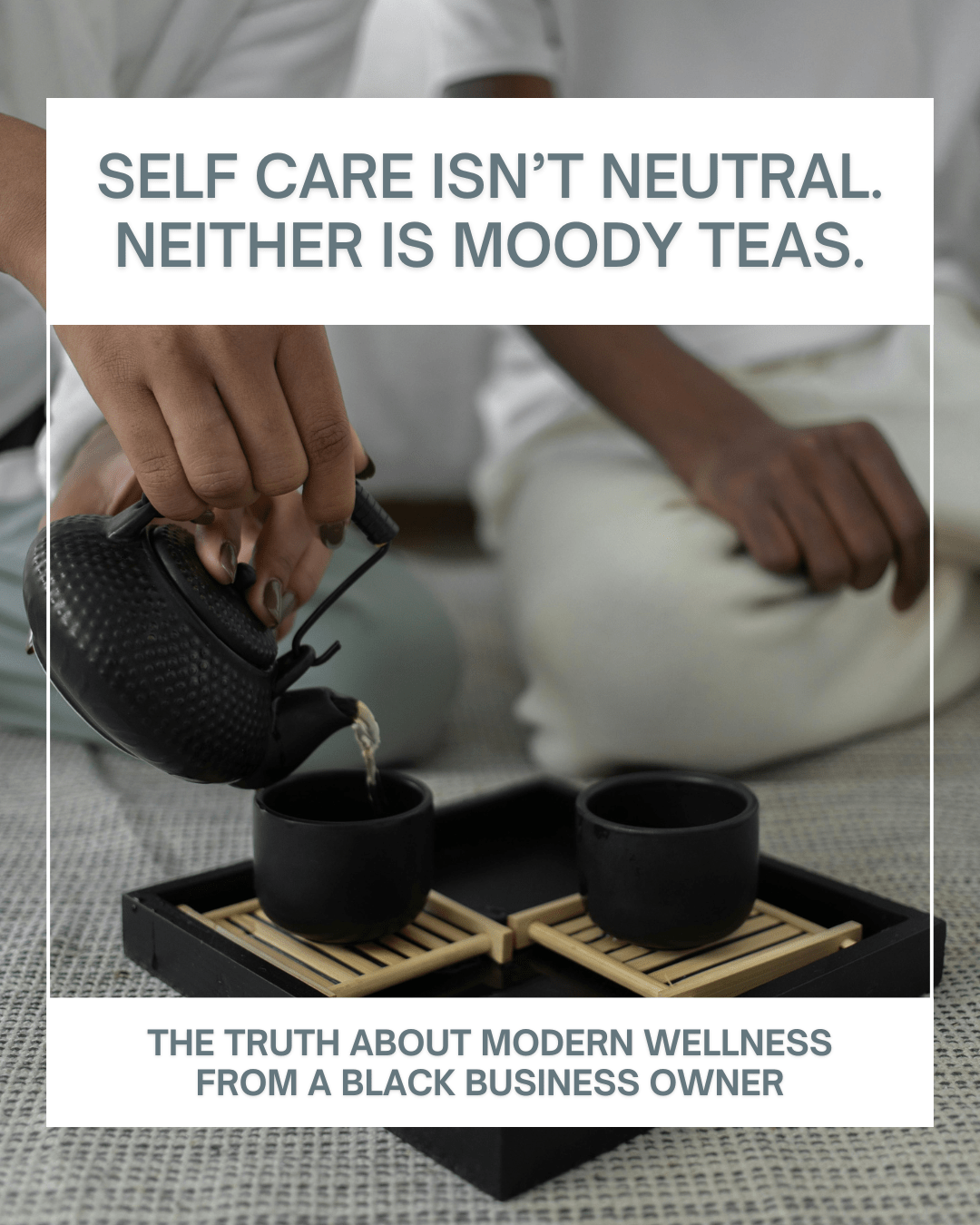
Self-care isn’t neutral.
I know that’s not the cute take. It’s not aesthetic. It doesn’t fit neatly into a pastel infographic. I’m okay with that.
I also need to say something plainly: I don’t like being in the “wellness industry.”
We get categorized there, sure. But let’s be honest about what that industry is. It’s narrow. It’s exclusionary. It’s overwhelmingly white at the top. It rewards aesthetics over access. It sells “protect your peace” while staying very quiet about who gets funding, who gets visibility, and who gets pushed to the margins.
And yes, it has a racism problem.
The Problem with Wellness
The wellness world loves to talk about balance and alignment. It does not love to talk about the racial wealth gap. It does not love to talk about the fact that Black founders receive a fraction of venture capital funding. It does not love to talk about how Black-owned brands are often labeled “niche” while white-owned brands are labeled “universal.”
As a Black business owner, I feel that tension constantly.
I feel it when conviction is called “too political.”
When honesty is called “aggressive.”
When access to capital shrinks the second you stop being palatable.
So no, I don’t romanticize being part of this industry. Historically, wellness wasn’t built with us in mind. But Black communities have always practiced wellness anyway.
Just not in the curated-feed, luxury-retreat way it’s packaged now.
This Type of “Wellness” Doesn’t Apply to Us
Black self-care has always been collective. It looked like mutual aid societies in the 1800s pooling money for burial costs and healthcare when formal systems excluded us. It looked like church kitchens feeding families during hard seasons. It looked like the Black Panther Party’s Free Breakfast Program feeding thousands of children before school because hunger was a health issue. It looked like neighbors watching each other’s kids so someone could work a double shift.
That wasn’t indulgence. That was infrastructure.
Somewhere along the way, wellness got individualized and sanitized. It became something you purchase alone. A bath. A candle. A supplement. A retreat. All framed as personal optimization, disconnected from the systems that create the stress in the first place.
Meanwhile, burnout is structural. Racism is structural. Economic pressure is structural.
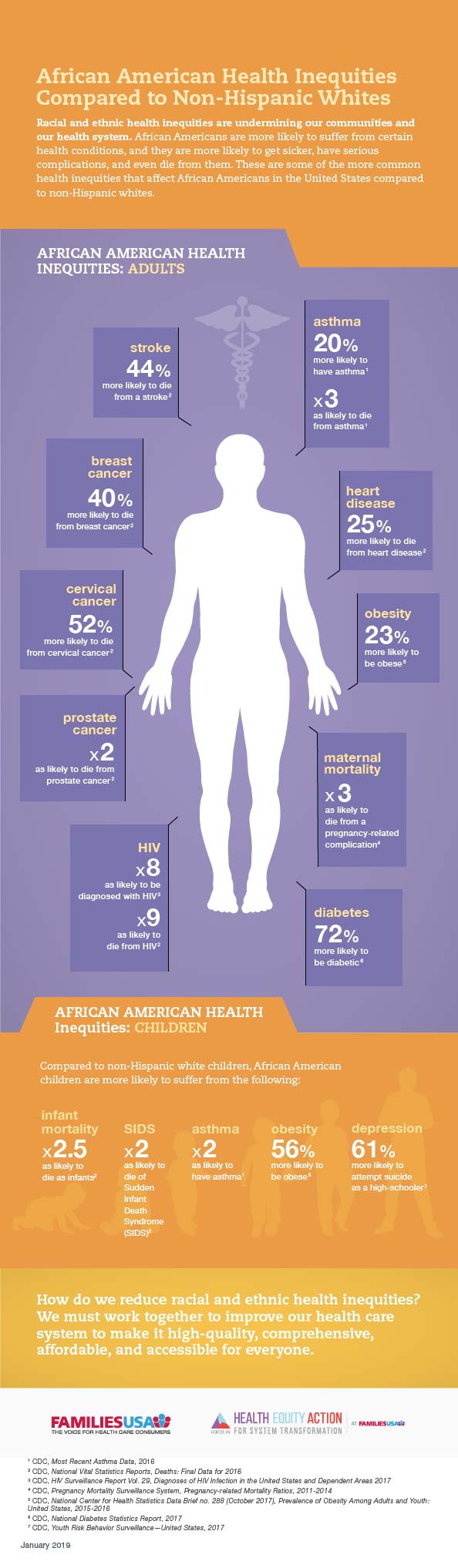
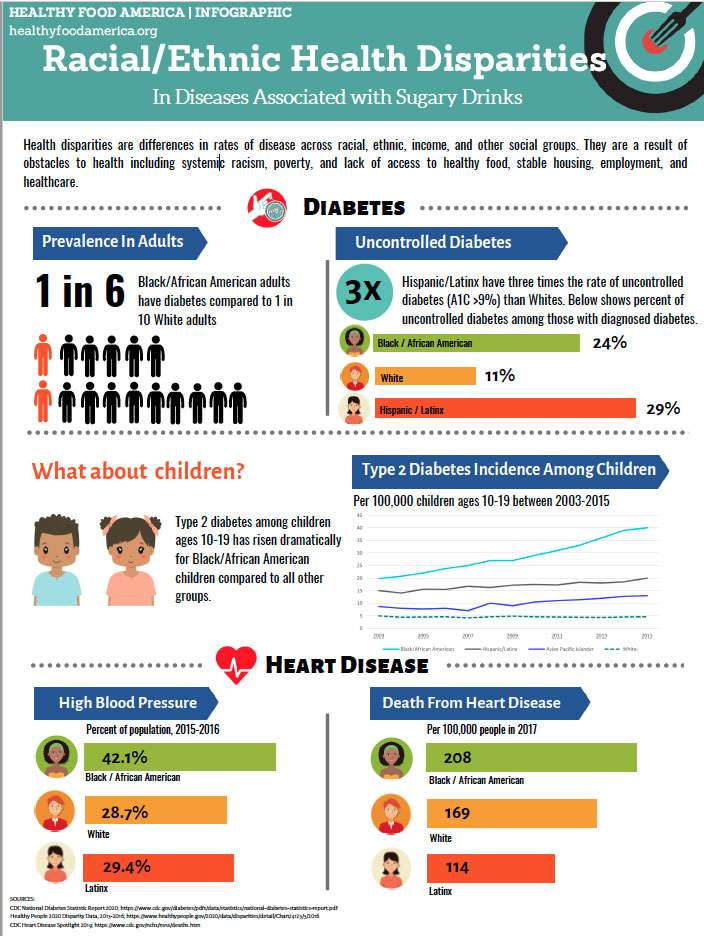
Black Americans experience higher rates of hypertension, maternal mortality, diabetes, and stress-related illness. That isn’t about discipline. It’s about institutionalized racism. It’s about unequal care, environmental exposure, underfunded communities, and the documented physiological toll of chronic discrimination. That’s public health reality. (See below for more info on health disparities.)
Wellness will never be equitable if the industry refuses to confront that and keeps pretending individual routines can fix structural harm.
But the industry would rather sell you a coping mechanism than talk about the structure.
I love rest. I love ritual. I love a quiet cup of tea. But if your version of self-care ends at your nervous system and never touches your community, it’s incomplete.
Self-care can stop with you. Or it can move through you.
That distinction matters.
We’re Doing It Differently
When we built Moody Teas, we knew we didn’t want to replicate an industry that gatekeeps wellness and calls it premium. We wanted something accessible. Affordable. Community-facing. Something that recognizes that feeling better personally and building something collectively don’t have to be separate goals.
Because neutrality in wellness is still a choice.
If you refuse to name injustice, that’s a choice.
If you benefit from the system but never question it, that’s a choice.
We chose differently.
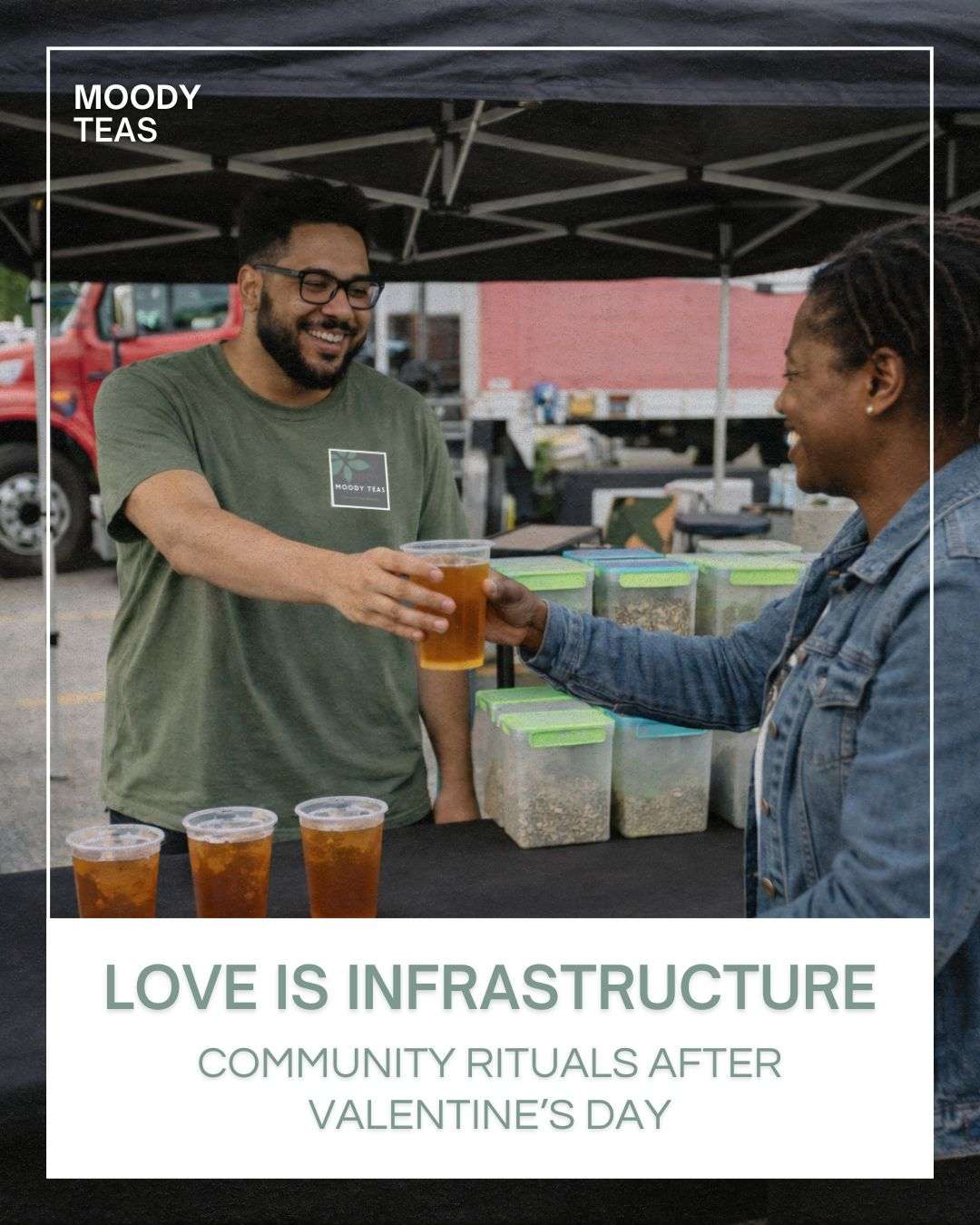
A cup of tea can calm you down. It can also support small farmers. It can circulate money through local markets. It can fund initiatives that extend beyond the individual. Ritual can be more than aesthetic. It can be economic participation. It can be solidarity.
Self-care without community is self-preservation.
Community care means nobody carries the weight alone. It means checking in. Sharing resources. Building structures that last longer than one good mood.
What Comes Next…
That belief is shaping what we’re launching next. Not as a marketing angle. As infrastructure. As a way to prove that care doesn’t have to stop at the edge of your own comfort.
If this resonates, stay close. Join the email list below for early access and impact updates. Not for discounts. For alignment.
Self-care isn’t neutral.
And neither are we.
— John
More info on Health Disparities in the Black Community