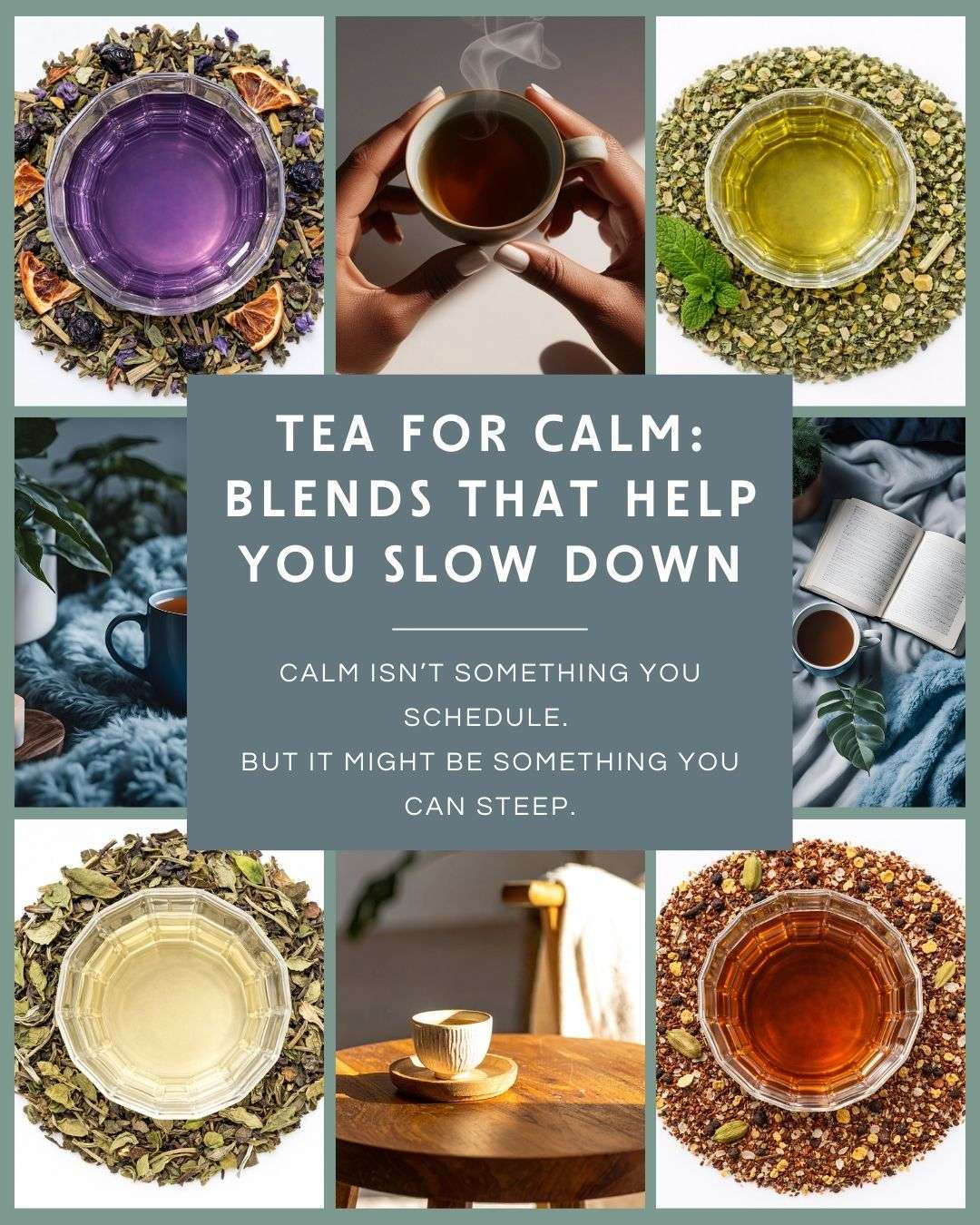
Tea can do a lot.
A good cup can slow the day down. It can help you wake up when your brain refuses to cooperate. It can create a quiet moment in the middle of a loud world.
Those small rituals matter. Care matters.
But tea also has limits.
A cup of tea cannot fix systemic inequity. A purchase alone cannot redistribute power. No wellness product, no matter how thoughtfully sourced, can solve problems that were built into our systems long before any of us were born.
We believe it matters to say that plainly.
Moody Teas exists because we care deeply about the role everyday rituals play in people’s lives. But if we’re honest about what tea can do, we also have to be honest about what it cannot do.
That honesty is what led us to build something bigger.
The Limits of Consumer Activism
Over the past decade, many people have tried to turn their spending into a form of activism. The logic is straightforward. Support ethical businesses. Buy from small companies. Choose brands that align with your values.
Those choices matter. Supporting mission-driven companies keeps them alive in a marketplace that often rewards scale, convenience, and the lowest possible price.
But consumer choices alone cannot dismantle structural inequality.
This is one of the uncomfortable truths behind the limits of consumer activism. Spending can support ethical wellness brands. It can signal values. It can shift demand over time.
What it cannot do is replace systemic change.
A purchase can support a company that cares about people. It cannot, by itself, change the systems those people live under.
Recognizing that limit matters. Otherwise, brands risk selling the idea that buying the right product is the same thing as building a better world.
The Problem With the Wellness Industry
Much of the modern wellness industry focuses on personal improvement. Improve your routine. Upgrade your habits. Buy better products and you can engineer a healthier life.
But wellness conversations rarely address the structural forces that shape health in the first place. Who has access to care. Who can afford it. Who gets left out.
Historically, many wellness spaces have been narrow and exclusionary. Communities experiencing the greatest health disparities are often the least represented in wellness culture.
Black communities, in particular, face well-documented health inequities tied to environmental exposure, economic inequality, medical bias, and systemic racism.
Those realities cannot be solved through personal routines alone.
That’s one reason John has always felt uneasy with the label “wellness brand.” Too often the industry asks individuals to solve problems that are fundamentally collective. It encourages people to optimize themselves while ignoring the systems shaping their lives.
Self-Care vs Collective Care
Self-care matters. Rest matters. Taking care of yourself matters. But self-care alone cannot carry the weight of community health.
The conversation becomes more meaningful when we shift from individual wellness to collective care. Community-based wellness recognizes that well-being is shaped by the conditions people live in.
- Housing stability.
- Food access.
- Environmental safety.
- Economic opportunity.
- Community support.
These factors shape health just as much as individual habits do.
No one can drink enough tea to solve those problems alone. But businesses can decide how they show up inside those systems.
The Responsibility of a Minority-Owned Wellness Brand
Moody Teas was founded by two people who think about these questions from lived experience.
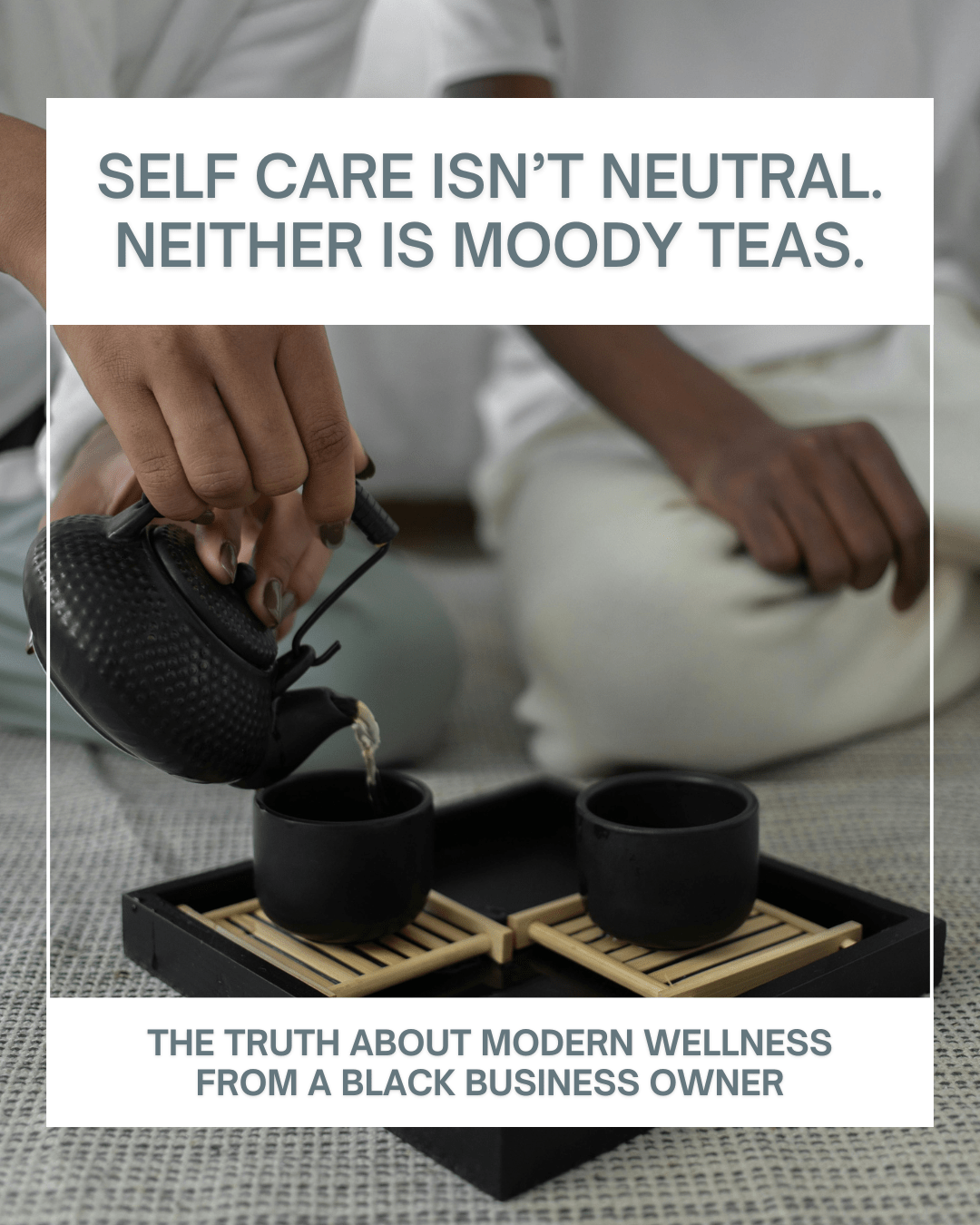
John is a Black entrepreneur building a business in industries that have historically excluded Black ownership, especially in wellness spaces that have often centered wealth, whiteness, and individual consumption. Running a Black-owned wellness brand means acknowledging those realities and refusing to pretend health inequities don’t exist.
Nora is a woman building a business in industries that have long profited from women’s insecurity while excluding women from real ownership and leadership. She also lives with chronic illness and disability, which means wellness has never been a lifestyle trend for her. Running a woman-owned wellness brand means rejecting the body shaming, pseudoscience, and impossible standards that dominate the industry, and being honest about the barriers disabled and chronically ill people face when trying to access care.
Both founders are queer, building a business in a culture where queer communities have often had to create their own systems of care and support. Running a queer-owned business means recognizing that community care is not a marketing concept. It’s a survival practice that has sustained queer people for generations, and it carries a responsibility to build spaces that are safer, more inclusive, and rooted in mutual support.
Both founders are also neurodivergent, building a company inside systems that were largely designed around narrow expectations about productivity, focus, and how people are supposed to work. Running a neurodivergent-owned business means recognizing how many people those systems exclude and building structures that are more flexible, humane, and accommodating to different ways of thinking and living.
Those experiences make it easier to see the gaps many industries ignore, especially in wellness spaces that often claim to serve everyone while quietly excluding many of the people who need care the most.
That perspective shapes how we think about responsibility.
We believe minority-owned businesses carry a different kind of responsibility, especially in industries like wellness that have historically excluded so many communities.
A woman-owned wellness company has a responsibility not to replicate the body shaming and impossible beauty standards that dominate the industry.
A chronically ill or disabled founder has a responsibility to push back on miracle cures, pseudoscience, and the idea that health is simply a matter of trying harder.
A queer-owned business has a responsibility to build spaces that are safer, more inclusive, and rooted in community care.
A neurodivergent-owned business has a responsibility to question systems built around one narrow definition of productivity, focus, and success.
And a Black-owned business in wellness has a responsibility to speak honestly about the structural forces that shape health in the first place.
None of these responsibilities exist in isolation. They overlap. They shape how we think about access, pricing, community, and the role a company should play in the world around it.
Because when a community helps build a business, that business should give something meaningful back.
Not occasionally.
Structurally.
Tea Has Limits. Responsibility Doesn’t.
Over the past year we’ve been asking ourselves a simple question.
If tea has limits, what responsibility does a tea company carry?
The rituals around tea matter. The moments of calm matter. The relationships built around shared cups matter.
But a purchase alone cannot create the kind of change many people hope for.
Responsibility, however, does not share those limits.
That belief is what led us to launch Tea for Good, a new initiative we introduced this week at Moody Teas.
Tea for Good is not a seasonal campaign. It’s a structural evolution of how we think about the role our company should play in the community that supports it.
Instead of treating community impact as something separate from our business, we’re building systems designed to extend care outward.
Because if people choose to support Moody Teas, that support should not stop with the transaction.
It should circulate.
What Comes Next

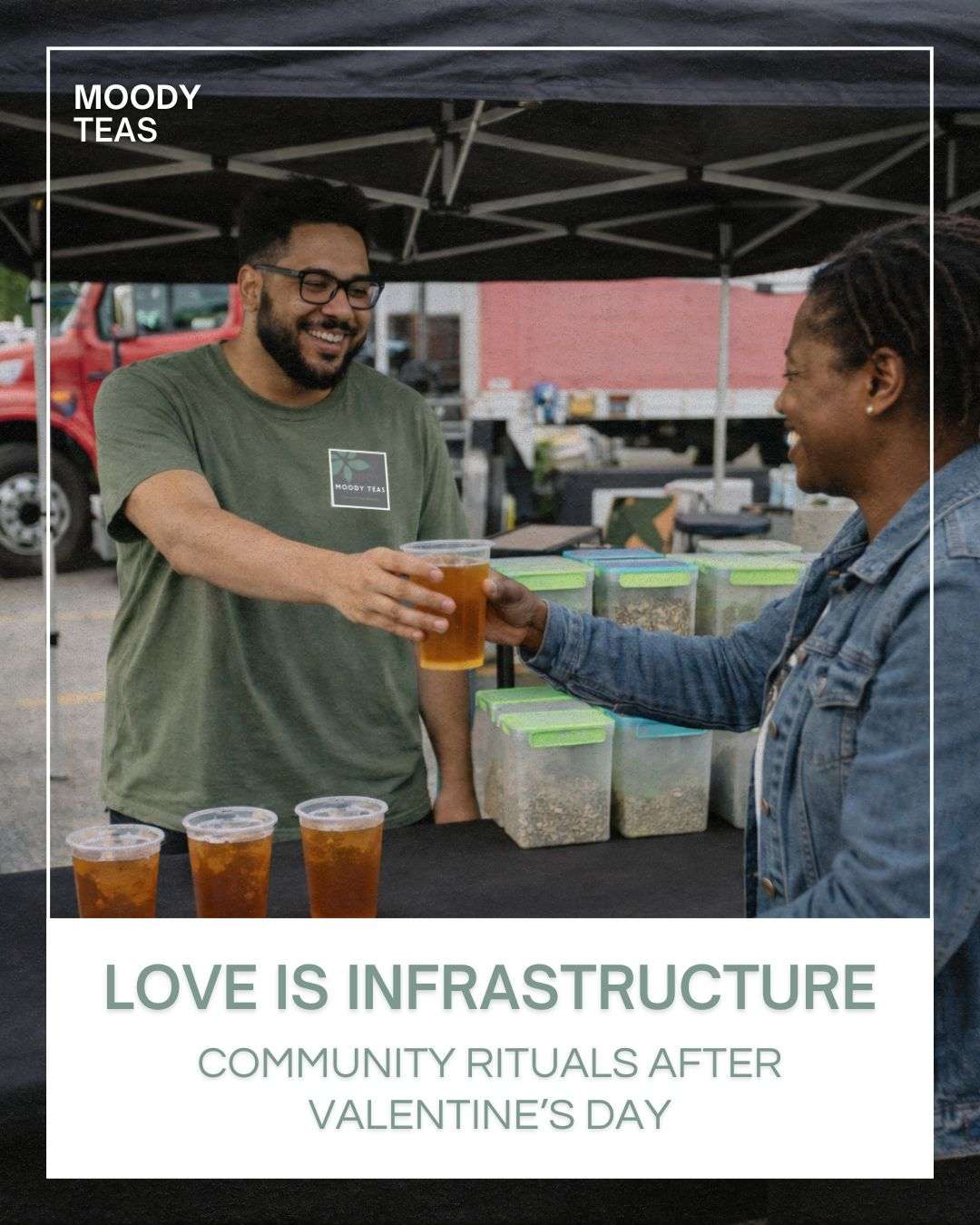
Tea will always be at the center of what we do. It brings people together and creates small moments of care in everyday life.
But care should extend beyond the individual cup.
Tea has limits.
Responsibility doesn’t.
That belief is shaping the next chapter of Moody Teas and the future of Tea for Good. We’ll share more soon about how the program works and the impact it’s designed to create.
A Question for You
We’ve been thinking about this a lot lately. Now we want to hear from you.
Do you think buying from an ethical brand is enough to create change?
Where do you think self-care falls short?
What would it mean for care to extend beyond the individual?
If you want early updates on Tea for Good and the work we’re building next, join our email list below.
You’ll get behind-the-scenes updates, community impact reports, and first access to new initiatives as they launch.
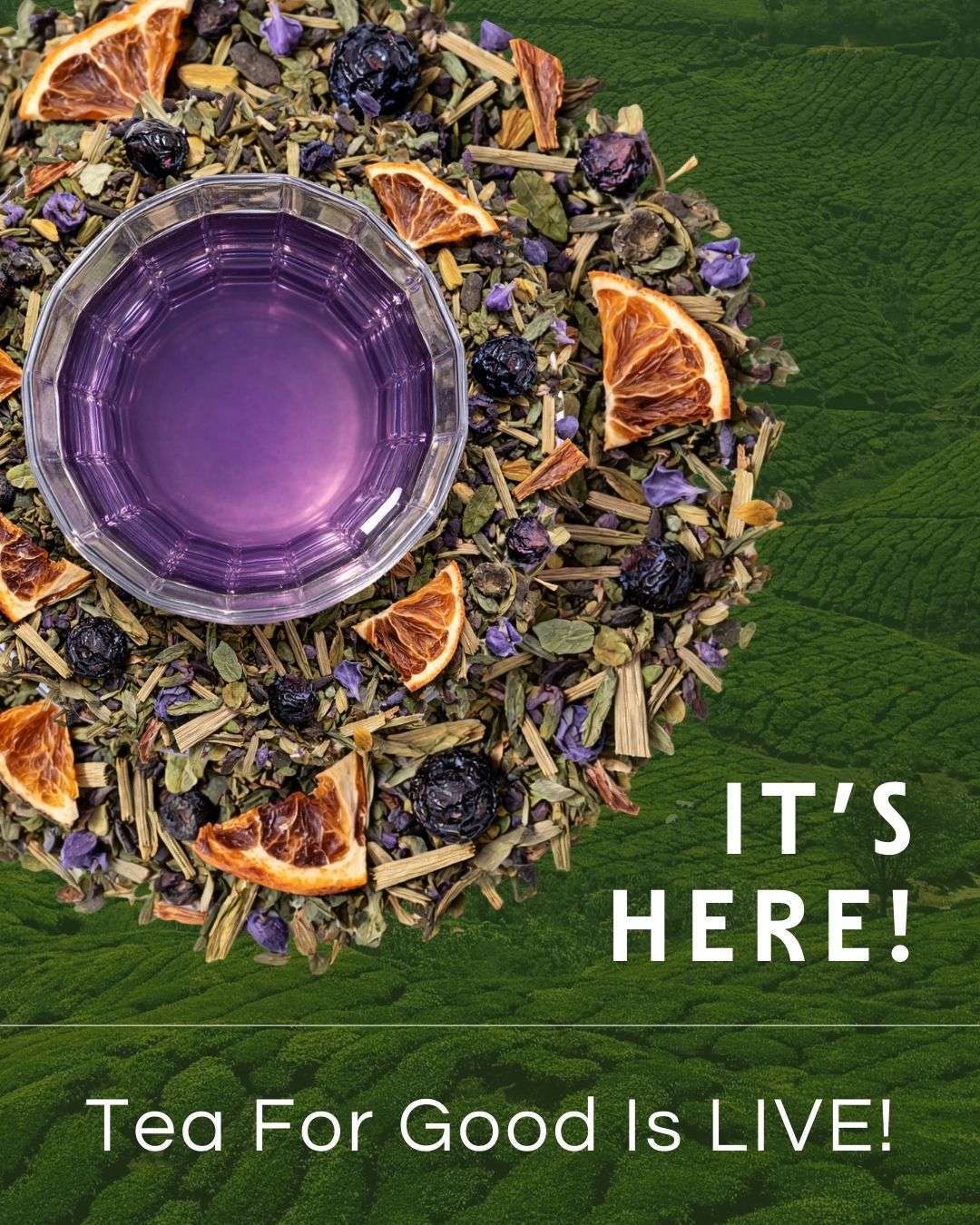
Want to support the program, but don’t want to wait until March 10th? Our OG Tea for Good blend is already here! In partnership with Peppermint, a portion of every sale of Transcendence goes to Allies for Trans Equality.