Quick one: why does pineapple show up in so many of our blends? Not just for the flavor…
What is bromelain?
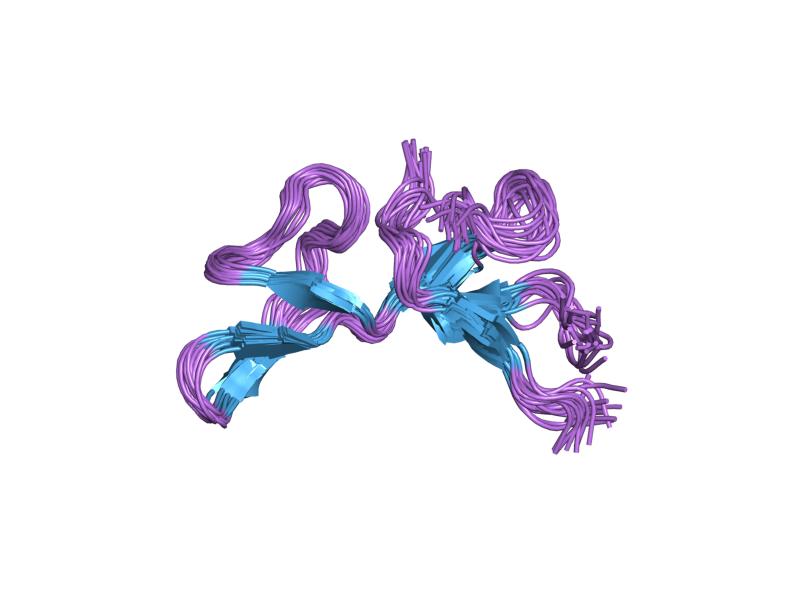
Bromelain is the enzyme responsible for pineapple’s whole personality. It’s concentrated most heavily in the stem and core, and its job is breaking proteins down into smaller pieces. That’s the same mechanism behind pineapple’s tangy bite: it’s not being coy, it’s actively working on your tongue. Eat enough of it in one sitting and you’ll feel it, that faint razor-burn sensation is bromelain doing its job on you instead of your dinner.
What does bromelain actually do?
Bromelain is traditionally used to support digestion and ease inflammation, since protein-digesting enzymes help break food down before your gut has to. It’s generally recognized as safe. It’s not FDA-approved to treat anything, and most of the research is on concentrated supplements, not the amount sitting in your afternoon cup. We’re not going to pretend otherwise.
Here’s the part most pineapple content skips: bromelain hates heat. Research on its thermal stability shows activity holds up fine below 60°C, then falls off a cliff, and by the time your water’s near boiling, most of it is gone. A cold steep holds onto more of it. That’s the actual reason we tell people to batch Jaidrate cold in the fridge instead of pouring it hot, it’s not a vibe, it’s chemistry.
None of this makes tea medicine. Moody Teas products aren’t intended to diagnose, treat, cure, or prevent disease, full stop. What we are saying: a fruit famous for flavor turns out to be doing real work too, and that’s worth knowing even if you never think about it again after this paragraph.
Also, pineapple’s nutritionally strong on its own: over 100% of your daily manganese and about a third of your daily vitamin C, in one cup. Manganese does quiet work for bone health and metabolism, and it’s a nutrient most people are low on without knowing it.
Short version: digestion support, maybe some anti-inflammatory help, and a nutrient profile that’s carrying more weight than pineapple gets credit for.
Fresh pineapple vs. tea: what actually changes
| Form | Bromelain activity | Best for |
|---|---|---|
| Fresh pineapple / cold-pressed juice | Highest | Getting the most active enzyme |
| Cold-steeped tea (e.g. Jaidrate, fridge batch) | Moderate | A daily ritual with some enzyme intact |
| Hot-steeped tea | Low | Flavor and hydration, minimal enzyme activity |
| Concentrated supplement | Highest (by dose) | Targeted digestive or anti-inflammatory use |
If you want bromelain at full strength, skip the tea and eat the fruit, or drink it cold-pressed. That’s also why pineapple ruins gelatin: same enzyme, still chewing through proteins, just doing it to your Jell-O instead of your lunch.
Tea trades some of that for something else: it doesn’t spoil like fresh fruit does, it’s a five-minute ritual instead of a cutting board, and a cold steep (like we do with Jaidrate) splits the difference instead of picking a side. Not the science-fair version of pineapple. The one you can actually keep up with.
Bromelain outside of tea
Pineapple’s enzyme has a whole life outside your cup. It’s why pineapple tenderizes meat, same protein-breakdown trick, different dinner. It shows up in topical bruise-and-swelling products, and as a standalone supplement for digestion and post-workout recovery. Tea’s the mild, low-commitment version of all that: a small amount, folded into something you were already going to drink.
Why pineapple works in almost any blend
Most fruits have a personality that clashes with certain botanicals. Pineapple doesn’t. Its brightness holds its own against hibiscus, chamomile, guayusa, and stronger herbal bases, without needing added sugar to carry it. That’s the practical reason, not just the nutritional one, it shows up across so much of our lineup.
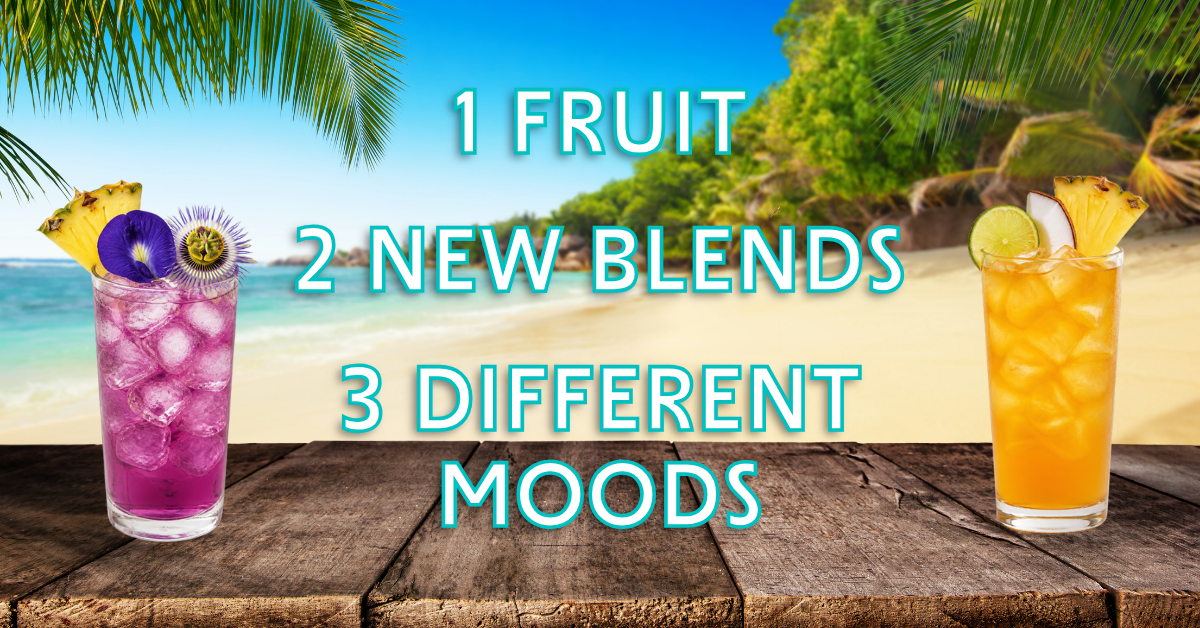
It’s also one of the only fruits we’ve found that works equally well in a stimulating blend and a sedating one. Jaidrate (hibiscus, pineapple, strawberry, orange peel, ginger) leans hydrating and grounding. Chamomile Sunset (chamomile, lavender, rosehips, pineapple) leans toward wind-down. Same fruit, opposite jobs.
Not sure which one fits you? Take the mood quiz and we’ll point you to a blend, pineapple or otherwise.
FAQ
Does pineapple tea have caffeine?
It depends on the blend, not the pineapple. Pineapple itself is caffeine-free. Jaidrate and Chamomile Sunset, both pineapple-based, are also caffeine-free.
Is bromelain safe to have daily?
The amount of bromelain in a cup of pineapple-based tea is small compared to concentrated supplements, and it’s generally recognized as safe. For most people, having it as part of a daily tea ritual is not a concern. If you’re on blood thinners or have a pineapple allergy, check with a doctor first.
What blends use pineapple?
Currently Jaidrate and Chamomile Sunset. Two more pineapple-based blends, one built for focus, one for calm, launch August 1.
Does pineapple tea help with bloating?
Possibly, in a mild way. Bromelain is traditionally associated with easing digestion, and a warm cup of any herbal tea can help on its own. But a cup of pineapple tea has far less bromelain than a supplement dose, so treat it as a gentle daily habit, not a fix for ongoing digestive issues.
What’s the best way to get bromelain: fresh pineapple, juice, or tea?
Fresh pineapple and cold-pressed juice have the most active bromelain. A cold-steeped pineapple tea holds onto more than a hot one. A concentrated supplement has the most bromelain by far, but that’s a different product with a different purpose than a daily cup of tea.
That’s the story on this one ingredient. The pineapple lineup is just about you: straight-up function and flavor, no bigger mission attached. (If you want your tea to do more, Transcendence is part of our Tea for Good line, a portion of every sale supports Advocates for Trans Equality.)
Two more pineapple blends land Saturday.