Tea Basics
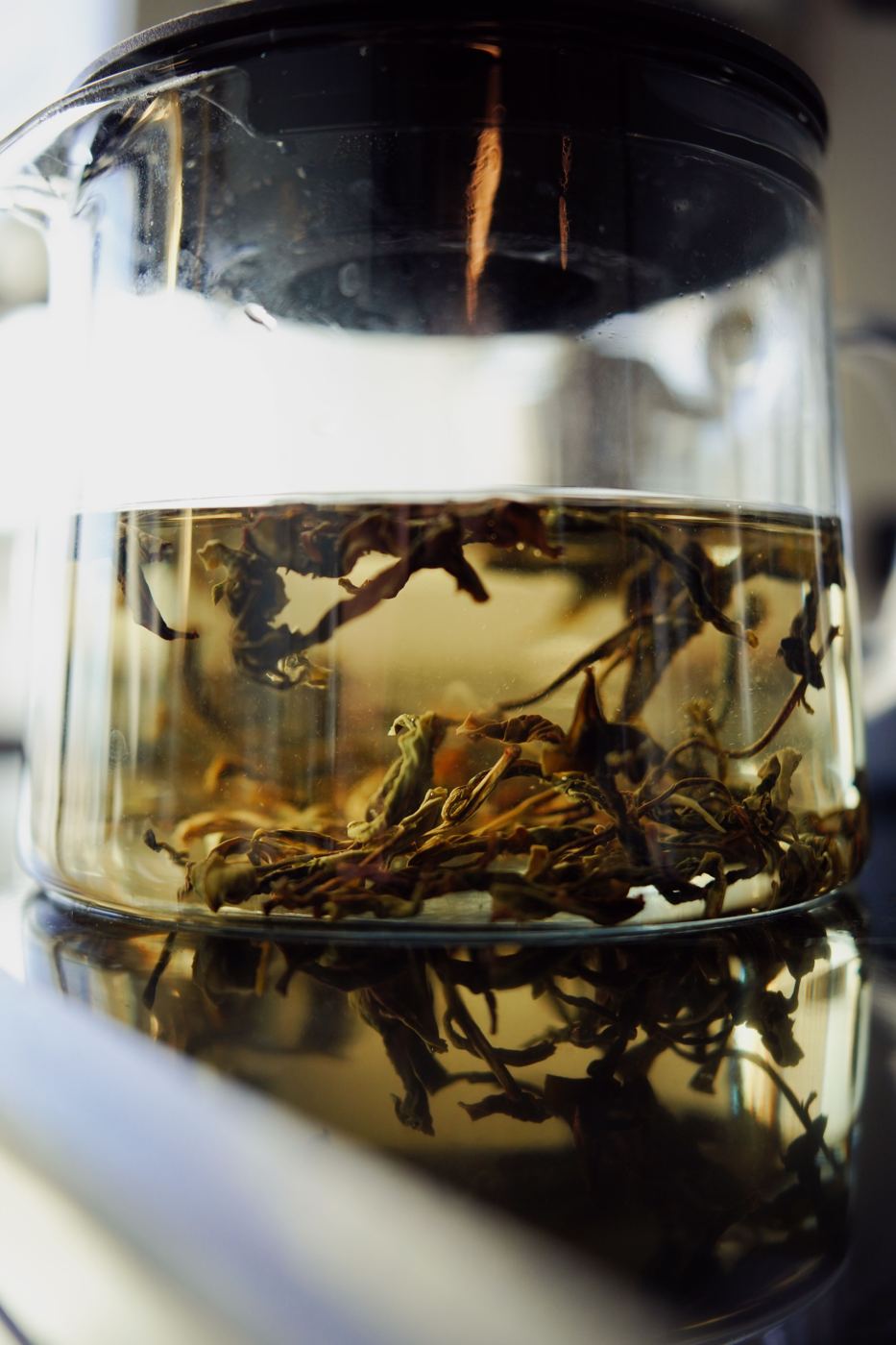
Photo: Cihan Yüce / Pexels
To steep tea is to let leaves (or a bag) sit in hot water long enough for flavor, color, and aroma to move into the liquid. It sounds simple, and it is — but steep time and water temperature are the two variables that decide whether a cup tastes bright and balanced or flat and bitter.
The word covers both the action and the result: you “steep” the tea, and the tea itself “steeps.” During that time, water pulls soluble compounds out of the leaf — polyphenols, amino acids, volatile aromatics, and caffeine — at different rates depending on heat and how long the leaf stays in contact with the water. Steep too briefly and the cup tastes thin and underdeveloped. Steep too long and the same leaf that gave a rounded flavor at four minutes can turn sharp and tannic at eight, especially with black or green tea.
Every tea type has its own steep window, which is why blend packaging and tea guides list specific times and temperatures rather than a single universal rule. Delicate teas generally want cooler water and shorter steeps; heartier or more oxidized teas can take a hotter, longer one. Getting comfortable with steep time is really the whole skill of making a good cup of tea — everything else (leaf quality, water, vessel) works through that one variable.
Getting the Steep Right
A reasonable starting point: black tea around 200°F for 3-5 minutes, green tea around 175°F for 2-3 minutes, and most herbal blends closer to boiling for 5-7 minutes, since they have no delicate leaf structure to scorch. From there, taste and adjust — steep time is a preference as much as a rule, and the “right” cup is the one that tastes right to you.
Longer steeps generally extract more caffeine along with more tannins
Most steep windows are a starting range, not a fixed rule