Care, Survival, and the Systems That Made It Necessary
If you’ve been here a while, you already know this brand doesn’t treat care, community, or values as seasonal ideas.
Black History Month matters here because Black history shapes how this company exists. It shapes how wellness is understood. It shapes why affordability, access, and honesty matter more than aesthetics.
This post isn’t a reintroduction.
It’s a grounding.
Black History Month isn’t a marketing moment.
It exists because Black history has been erased, minimized, and selectively remembered for centuries. Because Black labor and knowledge built industries that still profit today. And because what we now call “wellness” was often created as a response to exclusion, not comfort.
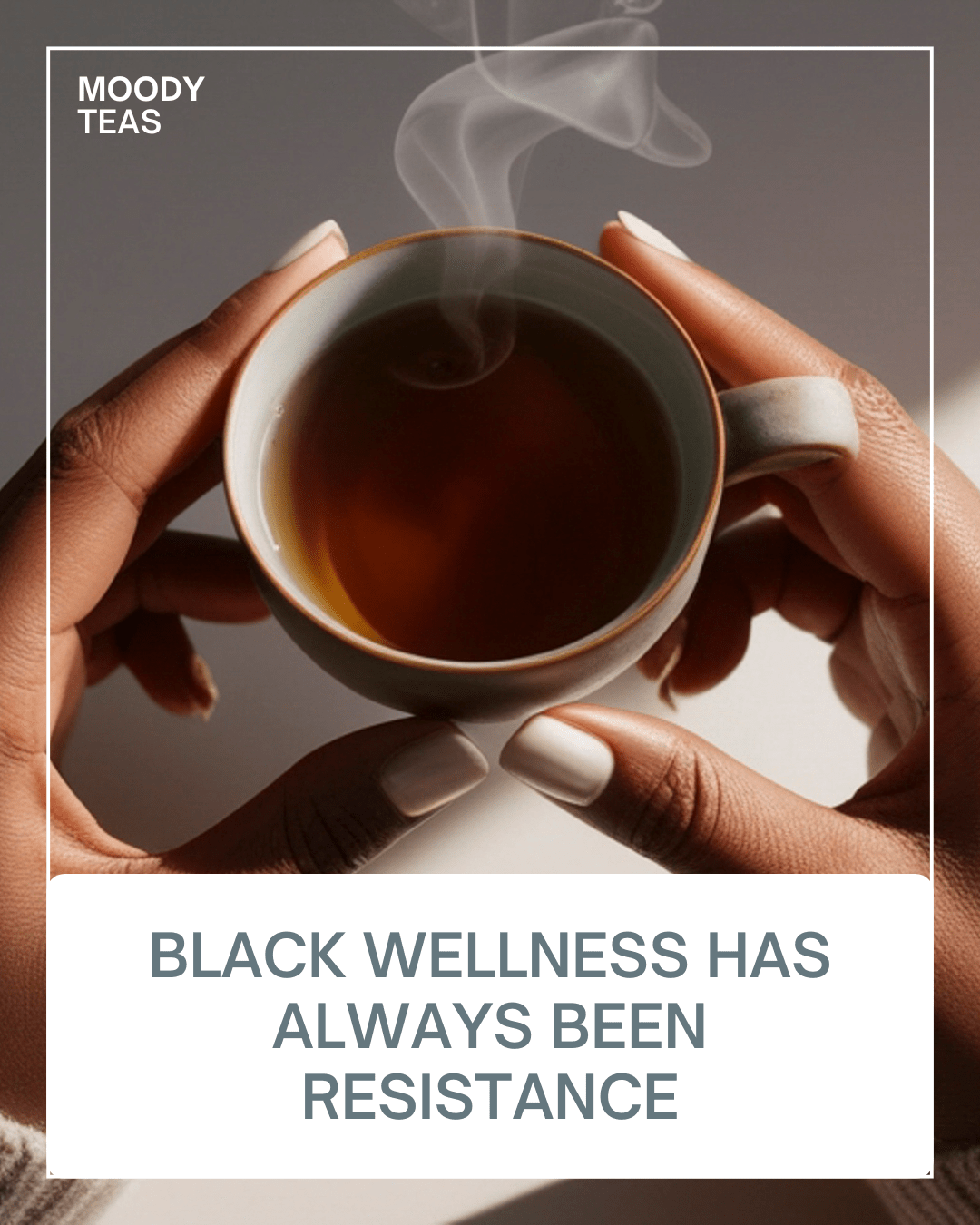
Black wellness has always been a necessary part of resistance. This resistance has taken many forms, shaped by place, access, and the specific conditions Black communities faced. From herbal knowledge passed down under enslavement to community-based care when formal medicine was inaccessible, wellness was never optional.
Tea is part of that story. Historically. Documentedly.
Tea didn’t arrive in our cups by accident. It moved through empire, labor, and resistance.
Tea, Empire, and the Cost of Global Comfort
Tea became a global staple through colonial trade systems rooted in exploitation.

The British East India Company was not just a business. It functioned as a governing power, controlling land, labor, and trade across Asia while extracting enormous wealth through commodities like tea.
In the American colonies, the Tea Act of 1773 granted that company exclusive rights to sell tea, undercutting local merchants and consolidating power. That move directly contributed to the Boston Tea Party and escalating resistance against British rule.
What’s often left out is the broader system behind it all. Colonial economies depended on racialized labor and land dispossession to sustain global supply chains. European powers profited. Colonized people paid the cost.
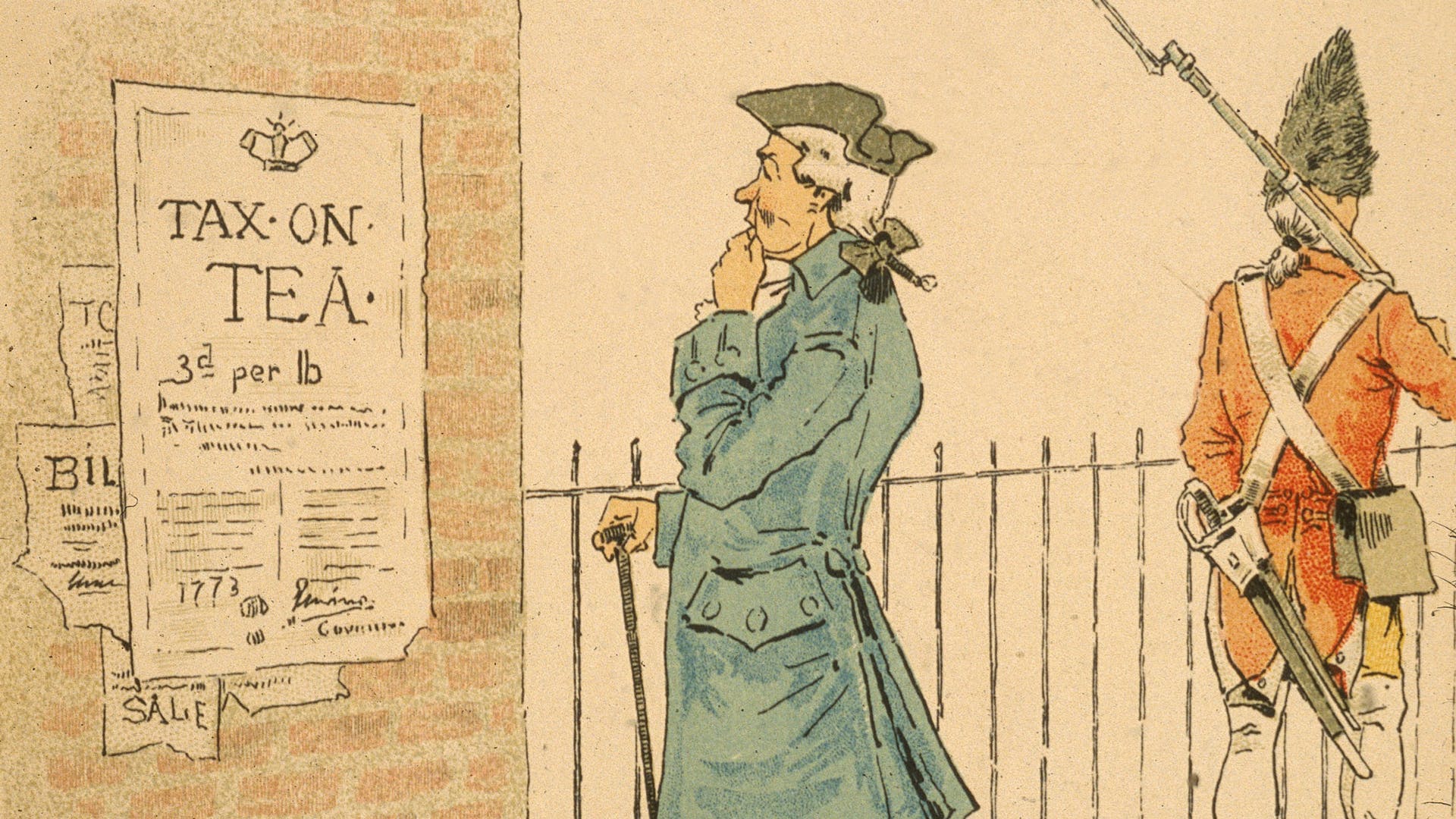
Historical Context
• Tea spread globally through colonial monopolies
• Wealth accumulated in Europe, not where tea was grown
• Labor and land were systematically exploited
Black Herbal Knowledge Was Survival, Not Lifestyle

Long before “wellness” became an industry, Black communities practiced herbal medicine out of necessity.
Enslaved Africans brought deep botanical and medicinal knowledge across the Atlantic. In the Americas, that knowledge merged with Indigenous plant traditions and became community-based healthcare when access to formal medicine was denied or dangerous.
Black healers served as herbalists, midwives, and caretakers under constant risk. One documented example is Jane Minor, an enslaved woman whose medical care during a yellow fever outbreak led to her emancipation.
These practices weren’t aesthetic rituals. They were survival infrastructure.
Wellness wasn’t a luxury. It was how people stayed alive.
Stress, Health, and Structural Reality
Modern research confirms what Black communities have always known. The conditions that made Black wellness necessary didn’t disappear. They changed form.
Chronic stress caused by racism, discrimination, and economic inequality has measurable effects on health. Long-term exposure to stress contributes to inflammation, cardiovascular disease, sleep disruption, and higher mortality rates.
CDC data shows Black Americans experience higher rates of hypertension than any other racial group in the United States, driven by structural conditions rather than individual behavior.
Research published by the National Institutes of Health links chronic stress and inflammation to a significant portion of the Black–white mortality gap.
Health Data Snapshot
• Higher rates of hypertension among Black adults
• Chronic stress contributes to inflammation-related illness
• Health disparities correlate with access, not effort
Sources: CDC, NIH
Why This Shapes How Moody Teas Exists
This company wasn’t built around selling escape or aesthetic calm.
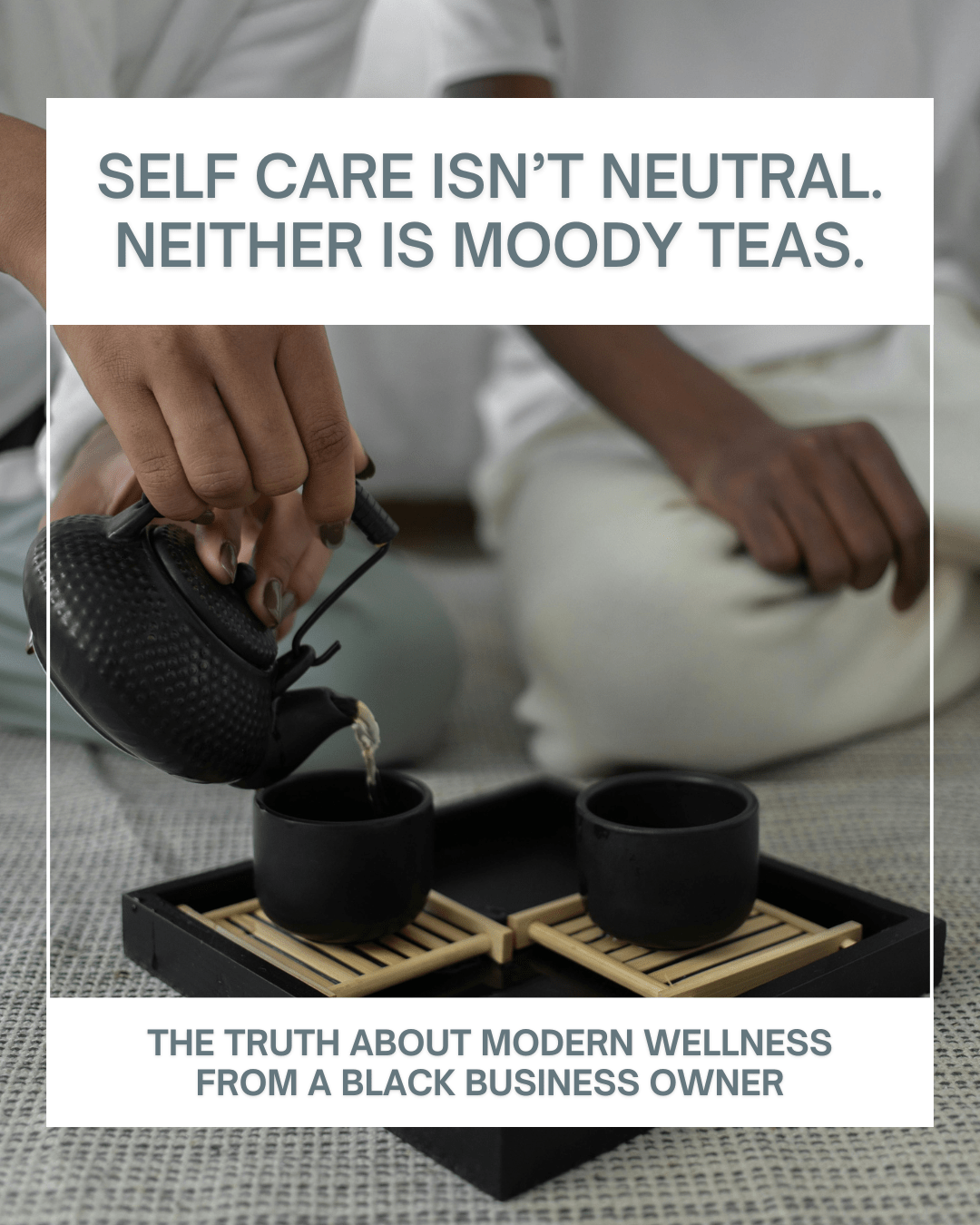
It was built by Black leadership who understands wellness not as a trend, but as survival.
It was built around support you can return to while still living inside a hard world.
That’s why:
- Affordability matters more than exclusivity
- Access matters more than luxury framing
- Mood and function matter more than status
Those priorities come from Black traditions of collective care, resilience, and making do when systems fail.
What We’re Committing to This Month
Black History Month isn’t a content theme that ends on March 1.
This month isn’t about selling wellness. It’s about telling the truth about where it comes from.
Throughout February, the focus will be on:
- Historically accurate conversations about tea and wellness
- Centering Black voices and lived experience
- Naming systems instead of hiding behind vague language
- Refusing performative solidarity
No hollow statements. No seasonal allyship.
Wellness is a practice. Not a post.
What You Can Do Beyond Scrolling
This month isn’t about passive consumption.
A few real actions:
- Support Black-owned businesses consistently, not just in February
- Learn where your wellness rituals come from
- Question who profits from the products you buy
- Share history and resources, not just sentiments
Care requires participation.
Moving Forward With Intention
Black history isn’t past tense.
It’s ongoing. It shapes how people survive, organize, and care for one another right now.
Tea didn’t appear out of nowhere.
Wellness didn’t emerge without context.
And neutrality has never been real.
This month, the choice is clarity over comfort.
And that choice doesn’t end here.