Tea Growing Region
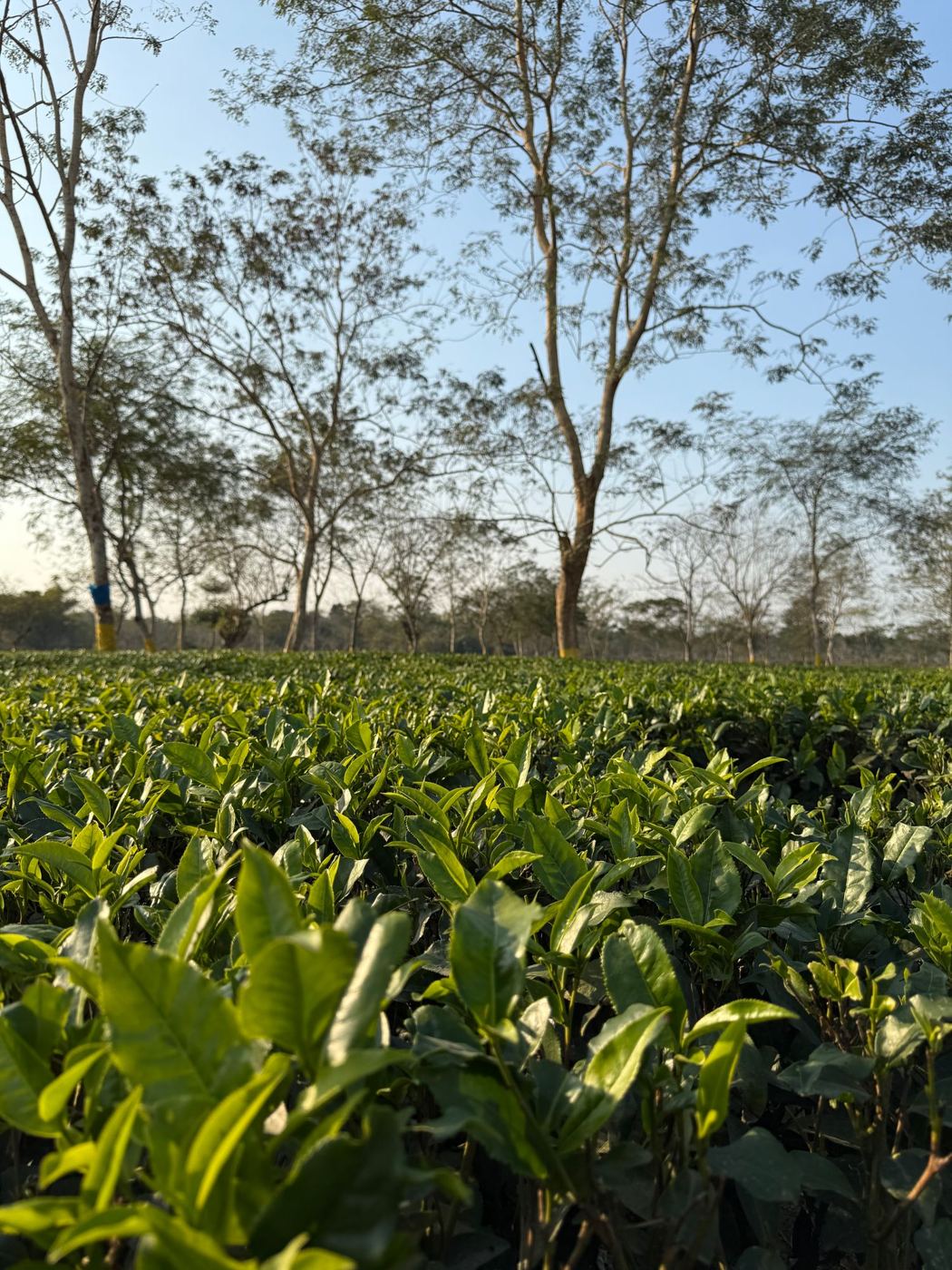
Photo: Mohit Gupta / Pexels
India is one of the world’s largest tea producers, and its reputation rests almost entirely on black tea, grown across a handful of distinct regions that each taste nothing alike.
Assam, in the northeast near the Brahmaputra River, is India’s largest growing region by volume and the source of the bold, malty black tea most people picture when they think “Indian tea.” Darjeeling, up in the foothills of the Himalayas in West Bengal, grows at much higher elevation, which slows the plant down and produces a lighter, more floral tea with a muscatel character collectors prize. Nilgiri, in the mountains of South India, rounds out the country’s major regions with a brisk, fragrant black tea that’s widely used in blends.
Tea cultivation in India dates to the British colonial period of the 1830s, when the East India Company began commercial planting in Assam specifically to compete with China’s monopoly on tea exports. That colonial history is why India’s tea industry is still organized around large estates in many regions, a different model than the smallholder cooperatives common in East Africa.
One country, several climates
Because Assam sits in humid lowlands and Darjeeling sits in cool mountain air, “Indian tea” isn’t really one flavor at all — it’s a range that spans malty and full-bodied at one end to light and delicate at the other, all from the same plant grown under very different conditions.
Darjeeling grows at high Himalayan elevation
Commercial planting began in the 1830s