TEA TRADITION
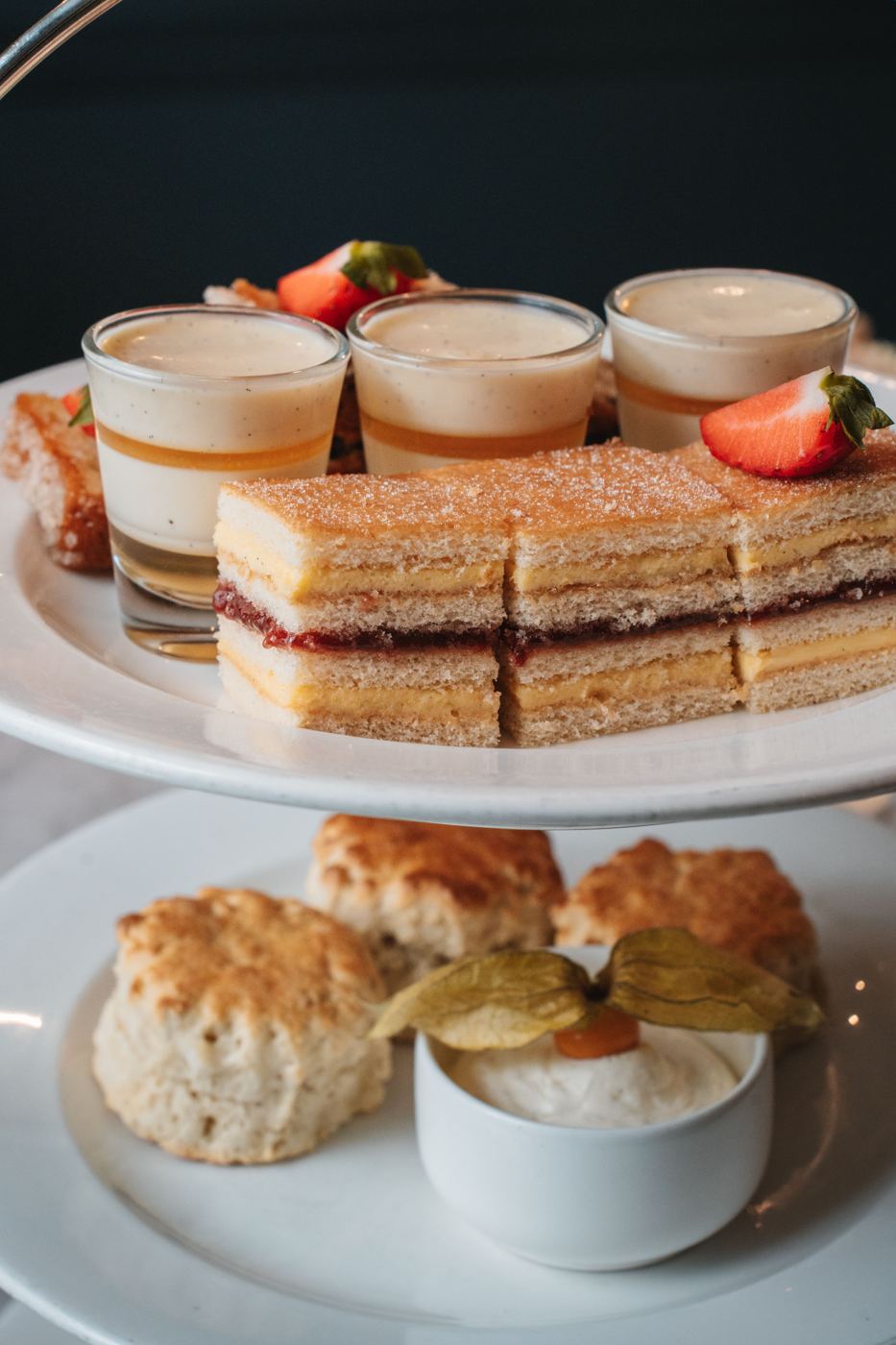
Photo: Clement Proust / Pexels
High tea is one of the most commonly misunderstood terms in tea culture — many people use it to mean an elegant, tiered afternoon tea, but historically it described a heartier, more working-class meal.
The name comes from where it was eaten: at a high dining table, after a full day’s work, rather than on low, comfortable chairs and side tables the way afternoon tea was served among the leisured upper classes. High tea was taken in the early evening, around 5 or 6pm, and functioned as a real meal — meat, eggs, cheese, bread and butter, and pickles alongside a strong pot of tea — meant to satisfy people who’d been working since morning and wouldn’t be eating a separate late dinner.
So the common assumption runs backward: high tea wasn’t the fancier version of afternoon tea, it was the plainer, more substantial one. Afternoon tea was about delicate finger food and social display in the middle of the day; high tea was about feeding hungry people after work.
Why the Confusion Persists
Modern hotels and tearooms have blurred the line further by marketing elaborate tiered tea services as “high tea” because it sounds more formal than “afternoon tea” — even though historically the opposite was true. If you’re hosting and want the real high-tea experience, lean into simple, hearty food rather than dainty pastries.
Named for the high dining table, not formality
Often confused with afternoon tea today