
TEA TRADITION
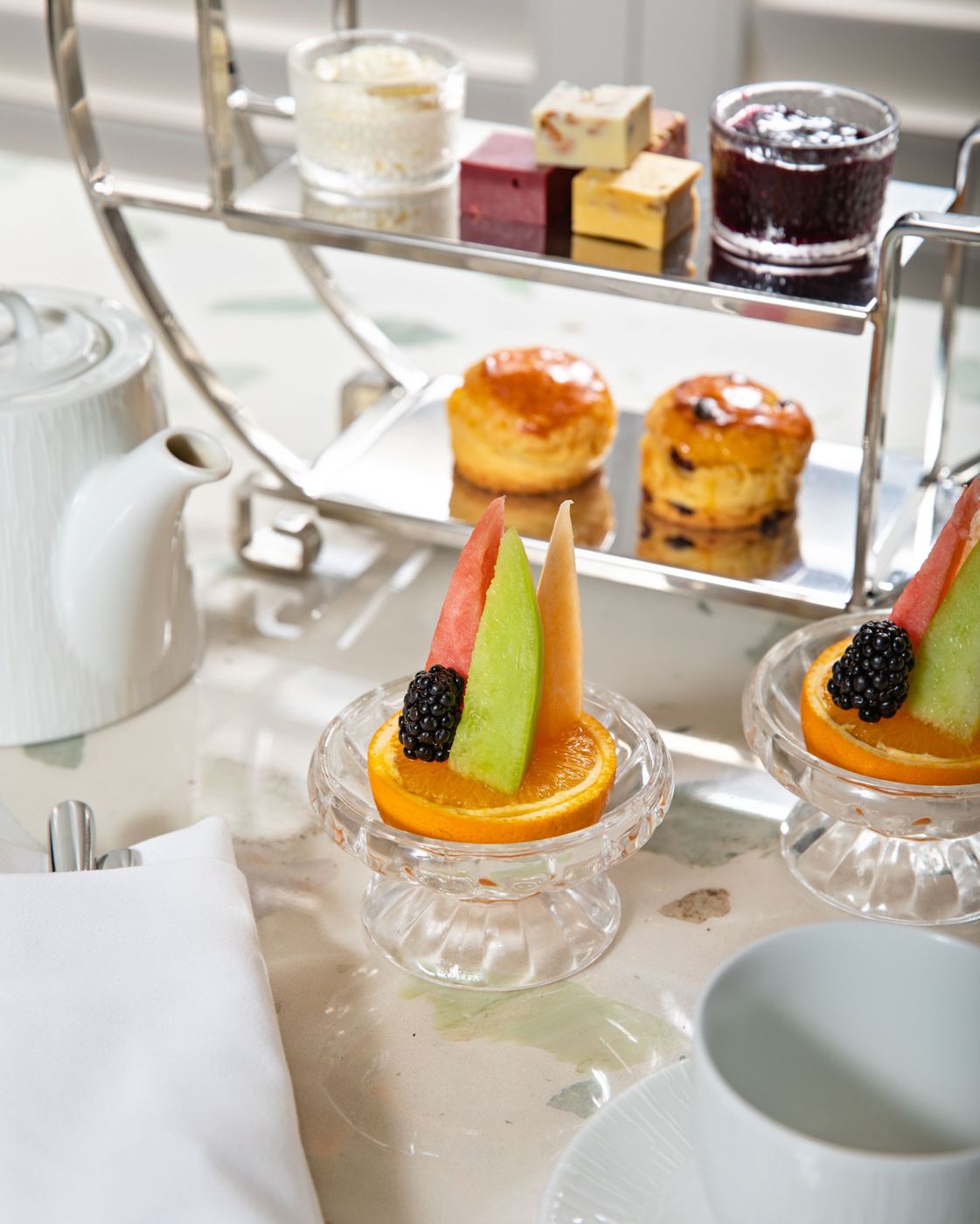
Photo: change c.c / Pexels
Afternoon tea is the light, elegant British meal served between lunch and dinner — a spread of finger sandwiches, scones, and pastries built around a pot of tea, traditionally taken around 3 to 5pm.
Credit for popularizing it usually goes to Anna, 7th Duchess of Bedford, who in the 1840s reportedly grew hungry in the long gap between a midday meal and a fashionably late dinner and began requesting tea and light bites in her room. The habit caught on among her social circle, and afternoon tea gradually evolved into a full social occasion — invitations, good china, and a proper spread became part of the ritual.
The classic service follows a set order, usually presented on a tiered stand: savory finger sandwiches on the bottom tier, scones with clotted cream and jam in the middle, and small cakes or pastries on top, eaten in that sequence from savory to sweet.
How It’s Different from High Tea
Despite the common mix-up, afternoon tea and high tea aren’t the same thing. Afternoon tea is the delicate, upper-class version described above; high tea, historically, was a heartier working-class evening meal. If you’re planning to serve a proper afternoon tea at home, a cream tea — just scones, cream, and jam — makes a simpler stand-in when a full tiered spread is more than you need.
Served roughly 3-5pm
Tiered stand: sandwiches, scones, pastries