Tea Grading
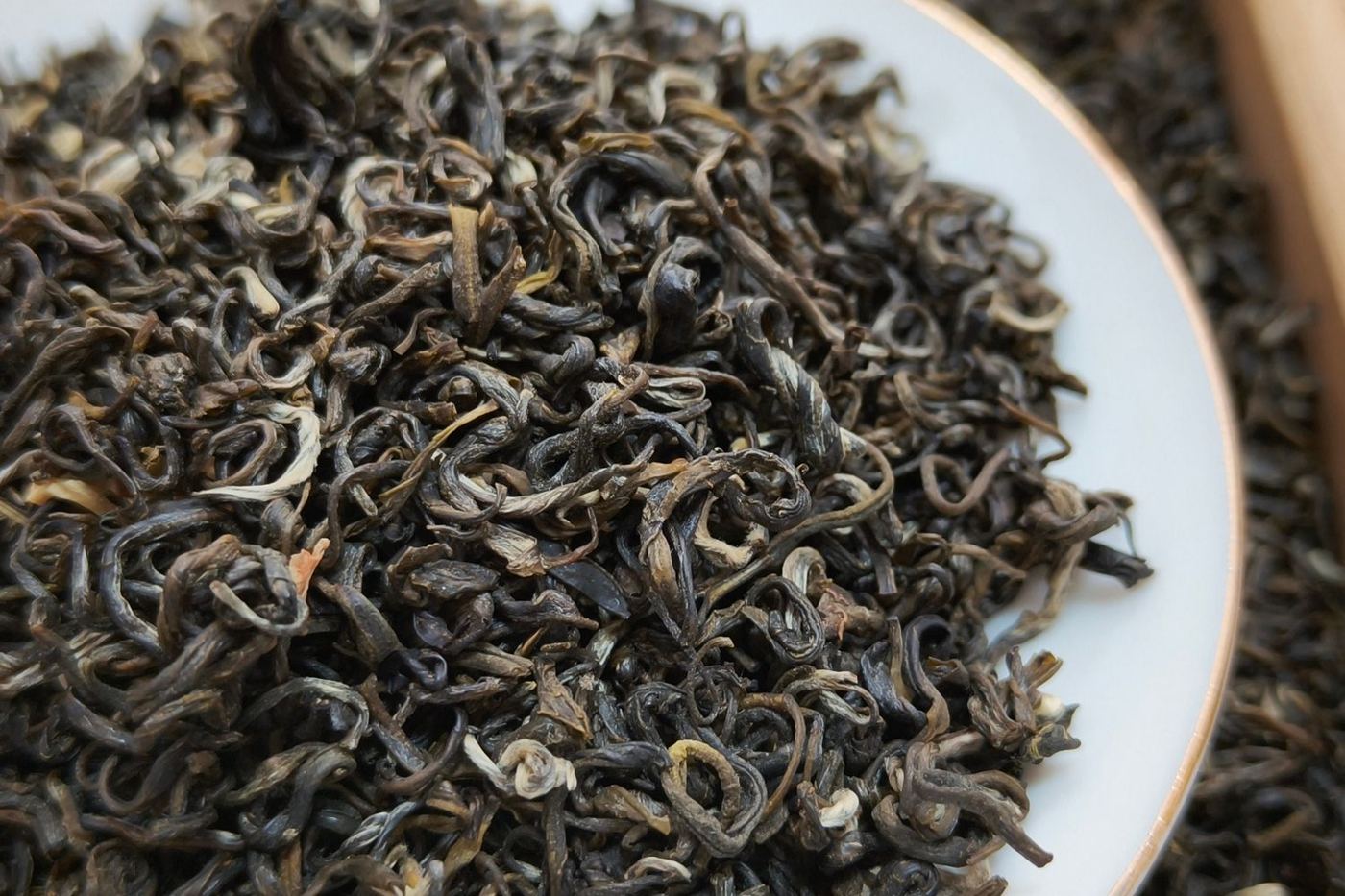
Photo: Pexels
“Premium grade” is a marketing term brands use to signal a higher-quality tea — but unlike orthodox leaf grades such as OP or FOP, it isn’t a standardized industry classification with an official body defining what qualifies.
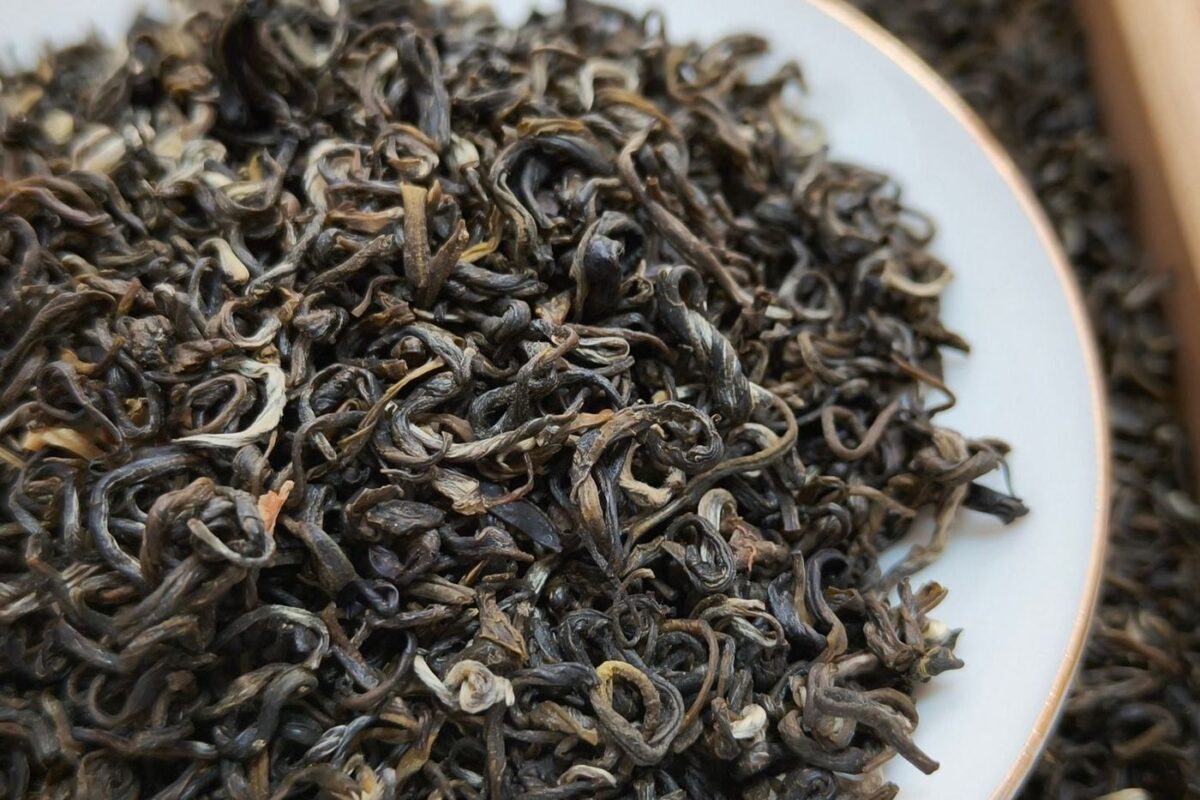
That’s worth knowing before paying extra for the label alone. The orthodox grading system (OP, BOP, FOP, and their variants) is at least consistent — it describes real, checkable things: leaf size, whether it’s whole or broken, how much tip content it has. “Premium” carries no such guarantee. One brand’s premium tea might mean whole leaves and careful sourcing; another’s might mean nothing more than better packaging on the same base tea. There’s no regulator checking the claim either way.
That doesn’t make the term meaningless — it just means the label alone can’t be trusted the way a real grade can. What actually separates a genuinely better tea is checkable: whole vs. broken leaf, harvest freshness, single-origin sourcing versus a generic blend, and how the tea actually tastes and smells. Moody Teas doesn’t rely on “premium” as a selling point on its own — where a blend uses higher-grade tea or single-origin leaf, that’s stated specifically rather than left to an unregulated label to imply it.