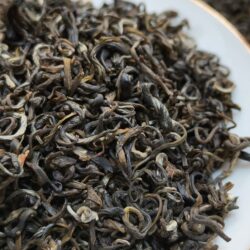
Fermented Dark Tea
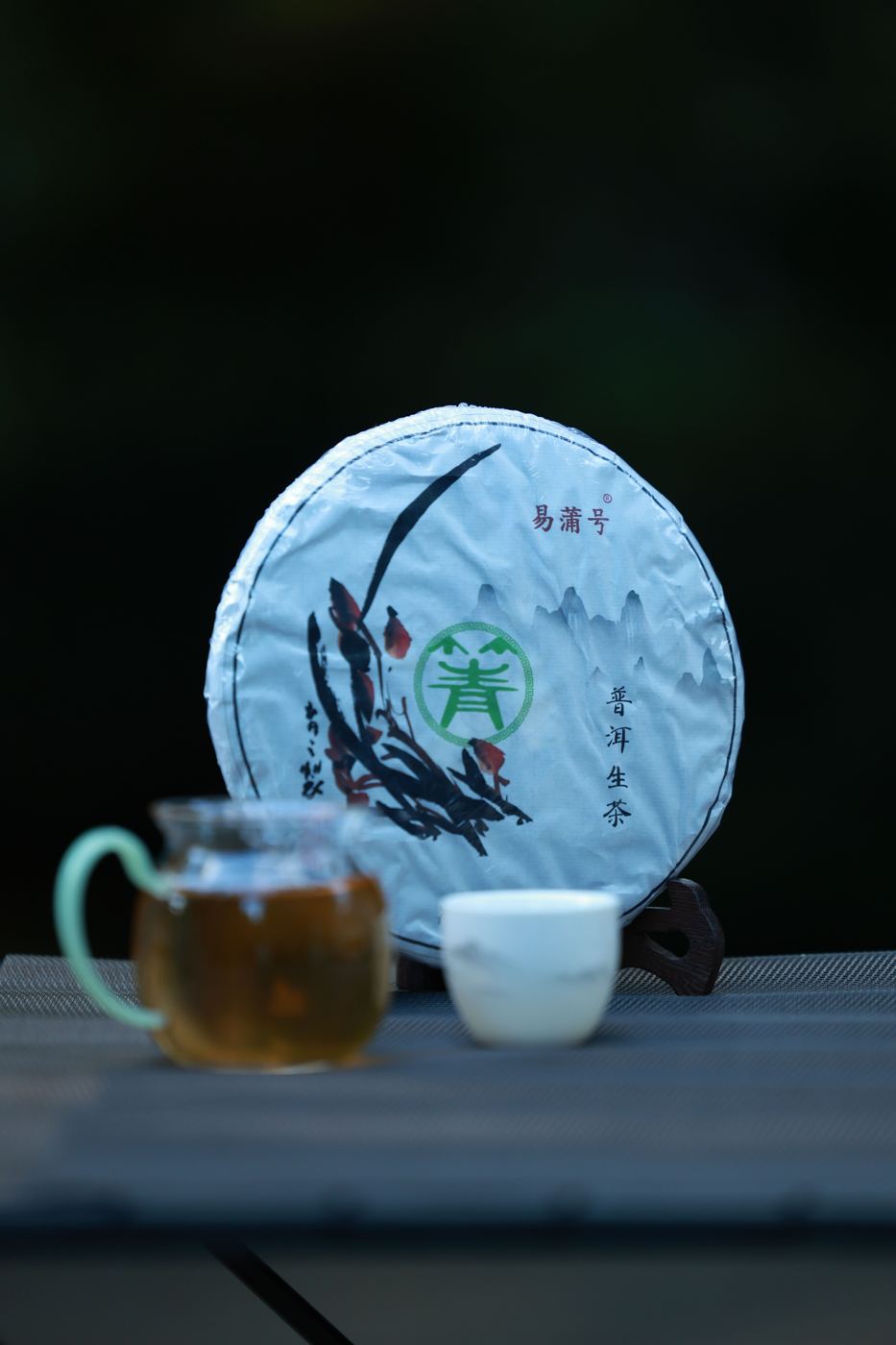
Photo: Andy Lee / Pexels
Pu-erh is a fermented tea from Yunnan province in southwestern China, made from a large-leaf varietal of the tea plant and aged rather than sold fresh. Unlike most teas, which are prized for freshness, pu-erh is often valued more the older it gets, similar to wine or aged cheese.
There are two main styles. Sheng, or “raw” pu-erh, is minimally processed and left to ferment slowly over years through natural microbial activity. Shou, or “ripe” pu-erh, uses a faster, controlled fermentation process developed in the 1970s to mimic the flavor of long-aged sheng in a matter of months rather than years. The tea is typically pressed into cakes, bricks, or other compressed shapes for aging and storage, which is why pu-erh is so often pictured as a disc rather than loose leaf.
Because fermentation is central to how pu-erh develops, its flavor can range from bright and slightly sharp when young (sheng) to deep, earthy, and mellow when aged or in its “ripe” form (shou).
How to Steep It
Pu-erh is traditionally steeped gongfu-style: a small amount of tea, close to boiling water, and several short, back-to-back infusions rather than one long steep. A quick rinse of the leaves with hot water before the first proper steep is common practice, meant to rinse dust from the compressed cake and “open” the leaves. Pu-erh contains caffeine like other true teas from Camellia sinensis, and is sometimes described in Chinese tea culture as gentler on the stomach than green tea, though this is a traditional belief rather than an established clinical finding.
Sheng (raw) or Shou (ripe) styles
Often aged for years, pressed into cakes