Tea Growing Region

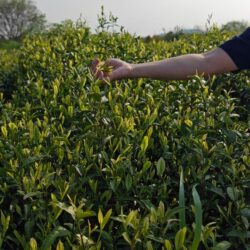
Photo: German Suarez / Pexels
South America isn’t a Camellia sinensis region at all — instead, it’s home to two of the most widely used caffeinated tea alternatives in the world, yerba mate and guayusa, both brewed from the leaves of native holly relatives.
Yerba mate comes from Ilex paraguariensis, a shrub grown across Argentina, Paraguay, Uruguay, and southern Brazil. Misiones, in northeastern Argentina, is the country’s largest producing province, growing the leaf in the humid subtropical climate that borders Paraguay and Brazil. Drinking mate is a daily social ritual across the region, traditionally shared from a hollowed gourd and sipped through a metal straw called a bombilla, passed from person to person in a single sitting.
Guayusa comes from a related but distinct plant, Ilex guayusa, native to the Ecuadorian Amazon. It’s been used for generations by Indigenous communities in the region, including as a traditional early-morning drink meant to sharpen focus before the day’s work, long before it reached wider commercial attention.
Two plants, one family
Yerba mate and guayusa aren’t the same plant, but they are close relatives, both hollies in the genus Ilex, and both deliver caffeine along with a grassy, herbal character that’s distinct from true tea. That shared botany is part of why they’re often grouped together as South America’s answer to Asia’s tea plant.
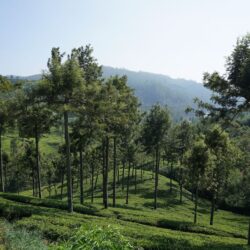
Misiones, Argentina is a major yerba mate region
Guayusa is native to the Ecuadorian Amazon