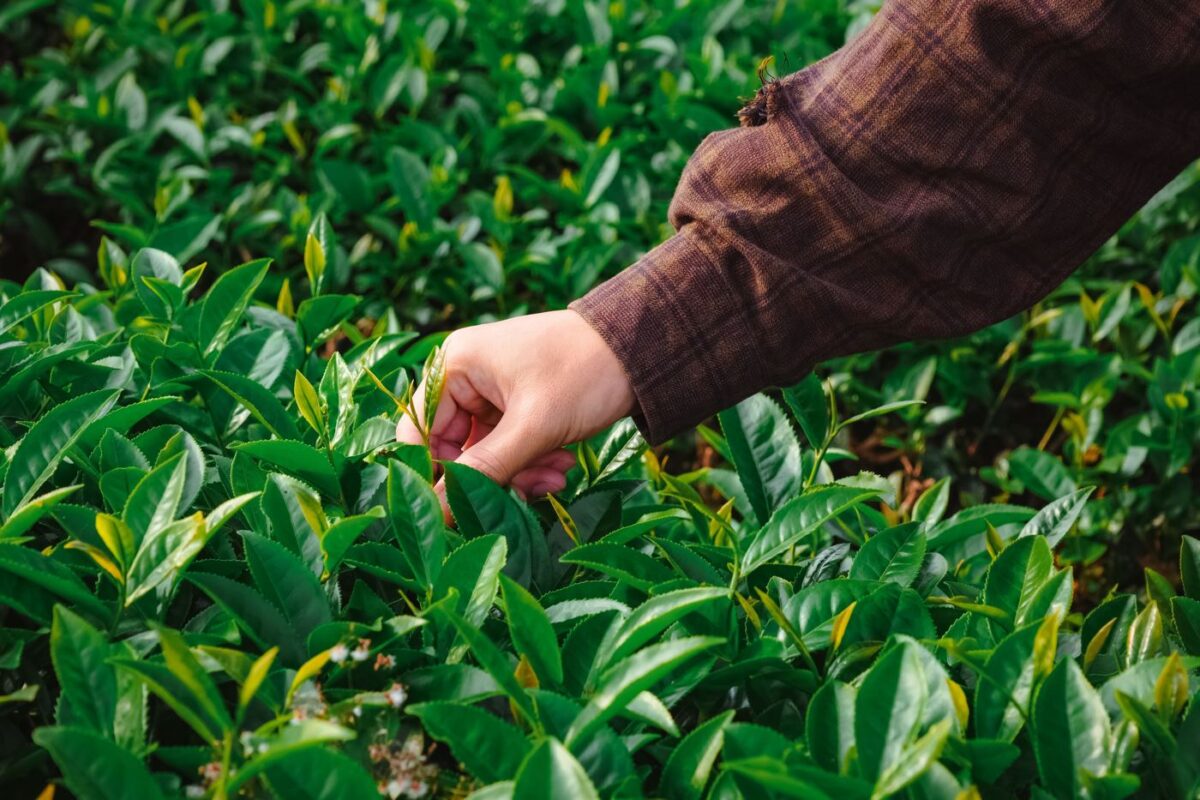
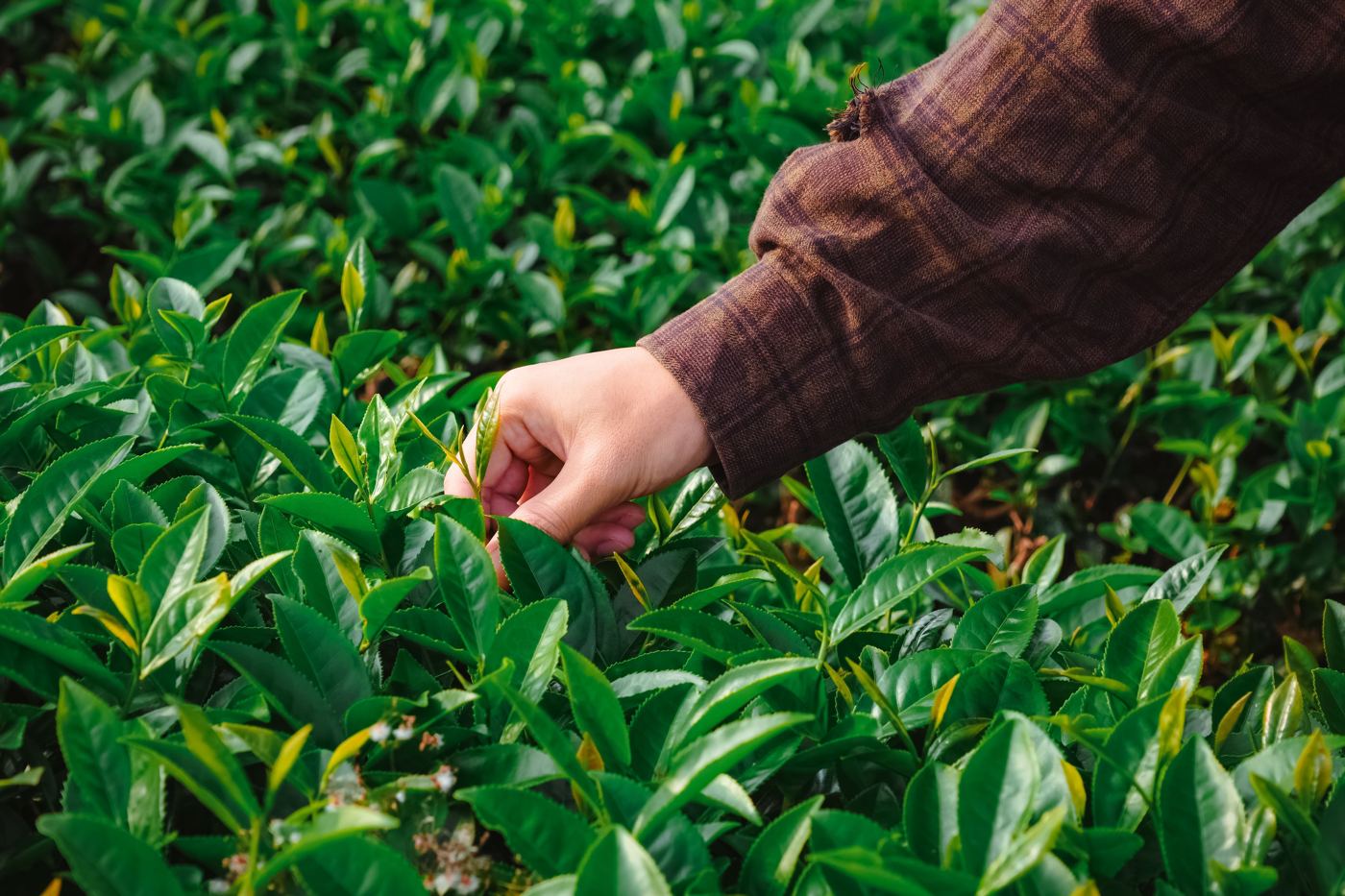
Camellia sinensis is the one plant behind every real tea, full stop. White, green, oolong, black, pu-erh: all of it comes from this same evergreen shrub. Any “tea” that isn’t from this plant is, technically, something else.
What separates those categories isn’t a different plant, it’s what happens to this one plant’s leaf after picking. Oxidation level, processing method, and growing conditions do the rest of the work. That’s also the real dividing line between actual tea and herbal tea: an herbal blend made from chamomile, rooibos, or peppermint isn’t tea in the technical sense at all, since none of those plants are Camellia sinensis.
Two main subspecies
Camellia sinensis splits into two major varietals: sinensis, generally smaller-leafed and suited to cooler climates like China and parts of Japan, and assamica, larger-leafed and native to warmer regions like Assam in India. Each brings its own baseline character to a tea before terroir or processing ever enter the picture, which is why a China-varietal green tea and an Assam-varietal black tea start from genuinely different genetic material, not just a different treatment of identical leaf.