Tea Growing Region
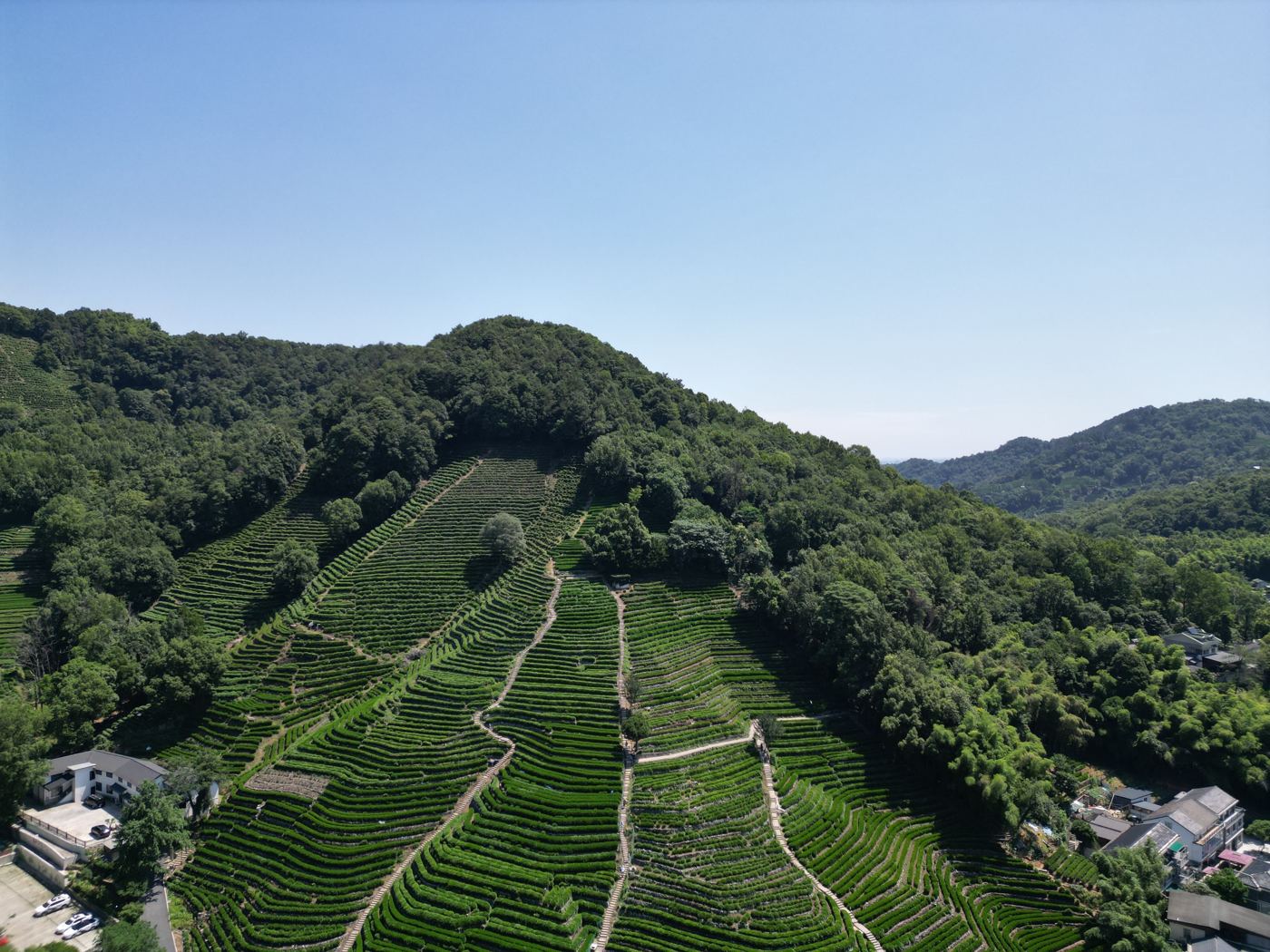
Photo: Amber Peng / Pexels
China is both the birthplace of tea and still its most diverse producer, growing green, black, oolong, white, and pu-erh tea across thousands of years of continuous cultivation. No other country makes every major tea category at serious commercial scale.
Tea’s origin story is tied specifically to China: legend credits Emperor Shen Nong with discovering it around 2737 BCE when tea leaves are said to have blown into his pot of boiling water. That’s folklore rather than verified history, but archaeological and written evidence does place tea drinking in China back at least 1,500 to 2,000 years, making it the oldest continuously documented tea culture in the world.
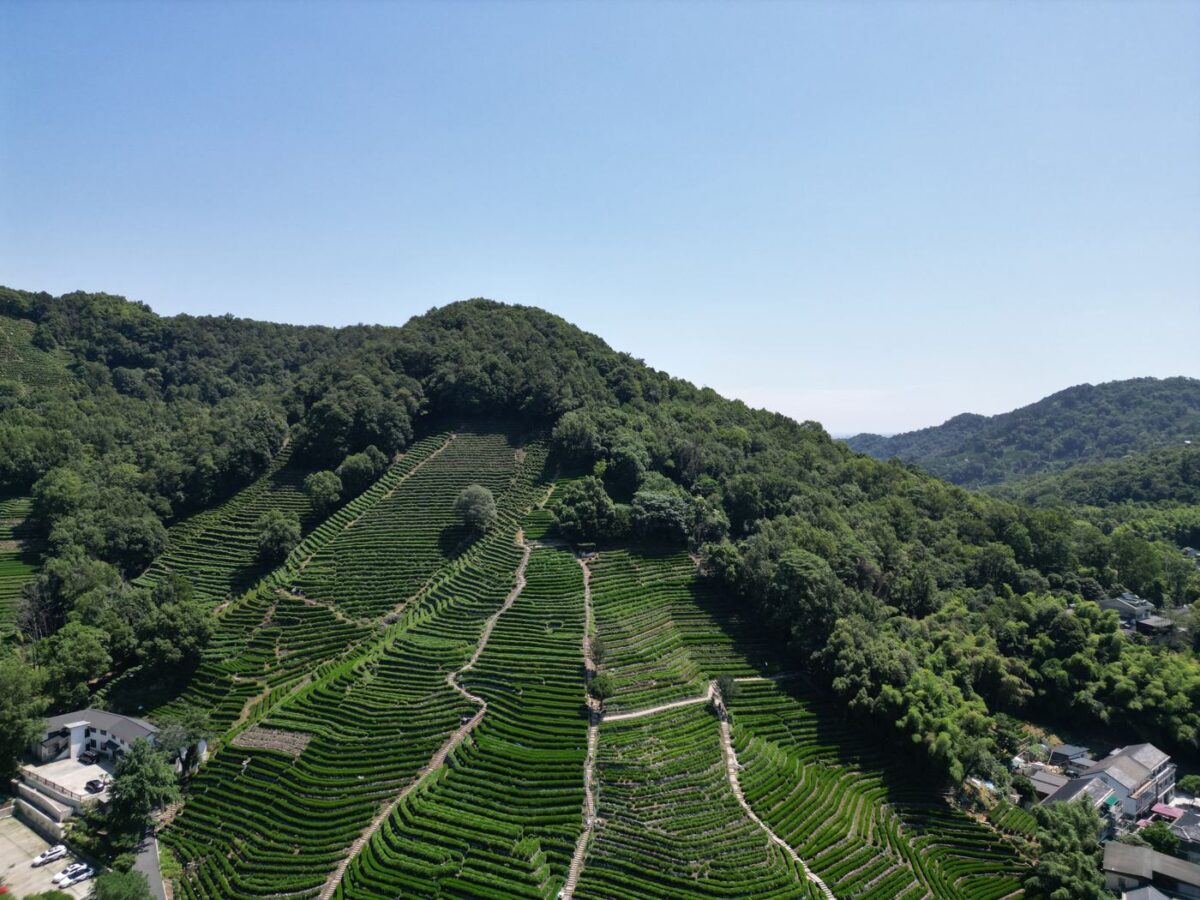
Growing regions vary widely by province, and each tends to produce a different signature style. Fujian is known for oolong and white tea; Yunnan is the birthplace of pu-erh, a tea that’s deliberately aged rather than drunk fresh; and Zhejiang, especially the hills around Hangzhou, produces Longjing (Dragon Well), one of China’s most famous green teas.
A tradition, not a trend
Chinese tea production still leans heavily on hand craftsmanship, even at commercial scale — hand-picking, hand-firing, and hand-rolling remain common for higher grades of leaf. Some of the country’s most prized teas, including certain Longjing harvests and aged pu-erh cakes, are valued specifically for the skill and reputation of who made them, closer to a signed piece of craft than an anonymous commodity crop.
Grows every major tea category
Yunnan is the birthplace of pu-erh