
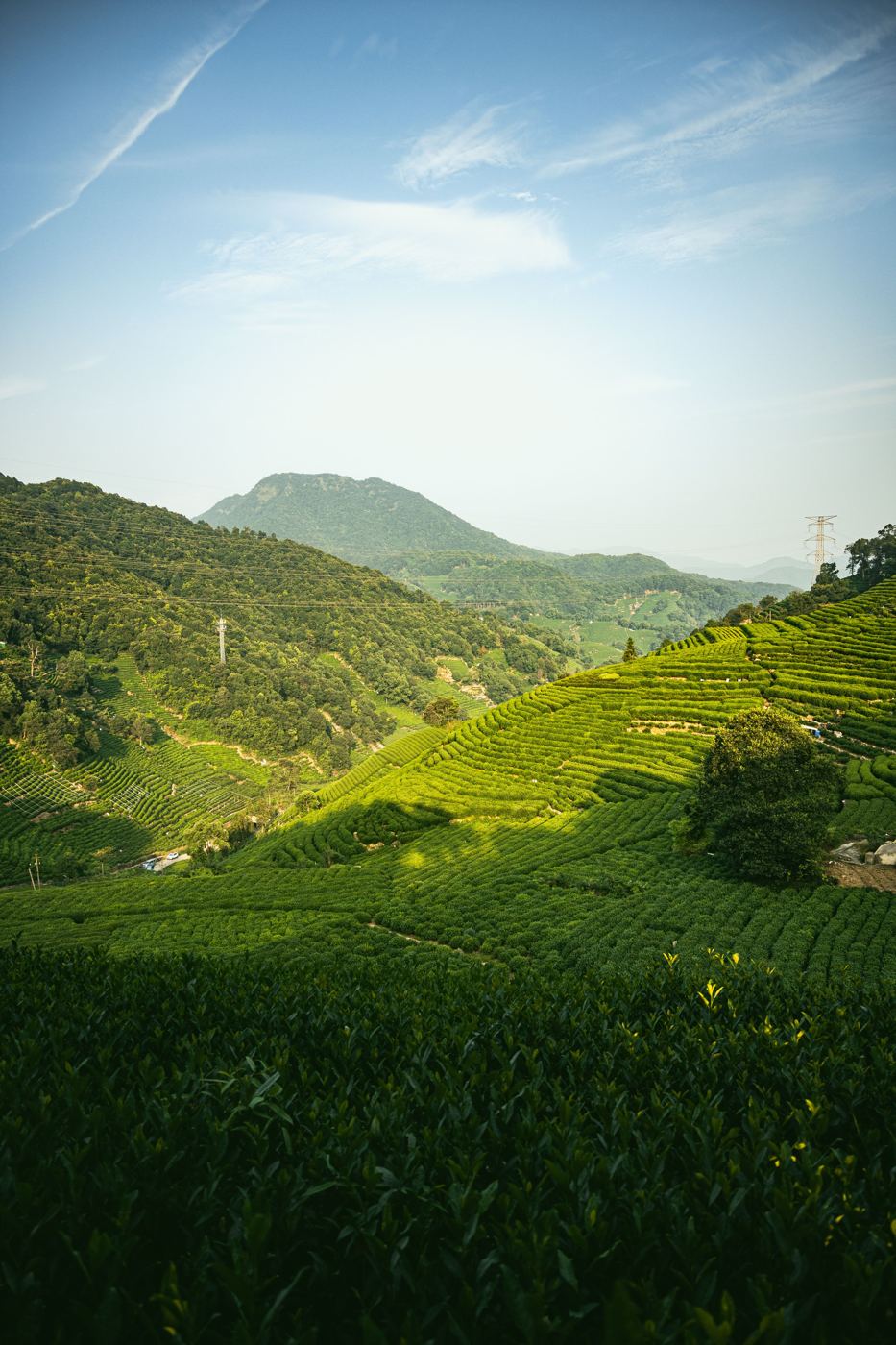
Bohea is the old English rendering of “Wuyi,” the mountain range in northern Fujian, China, and by extension the 18th-century Western name for the black tea grown there.
The name entered English via the Hokkien pronunciation of Wuyi, “Bú-î,” and the Oxford English Dictionary traces its use in Britain to the early 1700s. Bohea was one of the first teas imported into England, and for a time it was the country’s best-known tea by name; Alexander Pope name-drops it in “The Rape of the Lock” in 1714. What makes Bohea a genuinely odd bit of tea history is that its meaning flipped over the course of the 18th century. It started out denoting the finest black teas from the Wuyi region, then gradually came to mean the opposite: the lowest grade, picked last in the season. European merchants also used “Bohea” loosely as a catch-all for various Wuyi black and oolong teas, a category that would later get sorted into more specific names, including Lapsang Souchong. So the same word named the best tea in England, then the cheapest, all within a few decades, which is a useful reminder that historic tea grading wasn’t nearly as fixed as it looks in hindsight.