Steeping Method
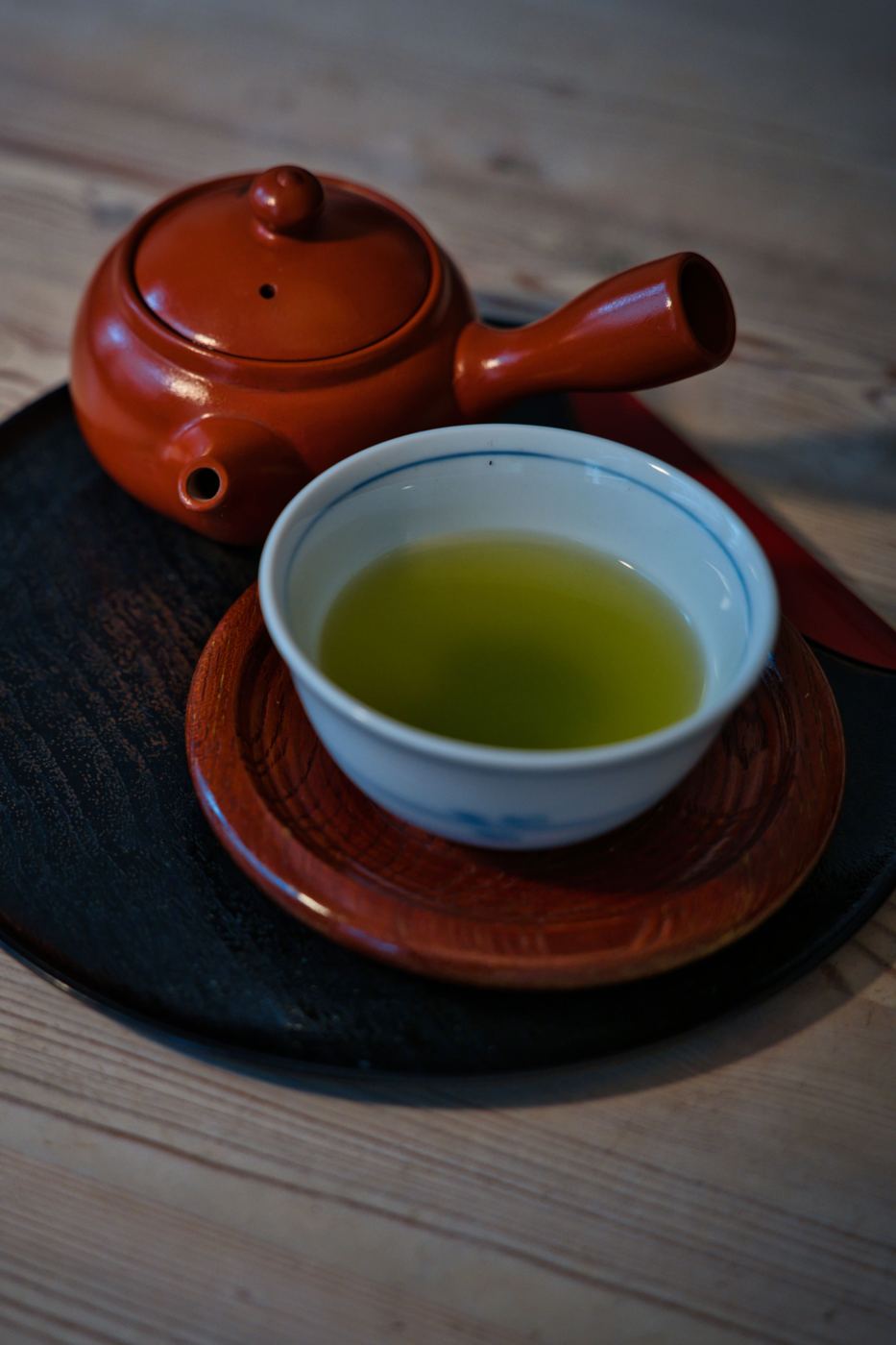
Photo: Travel with Lenses / Pexels
A kyusu is a small Japanese teapot, traditionally clay, best known for its side handle set at a right angle to the spout — a shape built specifically for steeping and pouring green tea, not for general-purpose brewing.
The side-handle style (yokode kyusu) lets you pour with a simple wrist turn rather than tipping the whole pot forward, which matters more than it sounds — Japanese green teas like sencha and gyokuro are steeped at relatively low temperatures for short, precise times, and a controlled pour helps stop the steep at exactly the right moment. Most kyusu also have a built-in mesh or ceramic strainer molded into the body at the spout, so loose leaf can be added directly without a separate infuser.
Kyusu steeping typically uses water well below boiling — often 140-175°F depending on the tea — since Japanese green teas are more delicate than black tea or many Chinese greens and can turn grassy or bitter if scalded. Steep times run short, frequently under a minute for the first infusion, with the same leaves good for two or three more rounds at slightly longer times.
Traditional Use in Japanese Tea Culture
Kyusu are sized for small portions — a few ounces per pour rather than a full mug — reflecting a style of tea drinking built around frequent short servings rather than one large cup. They remain the standard household teapot in Japan for everyday green tea, distinct from the more ceremonial tools used in matcha preparation.
Built-in strainer at the spout, no separate infuser needed
Steeps at lower temperatures than most black tea methods