
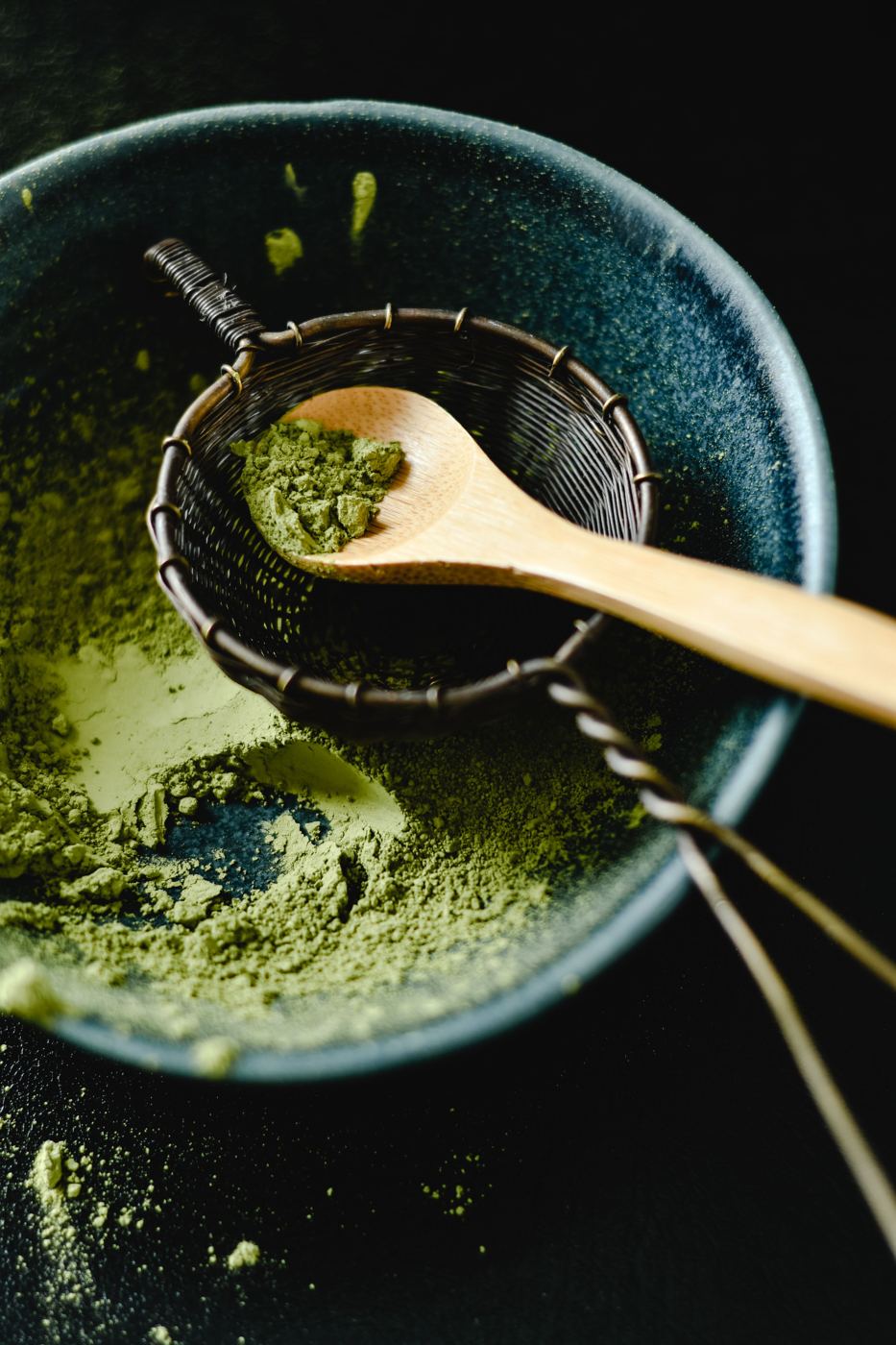
Umami is one of the five basic tastes, alongside sweet, sour, salty, and bitter, usually described as savory or “brothy.” It shows up in tea far more than most people expect.
Umami is most noticeable in high-quality shaded green teas like gyokuro and matcha, where it comes from the same growing conditions that boost theanine: shading the plant before harvest concentrates both compounds, since less direct sun pushes the leaf toward more amino acids and less bitterness-driving compounds. That’s not a coincidence. Theanine itself is part of what registers as umami on the tongue, so a tea bred and grown for high theanine tends to taste noticeably savory as a direct result.
Why it’s a marker of quality
A rich, savory, almost broth-like depth in a green tea is generally read as a sign of real quality: careful shading, good growing conditions, and a leaf harvested at the right time. A green tea that tastes flat or purely grassy, with none of that savory depth, is usually leaf grown without that extra care. Matcha, being the whole leaf ground into the cup rather than steeped and discarded, tends to carry the most concentrated umami of any common tea.