Tea Grading
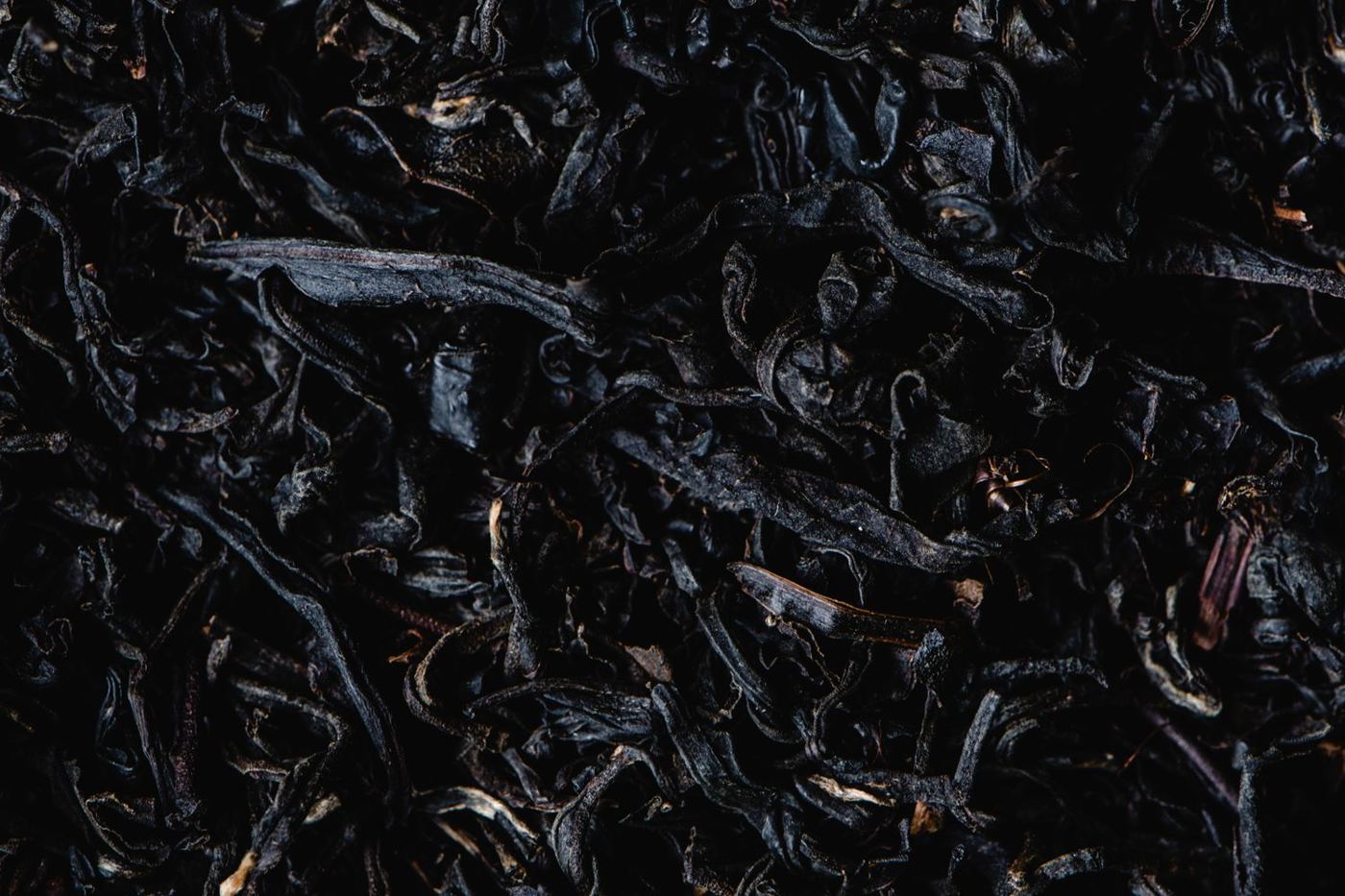
Photo: Pexels
OP stands for Orange Pekoe, a whole-leaf black tea grade in the orthodox leaf-grading system — not a flavor, and not tea scented with orange.
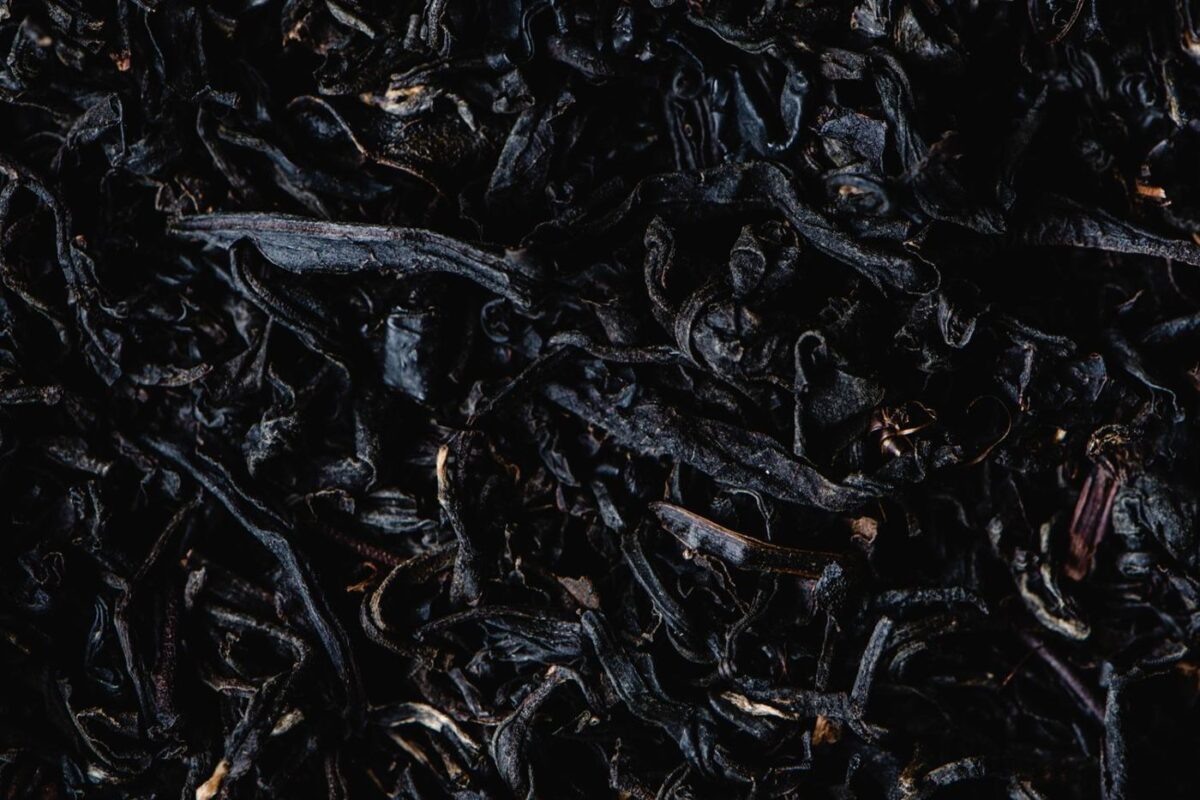
It’s one of the most misunderstood terms in tea. Despite the name, Orange Pekoe has nothing to do with citrus flavor or fruit — it describes leaf size and style, not taste. The most common origin story ties “pekoe” to the Chinese term for the fine, downy hairs on young tea buds, and “orange” to the Dutch royal House of Orange, which historically imported tea into Europe — though tea historians note the exact etymology isn’t fully settled. What is settled: OP tea is made from whole, unbroken leaves, twisted or rolled rather than cut, without the tender leaf-tip “tippy” grades layered on top like FOP or GFOP.
Because the leaf stays whole, OP infuses more slowly and gently than broken grades like BOP — the intact leaf structure means less surface area is exposed to water, so the brew tends to be lighter-bodied and needs a longer steep to develop full flavor. It sits in the middle of the orthodox grading ladder: a step up from broken grades in leaf presentation, but without the tip content that pushes a tea into FOP-and-above territory.