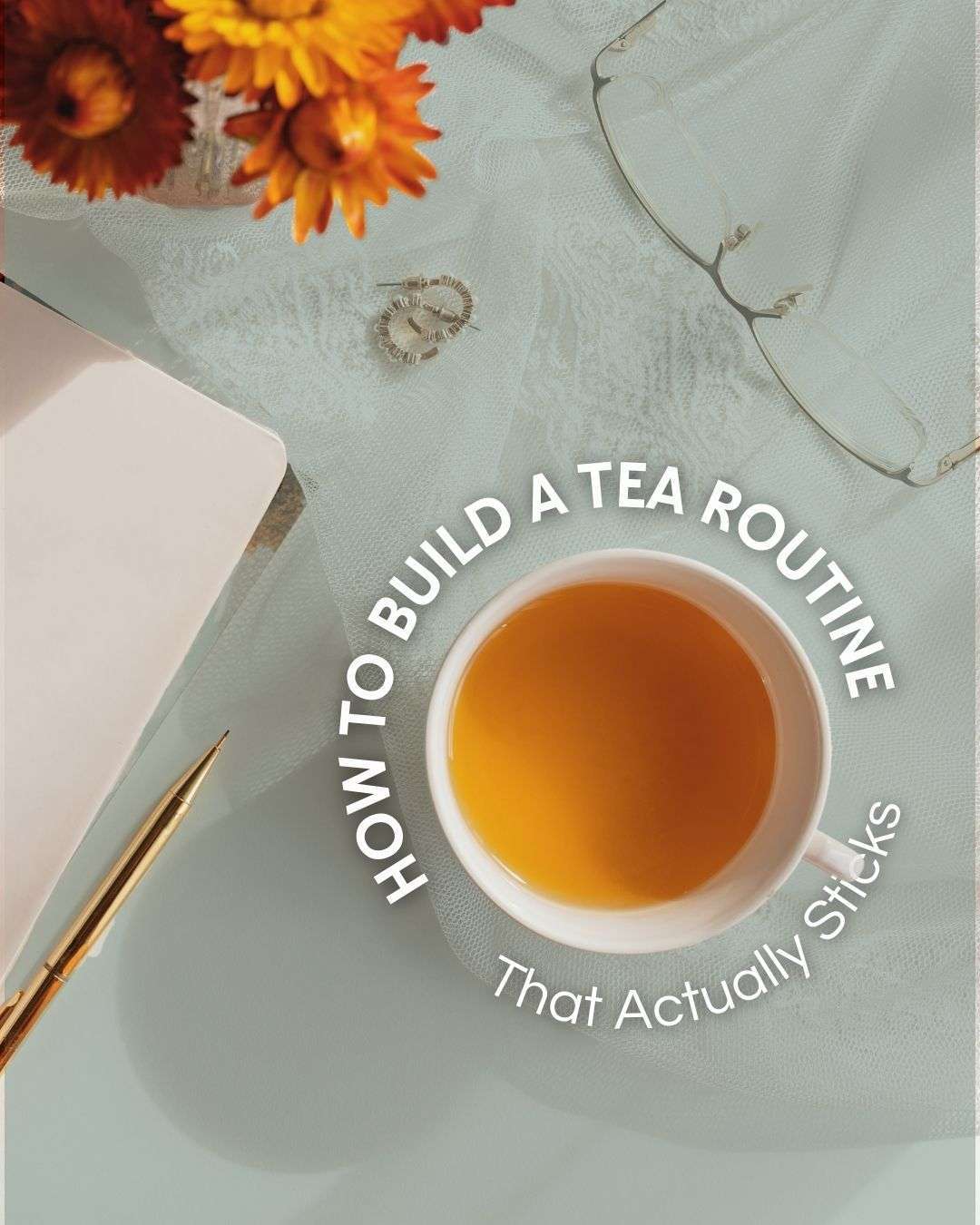
New year, better you — without the burnout.
If you’ve ever started January feeling motivated, only to completely abandon your “new routine” by mid‑month, you’re not broken. You’re just human.
At Moody Teas, we don’t believe in overnight transformations or rigid routines that collapse the first time life gets busy. We believe in small, supportive rituals that work with your real life — not against it.
That’s where tea comes in.
A tea routine isn’t about discipline. It’s about cues, comfort, and choosing something that makes your day feel better — one cup at a time.
Below is a gentle, flexible framework — grounded in behavioral science and real-life habit research — to help you build a tea routine that actually sticks (and quietly improves your days along the way).
First: Ditch the “All or Nothing” Mindset
You don’t need:
- a perfect morning routine
- 12 new habits
- or a complete personality overhaul
You need one habit that feels easy enough to repeat.
Behavior research consistently shows that habits are more likely to stick when they require low effort and fit naturally into existing routines. Starting too big increases friction — and friction is the fastest way to quit.
Start with this baseline rule:
One cup a day counts.
If you do more? Amazing. If not? You’re still succeeding.
Consistency beats intensity — every time.
The 4 Science‑Backed Rules of a Tea Habit That Sticks
Every lasting habit shares a few quiet traits. Your tea routine should be:
1. Obvious (Clear Cues)
Habits are triggered by cues — visual, emotional, or environmental. When your brain sees the cue, it automatically prepares the behavior.
Make tea the default, not a decision.
Ideas:
- Keep your kettle on the counter
- Store your favorite blend at eye level
- Leave your mug out overnight
When the cue is visible, the habit requires less willpower — and happens automatically.
2. Easy (The 2‑Minute Rule)
Research on habit formation shows that the brain resists behaviors that feel time‑consuming or mentally heavy — even if they’re good for us.
If it feels like “too much,” it won’t happen.
Your goal is not a full ritual every time — it’s starting.
Examples:
- Heat water
- Steep one cup
- That’s it
Most days, momentum will carry you further. On low‑energy days, the smallest version still counts — and keeps the habit alive.
3. Enjoyable (Temptation Bundling)
The brain repeats behaviors that feel rewarding — not the ones we think we should do.
Pair tea with something you already enjoy to reinforce the habit loop.
Try:
- Morning tea + scrolling (no shame)
- Afternoon tea + a short break
- Evening tea + your favorite show
When tea feels comforting instead of “healthy,” it becomes something you want to return to.
4. Flexible (Why Flexibility Beats Streaks)
Data‑backed insight: Research on habit adherence consistently shows that people who allow flexibility — instead of rigid streaks — are significantly more likely to return to a habit after missing a day. Streak‑based habits often fail permanently after one disruption, while flexible routines recover.
Missing a day isn’t failure — it’s part of real life.
Flexible habits create psychological safety. When there’s no pressure to “start over,” your brain stays engaged instead of shutting down.
The goal is continuity, not perfection.
Why Tea Works So Well for Habits
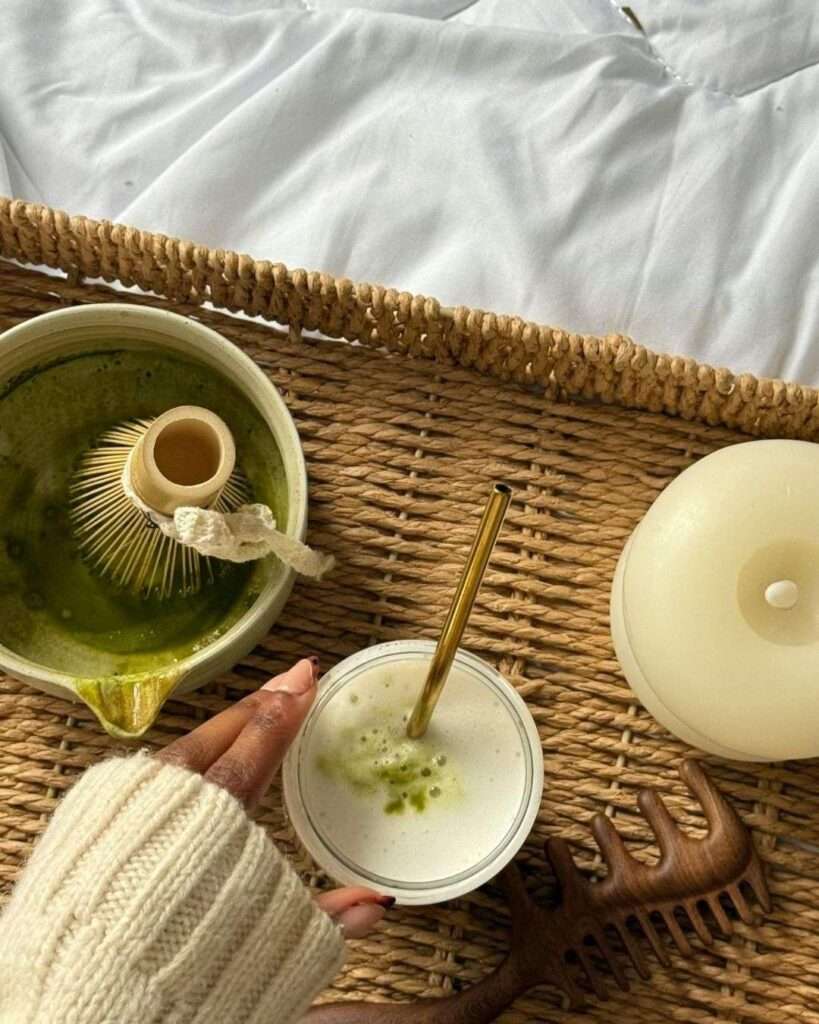
Tea is uniquely effective as a habit because it naturally combines ritual, warmth, and pause — three elements shown to support behavior change and nervous‑system regulation.
Warm beverages are associated with feelings of comfort and relaxation, which can lower stress and reduce resistance to starting a habit. The physical act of steeping tea creates a built‑in pause, helping your brain transition between moments instead of staying in constant “go mode.” Over time, this repetition turns tea into a reliable anchor — a cue that says slow down, reset, and take care of yourself — making it far easier to return to than habits built on pressure or willpower alone.

Build Your Day Around Tea (Not the Other Way Around)
Instead of forcing tea into your schedule, let it support the rhythm your body already follows. Think in terms of cues, moods, and ingredients — not strict rules.
Morning: Focus & Grounded Energy
Mornings are about gentle alertness, not overstimulation.
Look for Focus moods featuring ingredients such as:
- L‑theanine, naturally found in tea, commonly associated with calm focus
- Adaptogens like maca, traditionally used to support energy and resilience
- Dandelion root, often used to support digestion and clear brain fog
These ingredients help you feel awake and steady — not jittery.
Afternoon: Invigoration Without the Crash
Afternoon slumps are often tied to dehydration, decision fatigue, or cortisol dips — not a true lack of energy.
Choose Invigorate moods featuring:
- Green tea for lighter caffeine
- Mint for sensory refresh
- Citrus peel or rosemary to awaken the senses
This supports energy and clarity without pushing your nervous system too hard.
All Day: Hydration That’s Actually Fun
Staying hydrated is easier when it tastes good.
Look for Wellness or hydration moods made with:
- Fruit pieces
- Herbs and botanicals
- Naturally caffeine‑free ingredients
Think of these as a fun, all‑natural version of loaded water — no caffeine, no sugar, just something that keeps you sipping.
When You Feel a Cold Coming On
Early support matters.
Reach for Immune‑support blends featuring herbs traditionally used for wellness, such as:
- Echinacea
- Elderberry
These are often used as gentle, proactive support when you start feeling run‑down.
Evening: Calm, Decompress, Slow Down
Evenings benefit from clear signals that it’s time to shift gears.
Choose Calm moods with ingredients like:
- Chamomile
- Mint
- Lemon balm
These herbs are traditionally used to support relaxation, digestion, and stress relief.
Before Bed: Sleep Support
A consistent pre‑bed ritual can help cue your nervous system for rest.
Look for Sleep‑support blends featuring functional herbals such as:
- Lavender
- Passionflower
- Valerian root
Same mug. Same time. Same cue.
Focus on the Why, Not the Streak
Long‑term habit success isn’t driven by streaks or tracking apps — it’s driven by identity.
Instead of thinking:
- “I need to drink three cups of tea a day”
- or “I should replace coffee with green tea”
Shift to:
“I’m a tea drinker.”
When a habit becomes part of how you see yourself, your brain naturally looks for opportunities to act in alignment with that identity — without constant motivation, tracking, or willpower.
Ask yourself:
Those subtle improvements reinforce the habit loop far more effectively than perfection.
Tea works best when it supports your life — not when it becomes another thing to “keep up with.”
Need Some Extra Help?
January online orders include a custom tea routine, built around your goals. Leave a note at checkout and we’ll help you turn this framework into something personal — and sustainable.