L-theanine is an amino acid found almost nowhere else in nature except Camellia sinensis, and it’s a big part of why tea’s energy feels so different from coffee’s.
On its own, theanine is associated with a calm, relaxed alertness, without any drowsiness. In tea, it doesn’t work alone: it shows up in the same cup as caffeine, and the combination is generally credited for tea’s steadier, more focused kind of energy compared to caffeine by itself. That’s the actual mechanism behind the old “calm but alert” description of a good cup of tea, not just marketing language.
Where it concentrates in the leaf
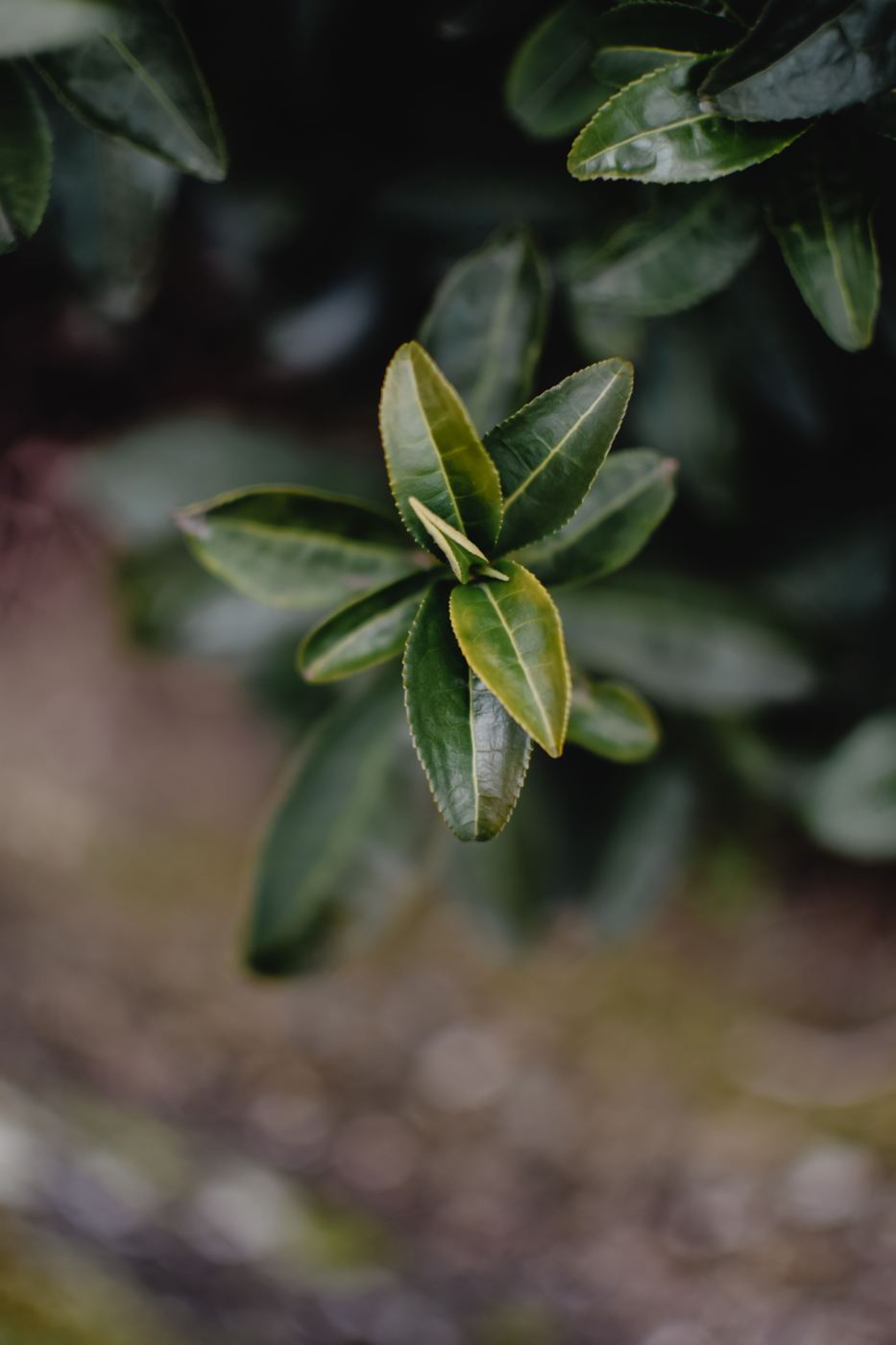
Theanine is highest in the youngest growing tips and buds of the plant, the same tender new growth used for delicate styles like Silver Needle and high-grade green tea. Shading the plant before harvest, a technique used for teas like gyokuro, also raises theanine content, since less direct sun pushes the plant to produce more of it. That’s part of why heavily shaded, bud-heavy teas tend to taste smoother and less bitter than leaf picked later in the season.