Astringency is the dry, slightly puckering feeling a strong tea leaves on your tongue and the inside of your cheeks, not a taste exactly, more of a physical sensation.
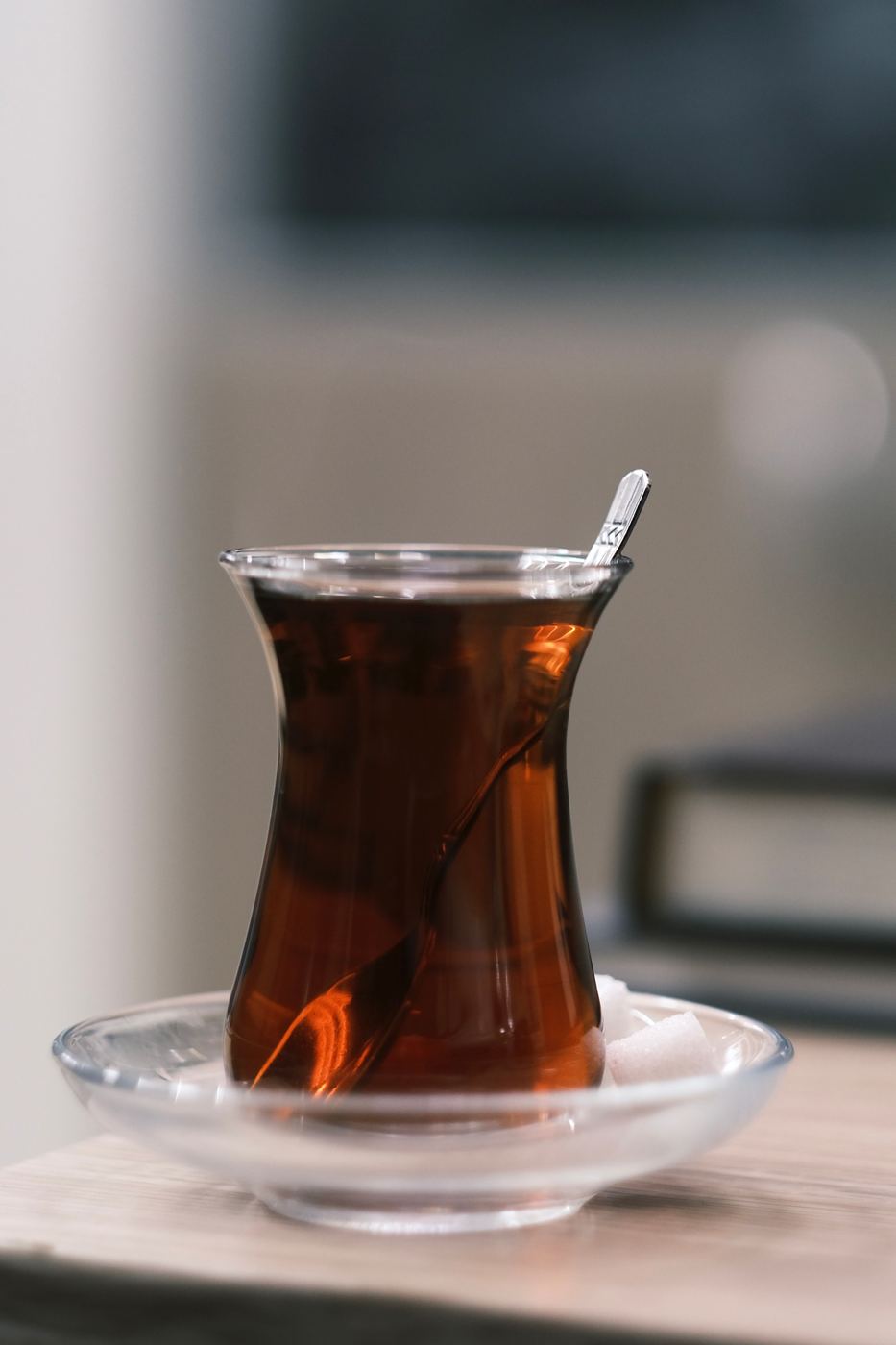
It comes from tannins, natural compounds that build up as a leaf oxidizes, which is why astringency shows up most in black tea and darker oolongs and much less in minimally oxidized green and white teas. In the right amount, it’s a real, structural part of a good tea’s character, the thing that gives black tea some backbone instead of tasting watery or flat.
Where it tips into a flaw
Astringency becomes a problem, not a feature, when a tea is steeped too long or too hot for what it can handle. Extra time in hot water pulls more tannins out of the leaf, and past a certain point the drying sensation turns harsh and mouth-puckering rather than pleasantly structured. The fix isn’t a different tea, usually, it’s a shorter steep or slightly cooler water, since the same leaf brewed properly can taste completely different from the same leaf left in too long.