Steeping Method
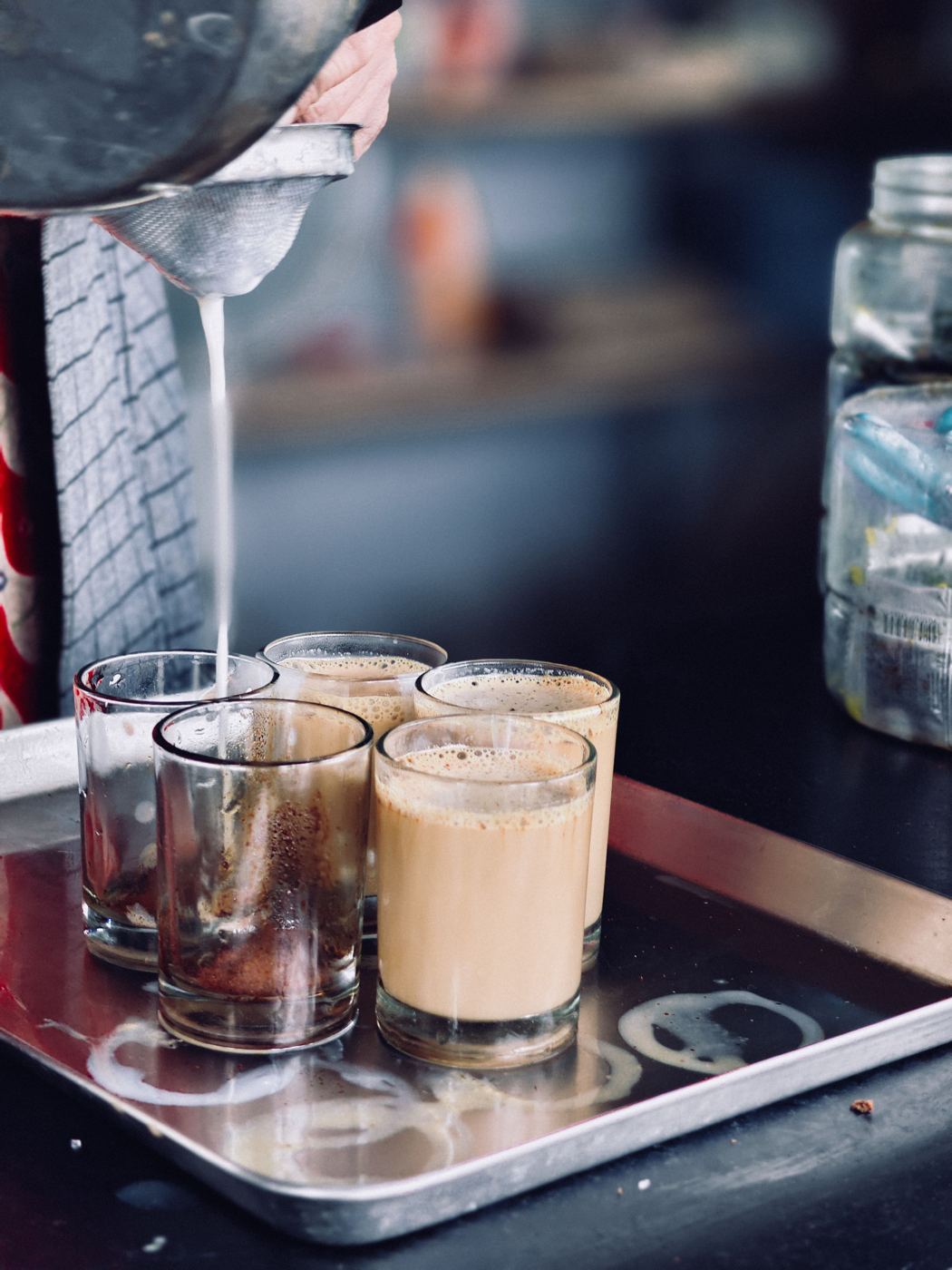
Photo: Jinshu Pulpatta / Pexels
Chai steeping isn’t really steeping in the usual sense — it’s simmering. Black tea, whole spices, milk, and often sugar are boiled together in a pot rather than infused separately, which is what gives chai its thick, rounded body.
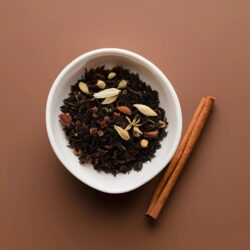
A typical batch starts with water and whole spices (commonly cardamom, ginger, cinnamon, cloves, and black pepper in some combination) brought to a boil to open up their oils, then black tea leaves added and simmered briefly, then milk stirred in and the whole pot brought back to a simmer — sometimes more than once — before being strained into cups. The tea, spices, and milk all cook together rather than the tea steeping alone in plain water, which is the key difference from Western or gongfu-style methods.
Because everything simmers together, chai tends to extract more from the tea leaves and spices than a quick steep would — more color, more body, and generally more caffeine from the tea along with the intensified spice flavor from the boil. Straining is the final step, done through a fine mesh sieve to catch both the tea leaves and any loose spice pieces before serving.
Simmered, Not Just Steeped
This method traces to homes and street tea stalls across South Asia, where chai is usually made fresh in small batches throughout the day rather than steeped to order one cup at a time. The proportions of milk, spice, and sugar vary widely by household and region — there’s no single “correct” chai, only strong regional and family habits.
Whole spices are boiled first to release their oils
Strained through a fine mesh sieve before serving