Steeping Method
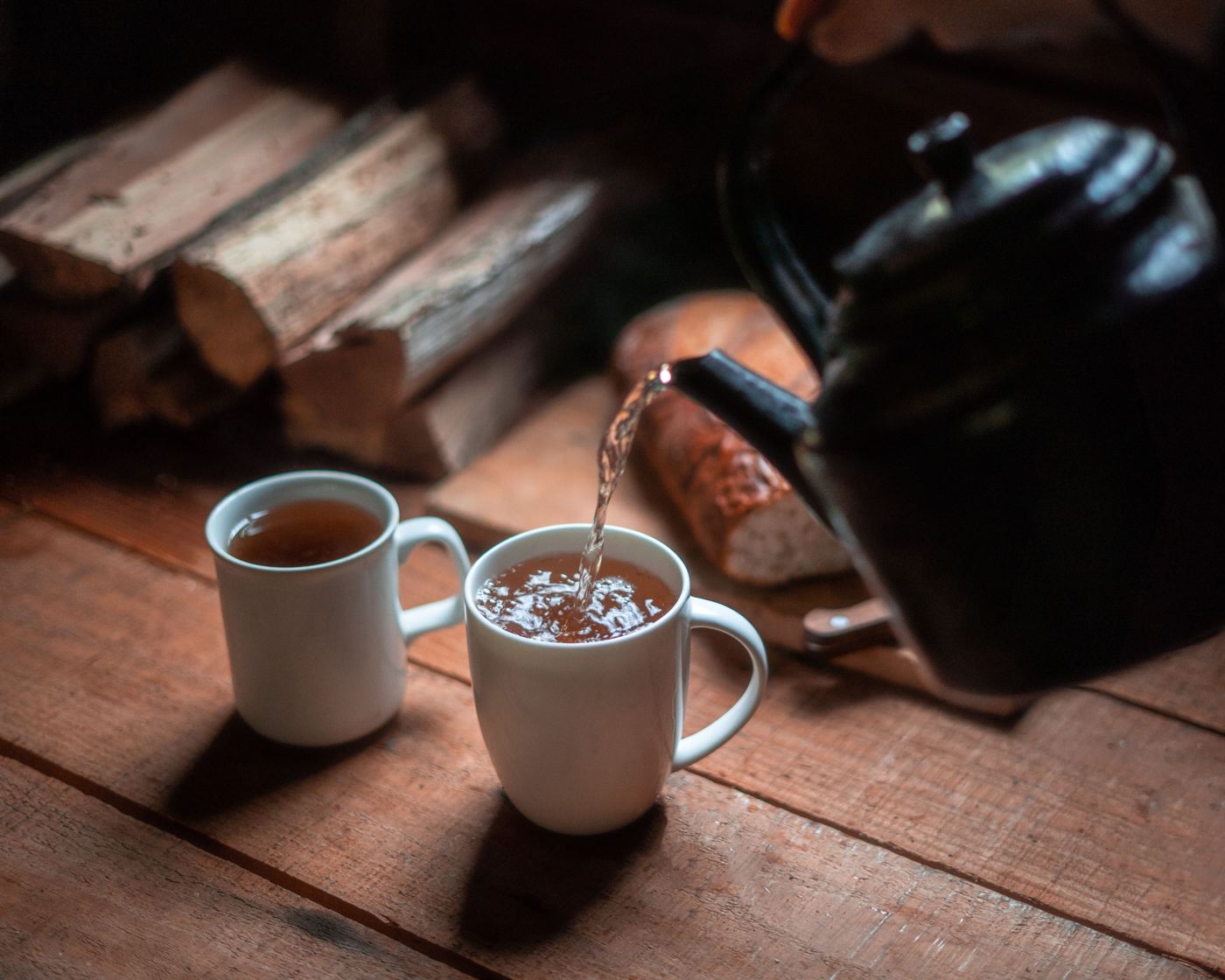
Photo: hcdigital / Pexels
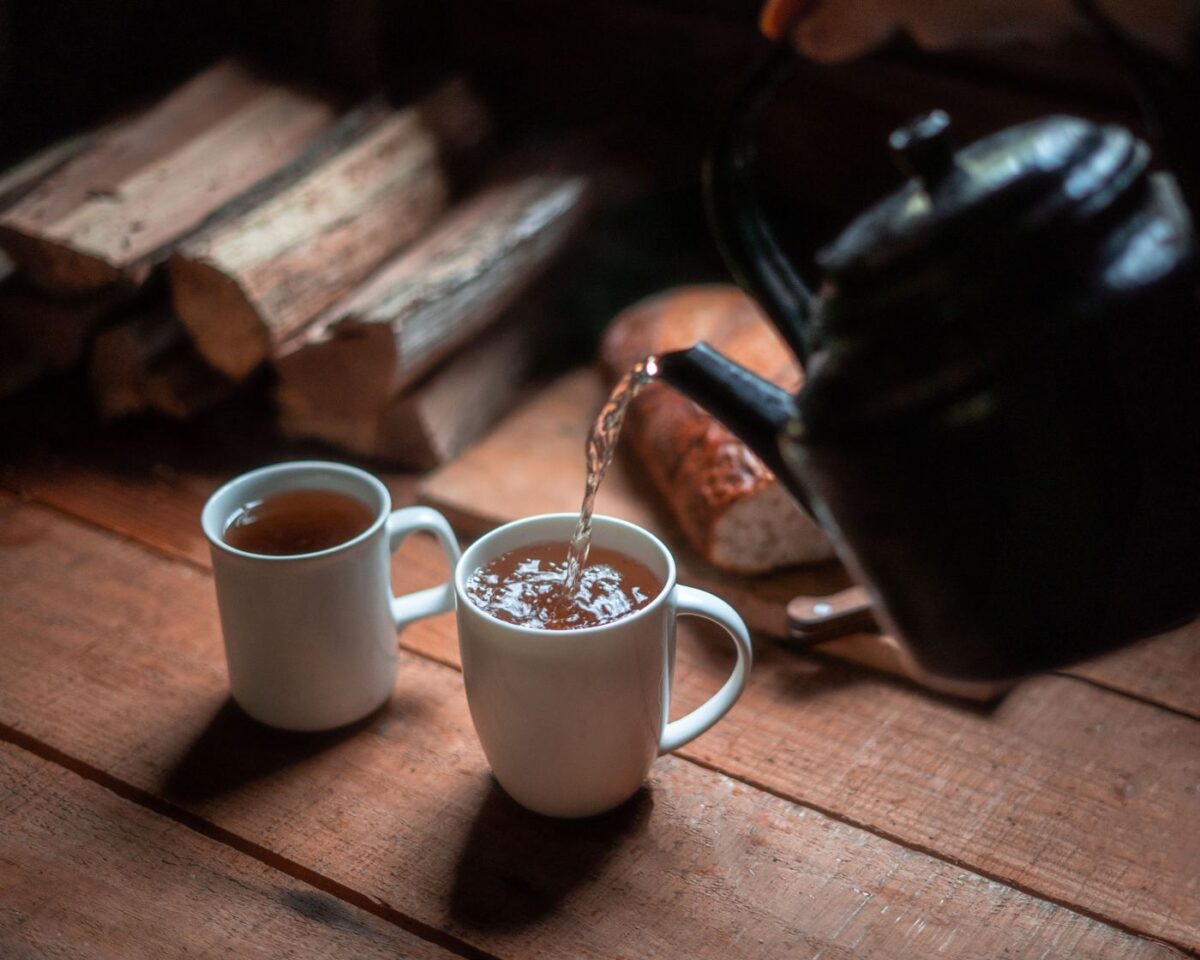
Western steeping is the method most American and European tea drinkers already know without naming it: leaves or a tea bag go into a mug, pot, or infuser, hot water is poured over them once, and the tea steeps for a single, relatively long infusion before the leaves come out.
It’s built around convenience and a bigger vessel — a full mug or an 8-16 oz pot — rather than the small, repeated pours used in East Asian traditions like gaiwan or kyusu steeping. Because the water-to-leaf ratio is lower and the steep time longer (often 3-5 minutes for black tea, a bit less for green), a Western steep tends to draw out a fuller, more concentrated flavor in one pass rather than building layered flavor across several short infusions.
Most tea sold in bag or pouch form worldwide is designed around this method, since it assumes one infusion per serving. Loose leaf tea works with Western steeping too — you simply want an infuser basket or a strainer large enough that the leaves have room to unfurl and move, which affects how evenly they release flavor.
How It Differs from Gongfu-Style Steeping
Gongfu methods (used with a gaiwan) rely on a small amount of water and many short, back-to-back steeps, each pulling a slightly different note out of the same leaves. Western steeping trades that layered complexity for simplicity: one steep, one strain, done — which is exactly why it’s the default for everyday drinking rather than a dedicated tea session.
Standard for bagged tea worldwide
Uses a lower leaf-to-water ratio than gongfu-style methods