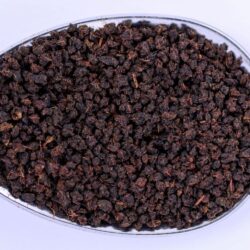

Decaffeinated tea is real tea, from real Camellia sinensis leaf, that’s been processed afterward to remove most of its natural caffeine, while trying to keep as much of the original flavor intact as possible.
That’s the key distinction decaf gets confused about constantly: it isn’t a different, naturally caffeine-free plant. It starts exactly like any other black, green, or white tea, and only afterward goes through an extra processing step to pull caffeine back out. That’s the opposite of herbal tea, which never had caffeine to remove in the first place because it isn’t made from the tea plant at all.
A few different real methods
A few processes exist to actually pull the caffeine out. Water processing uses hot water or steam to draw caffeine out of the leaf, sometimes paired with activated carbon to selectively filter it. Solvent methods use a chemical, typically ethyl acetate or methylene chloride, to strip caffeine directly. CO2 processing uses pressurized carbon dioxide instead, generally considered the gentlest option on the leaf’s other flavor compounds. No method removes caffeine perfectly. Even a well-decaffeinated tea usually keeps a small trace amount, which is why “decaf” means “mostly caffeine-free,” not “zero caffeine,” the way a truly caffeine-free herbal tisane actually is.