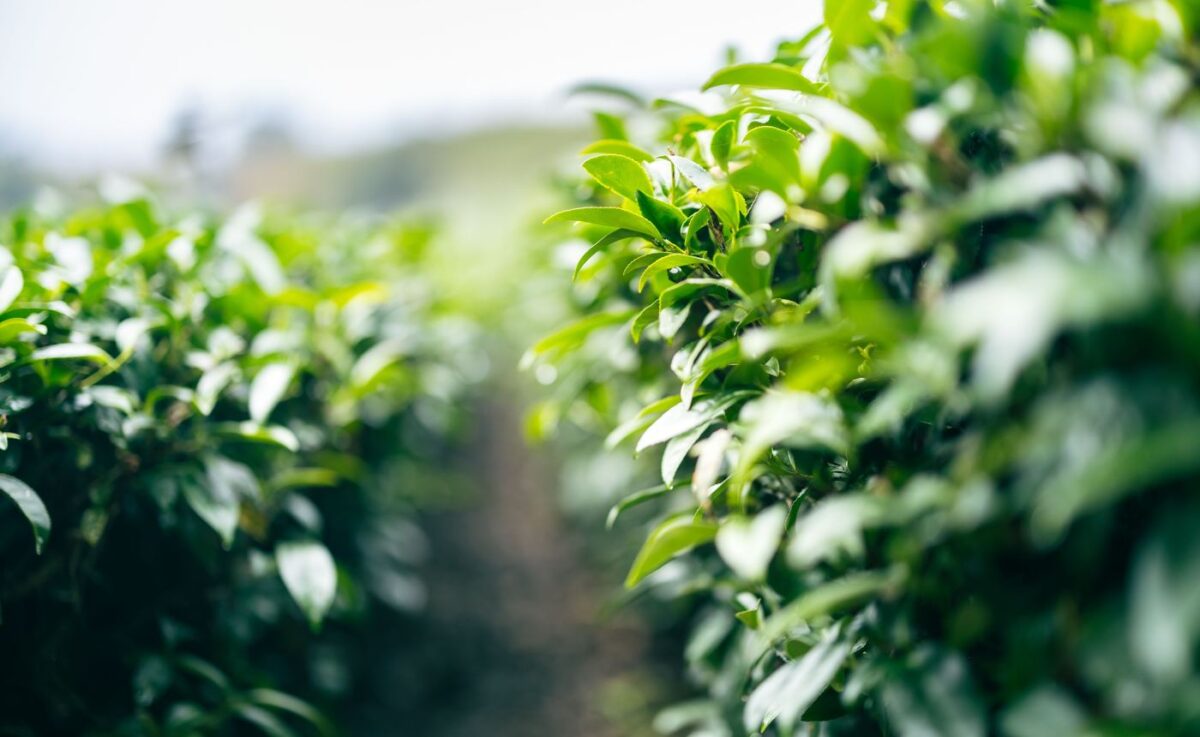
Tea Growing Region
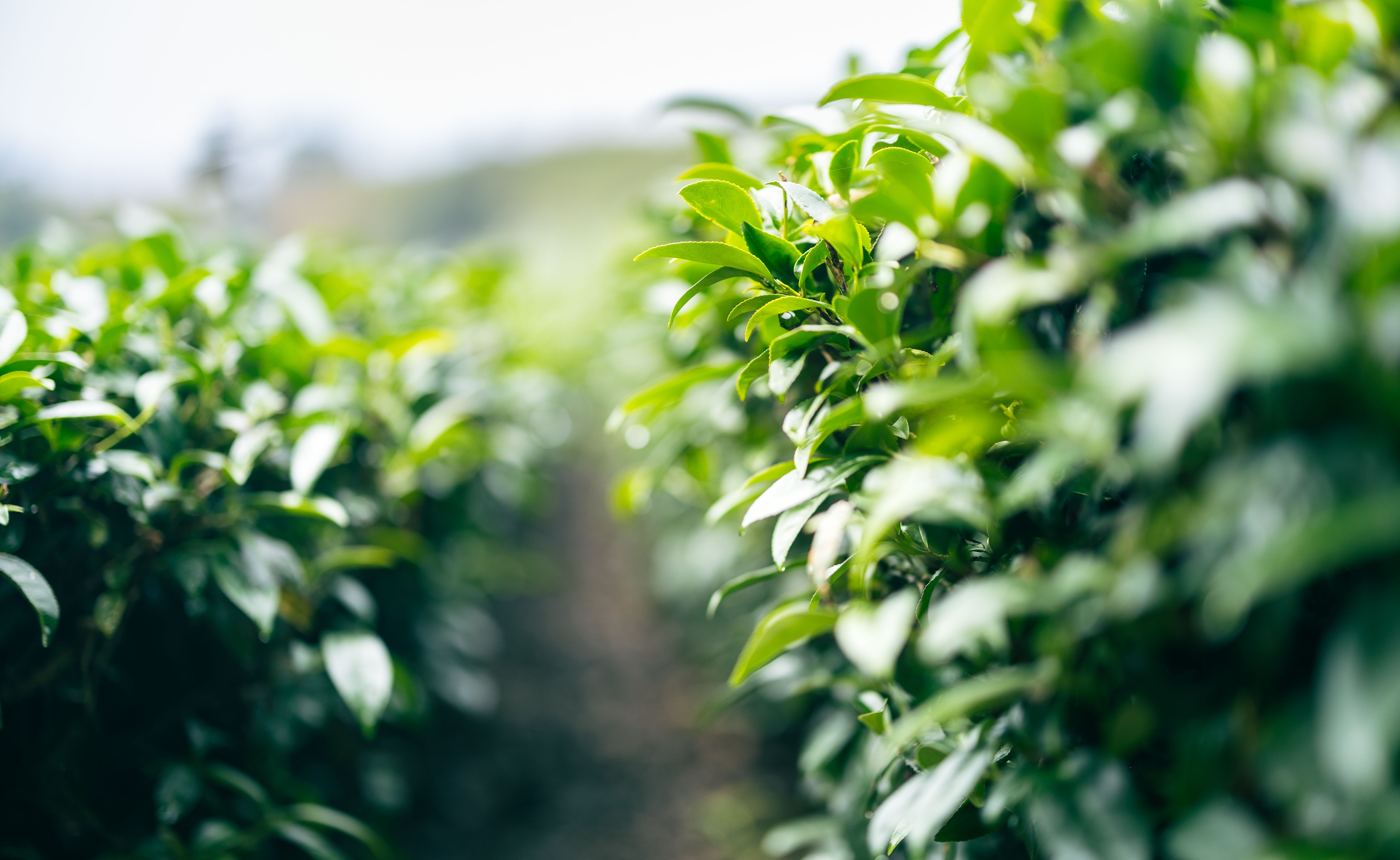
Photo: Marek Piwnicki / Pexels
Taiwan is best known for high-mountain oolong tea, grown at elevations that push 6,000 feet in some regions, higher than most of the world’s other major tea-growing areas.
Tea cultivation on the island dates back to the early 1800s, when plants were brought over from Fujian province in mainland China, just across the strait. Taiwan’s oolong quickly developed its own identity, though, shaped by the island’s steep mountain terrain, frequent cloud cover, and cooler high-altitude air, all of which slow the tea plant’s growth and concentrate its flavor.
Historically, Taiwanese oolong was sold internationally under the name “Formosa,” the island’s old Portuguese-derived name, and “Formosa oolong” is still used today as a marketing term for tea in this style even though the island itself is now called Taiwan. Alishan and Sun Moon Lake are two of the most recognized high-mountain growing regions, each known for a floral, slightly creamy oolong that’s oxidized much lighter than the darker oolongs more common elsewhere.
A range within one category
Taiwan’s oolongs span a wide range of oxidation levels, from very light, jade-green styles to darker, more roasted ones, which is part of why the country’s tea is often used to demonstrate just how much range exists within the oolong category alone, rather than treated as a single flavor profile. Some higher-mountain harvests are also picked only once or twice a year, since the same cool, cloudy conditions that concentrate flavor also slow the plant’s regrowth between pickings.
Historically marketed as “Formosa oolong”
Alishan and Sun Moon Lake are top growing regions