Tea Culture
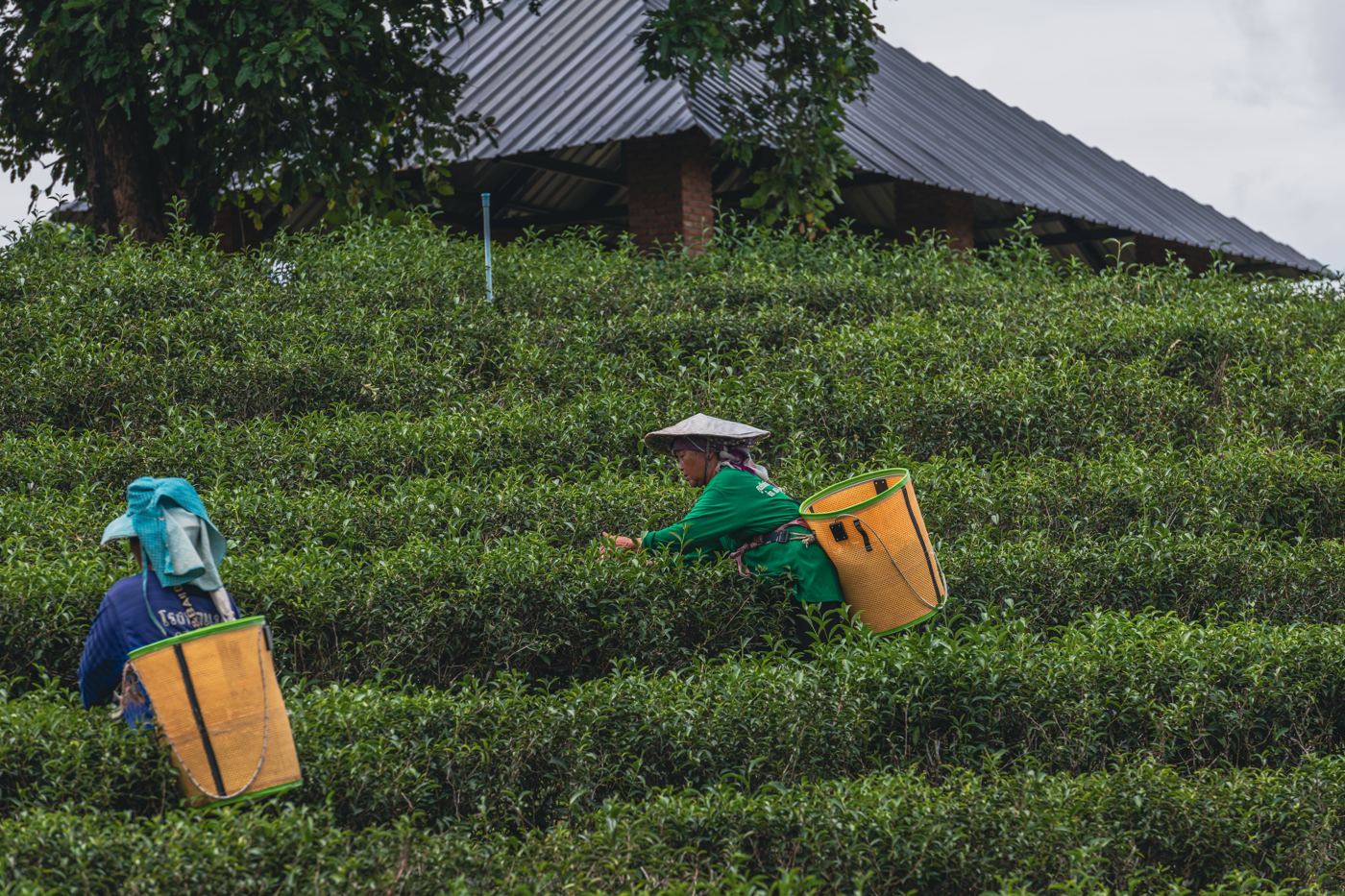
Photo: Kiran Deep Singh / Pexels
Thailand’s tea culture is younger and less codified than Japan’s or Korea’s, shaped by hill-tribe farming, Chinese immigration, and a strong ethic of hospitality rather than a single fixed ceremony.
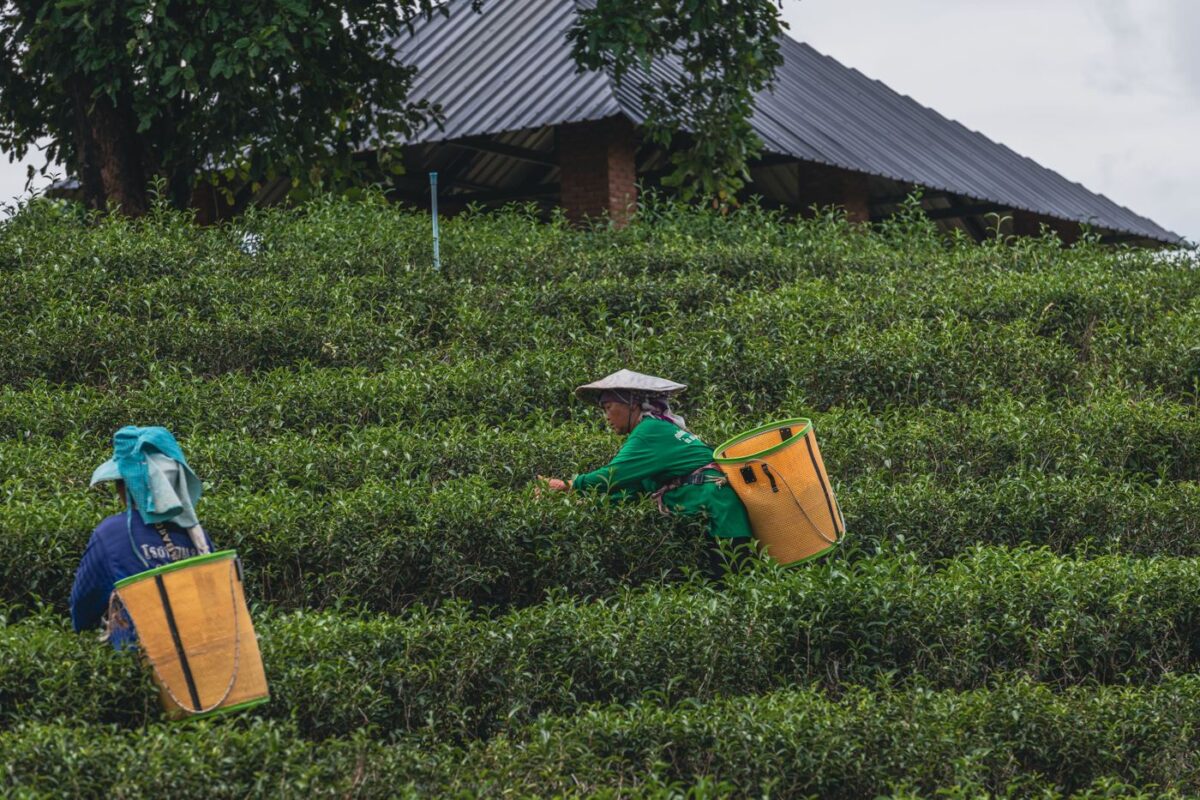
Tea has grown in Thailand’s northern hills for generations, first among Akha and other hill-tribe communities who used it as a fermented, chewed food as much as a beverage. In the mid-20th century, the Thai government encouraged tea cultivation in the north, around Chiang Rai and Chiang Mai, as an alternative crop to opium, and Chinese immigrants brought their own brewing habits and equipment into the mix.
What’s often called a “Thai tea ceremony” today, especially in tourism and cultural-experience settings, blends these influences: guests sit in a circle rather than a fixed formal arrangement, the host cleans the tea tools before beginning as a mark of respect, and locally grown leaf is prepared and shared informally rather than through a strict sequence of ritual steps.
Hospitality Over Formality
It’s worth separating this from Thai iced tea, the sweet, orange-hued milk tea sold at street stalls and known abroad as cha yen. That’s a popular drink, not a ceremony. The tea culture described here is quieter and more regional, closer in spirit to a shared pot of tea among neighbors than to Japan’s chanoyu or Korea’s darye, and it’s still evolving as tea tourism and small growers in the north bring more attention to it.
Shaped by Chinese immigration and trade
Informal, circle-seated, hospitality-focused