
Tea Growing Region
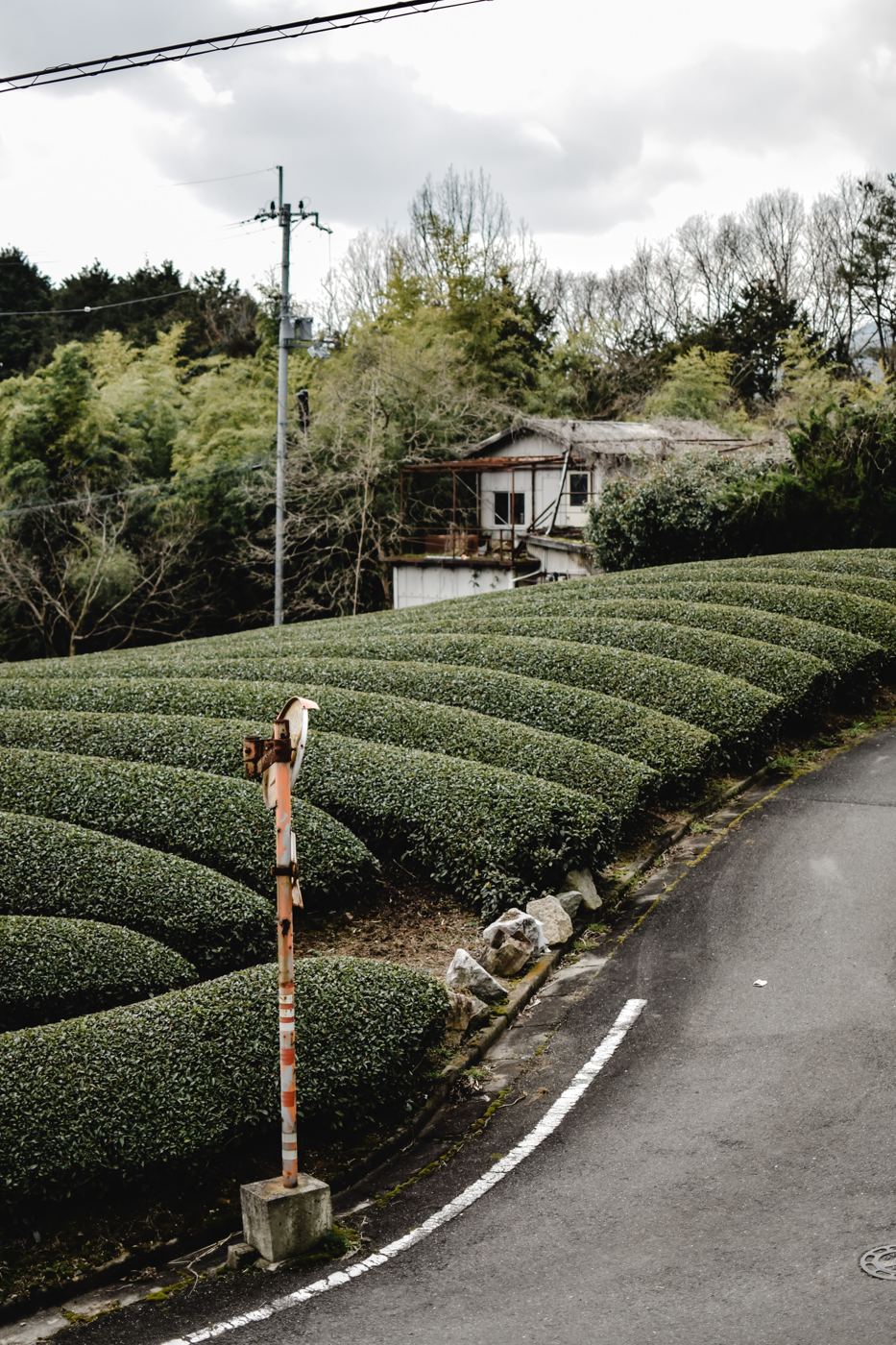
Photo: Eva Bronzini / Pexels
Japan is a green tea country almost exclusively — unlike China or India, it doesn’t produce black or oolong tea at any real commercial scale, and nearly everything grown there is processed as green tea.
Tea arrived in Japan from China over a thousand years ago, brought back by Buddhist monks who had studied there, and it eventually developed its own distinct processing style: most Japanese green tea is steamed rather than pan-fired the way most Chinese green tea is, which gives it a grassier, more vegetal character and a brighter green color.
Uji, near Kyoto, is Japan’s most historically famous tea-growing area and is especially known for high-grade matcha and gyokuro, teas grown under shade cloth in the weeks before harvest to boost chlorophyll and soften bitterness. Shizuoka, on Japan’s main island, is the country’s largest producing region by volume and grows most of the sencha found in everyday Japanese tea drinking. Kagoshima, in the south, rounds out the major regions with a warmer climate that allows an earlier first harvest each spring.
Grown for a specific use
Japanese tea culture is unusually precise about which grade of tea is meant for which purpose — ceremonial-grade matcha for whisking, everyday sencha for casual drinking, and shaded gyokuro for a slower, more deliberate cup. That specificity is part of why Japanese green tea reads as more structured and ritualized than green tea from other regions.
Uji is the historic home of matcha and gyokuro
Shizuoka is Japan’s largest tea region by volume