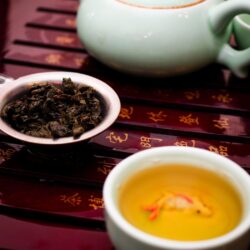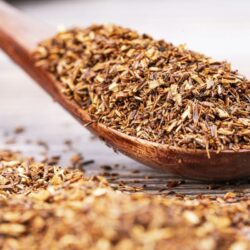
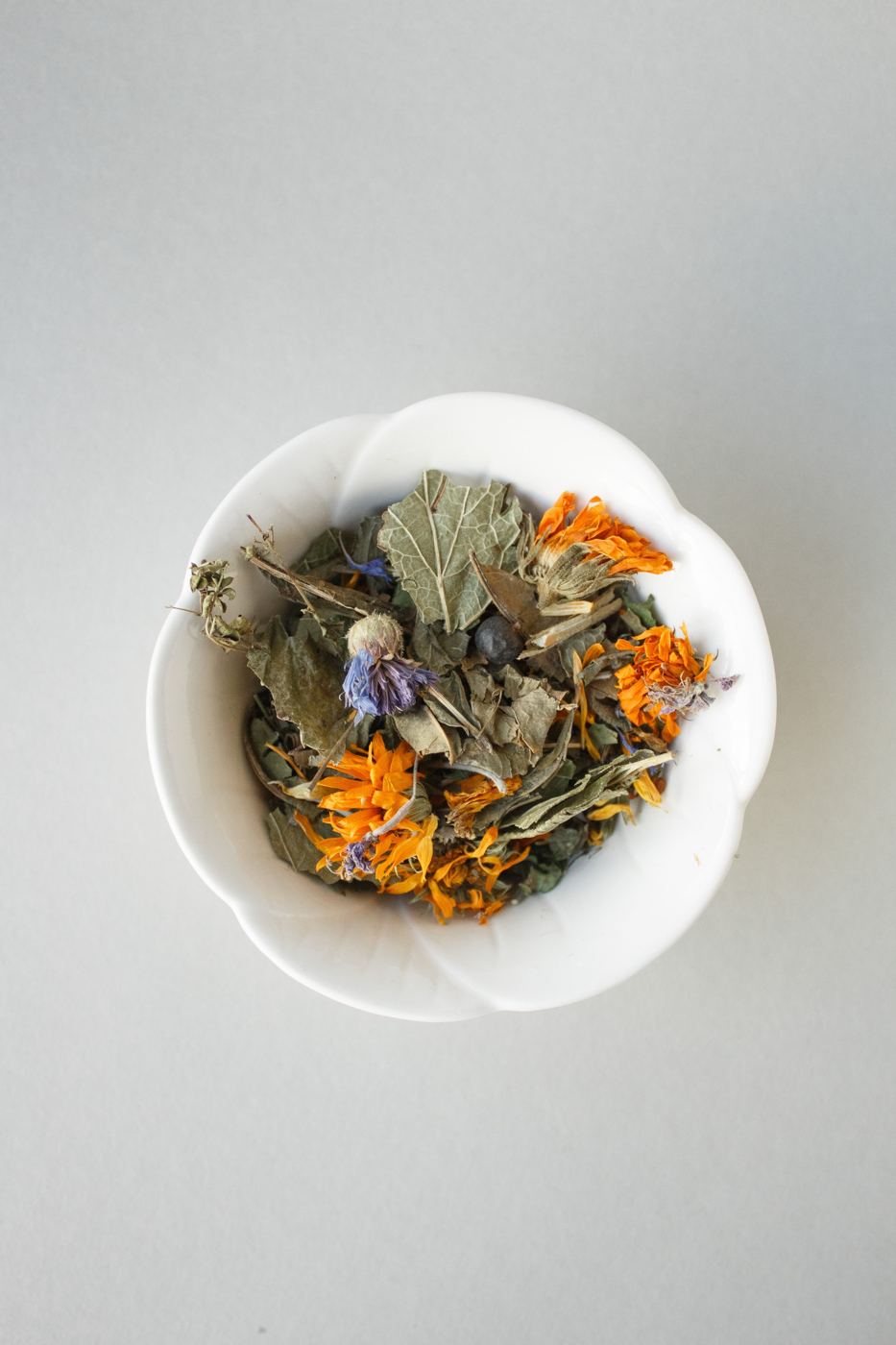
A tisane is the technically correct name for any infusion made from something other than the tea plant, Camellia sinensis. In everyday language, almost everyone just calls it “herbal tea” instead.
Tisanes cover an enormous range: rooibos, chamomile, peppermint, hibiscus, lemongrass, and countless other herbs, flowers, fruits, and spices, each brewed the same basic way as tea but built from a completely different plant, or often several combined. Because none of them come from Camellia sinensis, tisanes are naturally caffeine-free, not decaffeinated the way a processed tea can be, since there was never any caffeine there to begin with.
Why “tisane” never really caught on
The word itself is more common in French and in specialist tea writing than in everyday English, where “herbal tea” just won out as the practical term, even though it’s technically a bit of a contradiction, since a tisane isn’t tea at all in the botanical sense. Either name points at the same thing: a real, often centuries-old tradition of brewing plants for flavor, ritual, or how they make you feel, entirely separate from the tea plant’s own long history.