Tea is one of the most widely consumed drinks in the world. But the story of how we drink tea today is not just a story of the tea plant or trade routes. It’s a story of people, of migrations, immigrants, cultural bridges, and lived traditions that travelers, workers, refugees, and settlers carried with them. From daily chai in India to bubble tea in Los Angeles, the global tea culture we know today is shaped by the movement of people as much as by the movement of goods.
This post unpacks that story: the role of immigrants in spreading tea, transforming its forms, and embedding tea into local customs worldwide.
Tea Began in China, But It Didn’t Stay There
Tea grows naturally in parts of Southeast Asia. It was first consumed as a drink in what is now China, likely as early as 2700 BCE, and was deeply embedded in local life and philosophy long before it became a commercial commodity. Chinese tea culture developed complex rituals and deep symbolic meaning around tea preparation and drinking.
But tea was not destined to stay a Chinese curiosity. Starting in the early medieval era, trade and with it migration began to spread tea’s reach far beyond its birthplace.
Silk Road and Early Migration
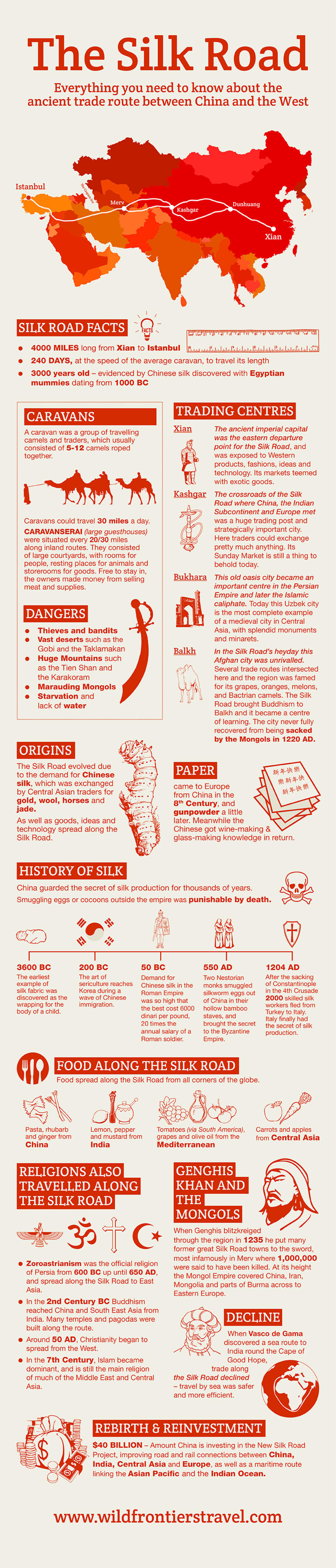
The Silk Road was not just a trade route. It was an ancient network of people on the move, merchants, monks, refugees, and envoys. Tea traveled along these routes into Central Asia, the Middle East, and beyond, carried by traders and travelers who shared not only goods but customs and tastes.
This movement of tea by people, not just goods, marks a pattern we see again and again in tea’s global history: immigration equals cultural transfer.
Immigrant Workers and Tea Economies
By the 19th century, global demand for tea had skyrocketed, especially in Europe and North America. But crucially, the labor that made tea a global commodity was largely immigrant labor.
British India and Labor Migration
As Britain’s East India Company built tea plantations in colonial India to supply British demand, they faced a labor shortage. Local populations often resisted plantation work. The colonial government and planters recruited workers from distant regions like Bihar, Bengal, and Odisha, using legislation like the Inland Emigration Act (1859) to control labor movement. This created internal migration flows that fueled the tea economy.
This wasn’t straightforward “free migration.” Immigrant and indentured systems often coerced laborers, but those labor migrations were decisive in building the modern tea industry.
Immigrants Bring Tea Culture With Them and Transform It
Tea is not just leaves and water. It’s social practice: how people drink tea, when they drink it, who they share it with, how they talk around it. Immigrants bring those traditions with them and reshape them.
Irani Cafés in South Asia, A Case Study in Cultural Fusion
In the 19th century, Zoroastrian Irani immigrants from Persia settled in British India. They opened cafés that became iconic cultural institutions in cities like Mumbai, Pune, and Hyderabad.
These Irani cafés:
- Served Irani chai, a rich, milky tea rooted in Persian tea traditions.
- Became community hubs where people gathered not just for tea, but for conversation, games, collaboration, and community building.
- Blended Persian, Indian, and colonial British elements, from interiors to menu offerings, creating hybrid tea culture staples like bun maska and Osmania biscuits.
Irani cafés demonstrate how tea culture evolves when migrants create spaces that mix their traditions with local ones. These aren’t minor footnotes. In Mumbai they were once hundreds of iconic venues.
Immigrant Diasporas Create New Tea Experiences
Tea’s global journey isn’t only about rural plantations and colonial trade. It’s also about diasporic communities in cities reinventing tea for new contexts.
Bubble Tea, Taiwanese Immigration and Global Tea Culture
Bubble tea, or boba, is one of the clearest examples of immigrant influence on global tea practices.
- Invented in Taiwan in the early 1980s.
- Taiwanese immigrants brought it to the United States in the 1990s, setting up bubble tea shops in places like Southern California that catered first to Asian immigrant communities.
- From these immigrant roots, boba spread across North America, Europe, and Australia, evolving into mainstream youth culture.
But the impact goes deeper than flavor. Boba has become a symbol of identity for Asian American and Asian diasporic communities. In social spaces where other cultural markers were marginalized, bubble tea served as a piece of cultural visibility, a bridge between heritage and home.
Immigrants didn’t just bring this drink. They reframed how tea participates in identity, community, and belonging.
Tea and Social Connectivity in Immigrant Communities
Tea often serves as a social glue in immigrant communities, a familiar ritual in unfamiliar surroundings.
For many migrants around the world:
- Sharing tea is a way to reclaim home traditions in diaspora.
- Tea gatherings become spaces of storytelling and preservation, where elders teach young ones about homeland customs.
Whether it’s Moroccan mint tea shared at a North African family gathering in Paris or a cup of chai in a South Asian community center in Toronto, tea becomes a cultural anchor.
Local Innovation Through Immigrant Influence
Immigrants don’t just replicate old traditions. They adapt and innovate. Tea culture today bears the marks of these adaptations.
Examples:
- Thai tea culture evolved via Chinese immigrants in Thailand, leading to local tea drinks adapted for tropical climates.
- In Brazil, Japanese immigrants revitalized the tea industry in the 1920s, planting seeds and shaping modern Brazilian tea cultivation.
- In Western countries immigrant entrepreneurs blended tea with local tastes, iced teas, sweet milks, herbal infusions, creating new, hybridized tea customs.
These innovations reflect what happens when migrants encounter new environments: they blend tradition with local tastes, creating new cultural forms.
The Broader Historical Arc, Imperial Trade, Labor Migration, and Cultural Exchange
While immigration stories are often local and specific, they are part of a broader global history in which tea has played an outsized role.
The medieval Silk Road and later maritime trade brought tea to Europe and the Middle East long before modern immigration systems existed.
But modern patterns of migration, forced, economic, voluntary, diasporic, are what embedded tea culture into everyday life around the globe.
Colonial plantations depended on migrant labor. Immigrant cafés and storefronts reinvented tea consumption. Diaspora communities turned tea into identity markers.
Why This Matters
Tea today is not monolithic. It is:
- A ritual rooted in ancient origins, China, Japan, South Asia, that spread through early migrations.
- An economic force shaped by migrant labor in plantations and trade hubs.
- A cultural fabric woven by immigrants in cities around the world.
- A dynamic, evolving practice influenced by diaspora communities that adapt tea to new contexts and identities.
You can trace a teacup’s journey, from plantation fields worked by migrants to cafés shaped by immigrant entrepreneurs, as a microcosm of human migration itself.
This is not a quaint cultural story. It’s a history of movement, adaptation, resistance, and community. Tea’s story is a humanitarian story.
Shared History in a Cup
Tea in 2026 is global. Countless people drink it every day without thinking about its long history of migration and cultural exchange. But behind every ritual, from Moroccan mint tea with friends to a Taiwanese taro bubble tea in a Chicago café, is a lineage of immigrant influence, resilience, and reinvention.
Tea is not just a drink. It is shared history in a cup.