
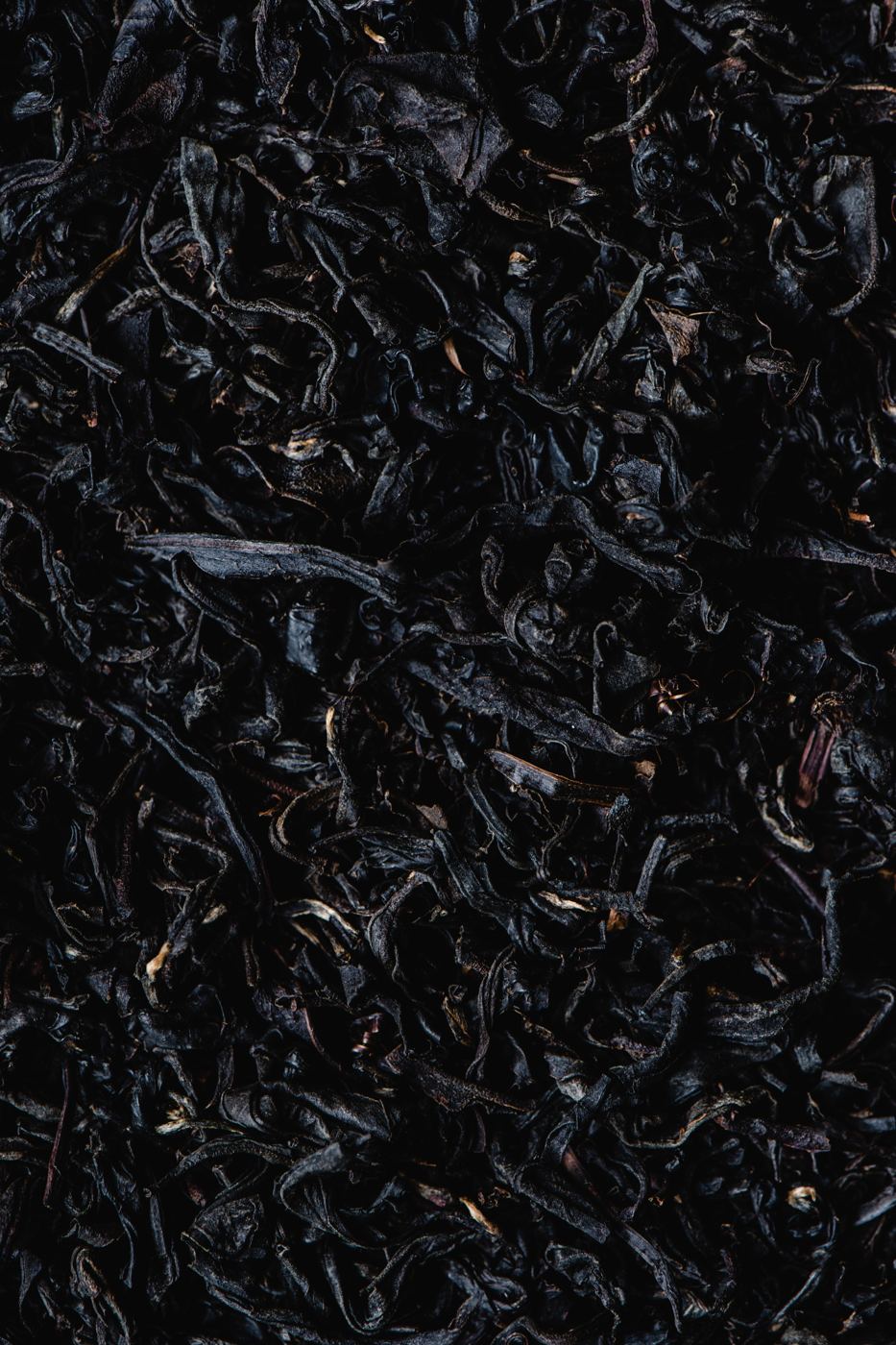
Amoy is the old Western name for Xiamen, a port city in Fujian province, China, and in the tea trade it came to mean tea shipped out through that port rather than one fixed style or grade.
Xiamen was among the small number of Chinese ports the Qing government opened to Western merchants, which made “Amoy” traders a key source for British and American tea buyers in the 18th and 19th centuries. Rather than naming a specific tea the way “Pekoe” or “Souchong” did, “Amoy” mostly designated origin: tea, especially Fujian oolongs and Anxi teas, that passed through that port on its way to Europe or America. The name lives on in tea history in other ways, too. Traders’ pronunciation of Amoy-dialect words shaped other English tea terms that stuck, including “Keemun” (from the local reading of Qimen) and “Congou” (a mistransliteration of gongfu, 工夫, that became a 19th-century Western grade name for Chinese black tea). Because “Amoy tea” functioned as shorthand for “shipped from Amoy” rather than a formal category, old tea glossaries list it as a port designator, not a grade, and its exact scope varied by merchant and era.