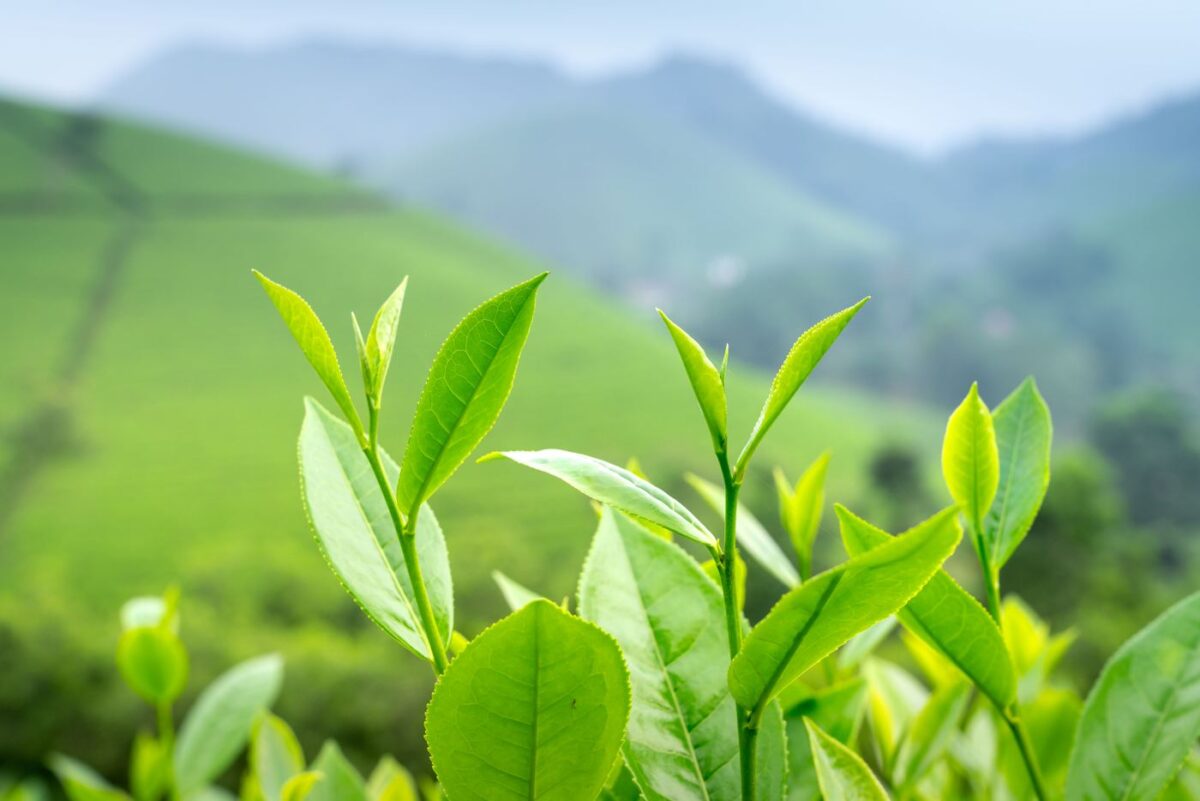
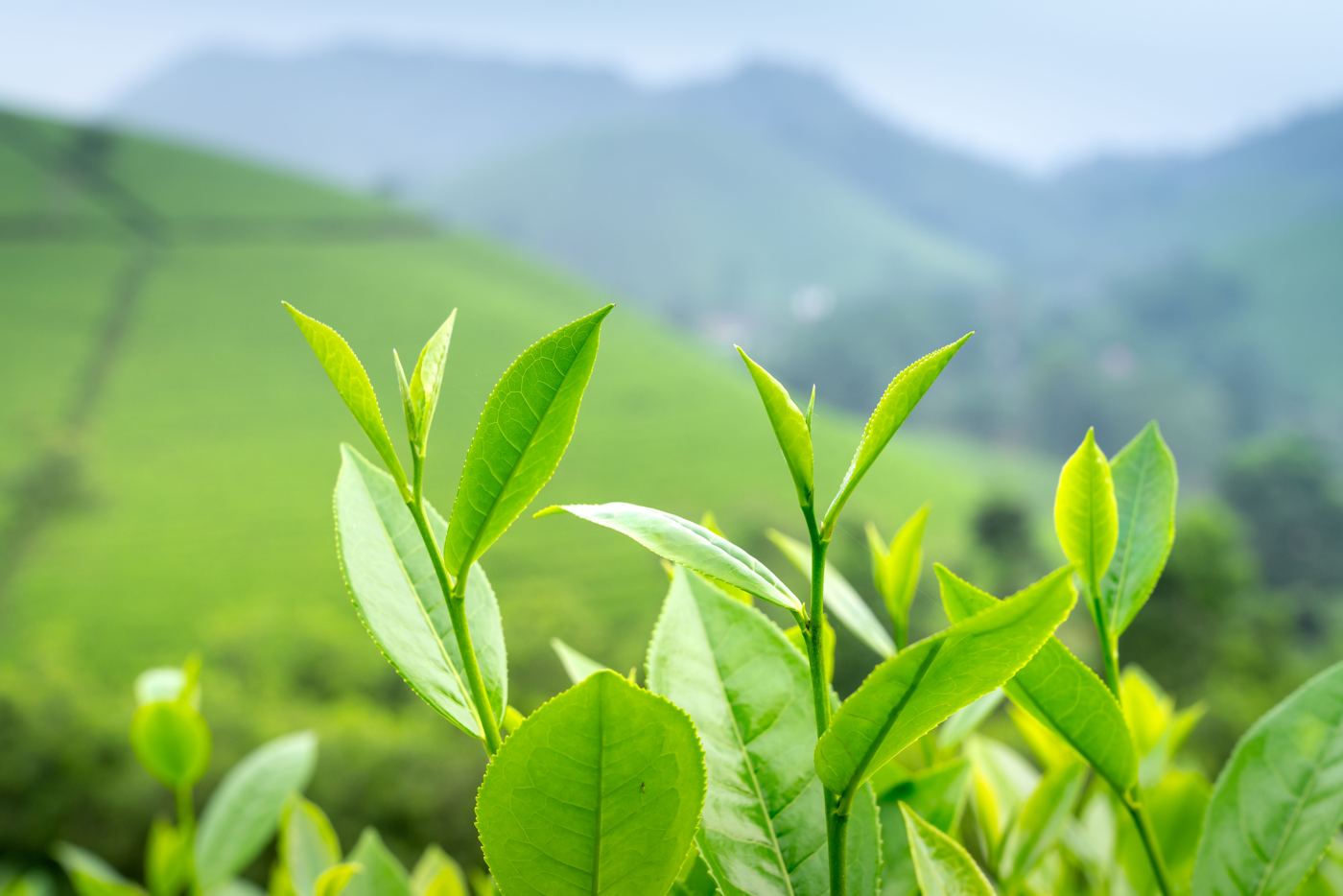
Bancha is Japan’s everyday green tea — harvested later in the season than Sencha, from larger, more mature leaves that make a milder, more affordable cup.
Where Sencha comes from the tender first flush, Bancha is picked afterward, often in the second or third harvest, once the leaves have grown coarser and the plant has put more of its early-season nutrients into growth than into the compounds that give first-flush teas their brighter, more concentrated flavor. That later, larger leaf is naturally lower in caffeine and amino acids, which is why Bancha tastes more mellow and slightly grassy or woody rather than sharp or umami-forward. In Japan it’s treated as a household staple rather than a special-occasion tea — a straightforward, low-caffeine cup meant for drinking throughout the day, often alongside meals.