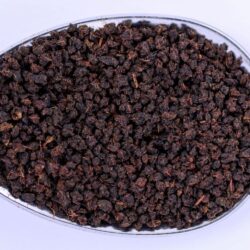
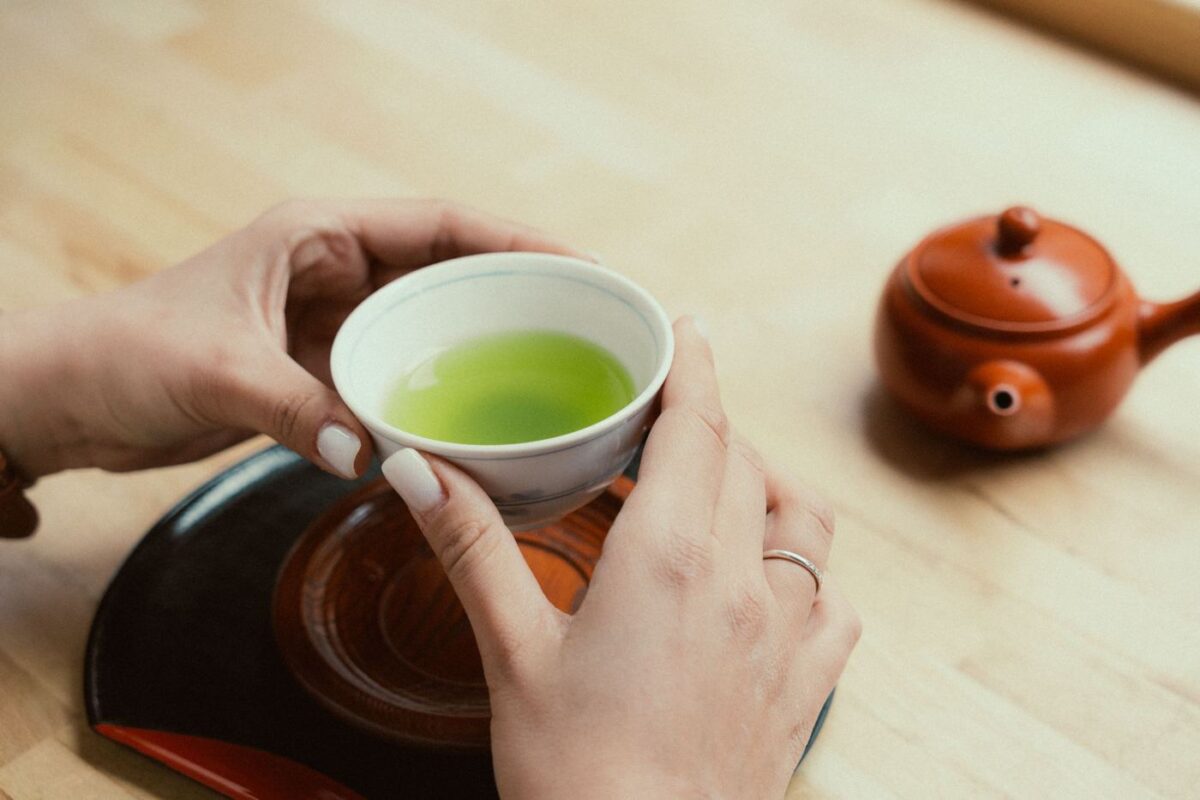
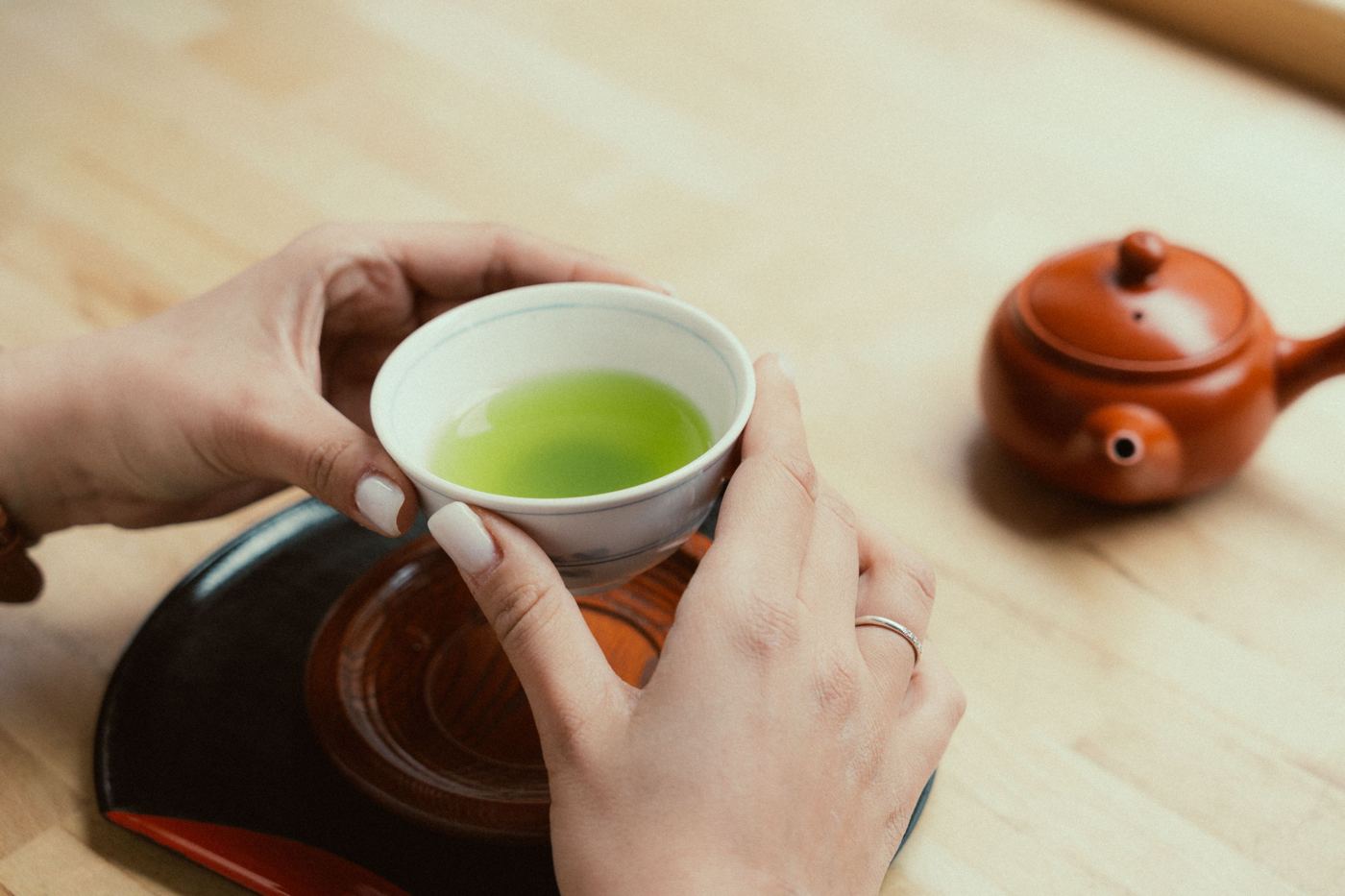
Aoyanagi (“green willow”) is a name used by several Japanese tea producers for a pan-fired or later-harvest green tea, though it isn’t a single, standardized grade the way “Sencha” or “Gyokuro” are.
Worth being upfront about: we couldn’t find one authoritative source that pins Aoyanagi down to a single fixed meaning. Different growers use it differently. Some producers apply it to kamairi-cha, pan-fired green tea made without the steaming step typical of most Japanese tea, sometimes described as “Japanese tea made the Chinese way.” Others use it for bancha, a later, coarser harvest with milder flavor and lower caffeine than early-season leaf. Regional sourcing is similarly inconsistent across the retailers and producers who use the name, spanning Kagoshima, the Kumamoto–Miyazaki border area, and Mie prefecture. The one throughline is the name itself: “green willow” is generally said to describe the tea’s slender, willow-branch-like leaf shape. Given the ambiguity, we’re treating Aoyanagi here as a producer-level product name rather than a fixed category, and would rather say that plainly than invent a tidier definition than the sources actually support.