
Steeping Method
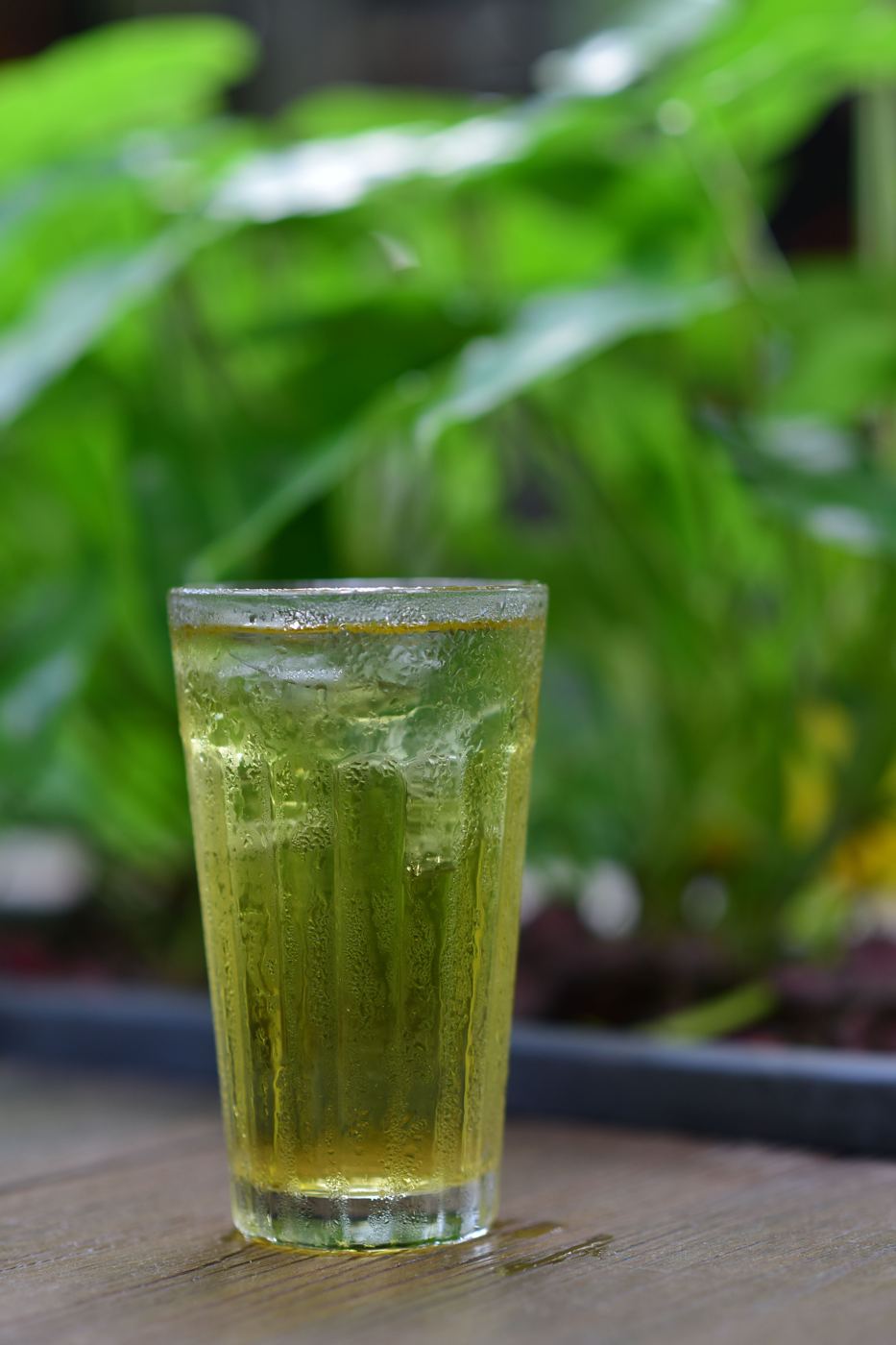
Photo: Soc Nang Dung / Pexels
Cold brew tea is steeped entirely in cold or room-temperature water over a long stretch of time — usually several hours in the refrigerator — instead of hot water for a few minutes. No heat, no kettle, just time.
Without heat to speed extraction, cold brewing relies on time alone to pull flavor, color, and caffeine out of the leaf, which typically takes anywhere from 4 to 12 hours depending on the tea and how strong you want it. The tradeoff for that patience is a noticeably smoother, less bitter cup: hot water extracts tannins and certain bitter compounds quickly, while cold water draws them out much more slowly and gently, so cold brew tends to taste rounder and less astringent even at the same overall strength.
The method works with loose leaf or bagged tea alike — leaves (or a bag) simply go into a pitcher or jar of cold water, get covered, and steep in the fridge until they’re strained out. It’s especially popular with green and white teas, whose delicate flavors can turn grassy or bitter under hot water but come through cleanly with a slow cold steep, though black tea and herbal blends cold-brew well too.
Why Skip the Heat
Beyond the smoother flavor, cold brewing is a convenient way to make iced tea without watering it down — since you’re not steeping hot and then adding ice, the tea itself stays full-strength and cold from the start. It’s largely a matter of planning ahead rather than technique: set it before bed or in the morning, and it’s ready by the time you want it.
Generally produces a smoother, less bitter cup than hot steeping
Works well with green, white, black, and herbal teas alike