Leaf Grade
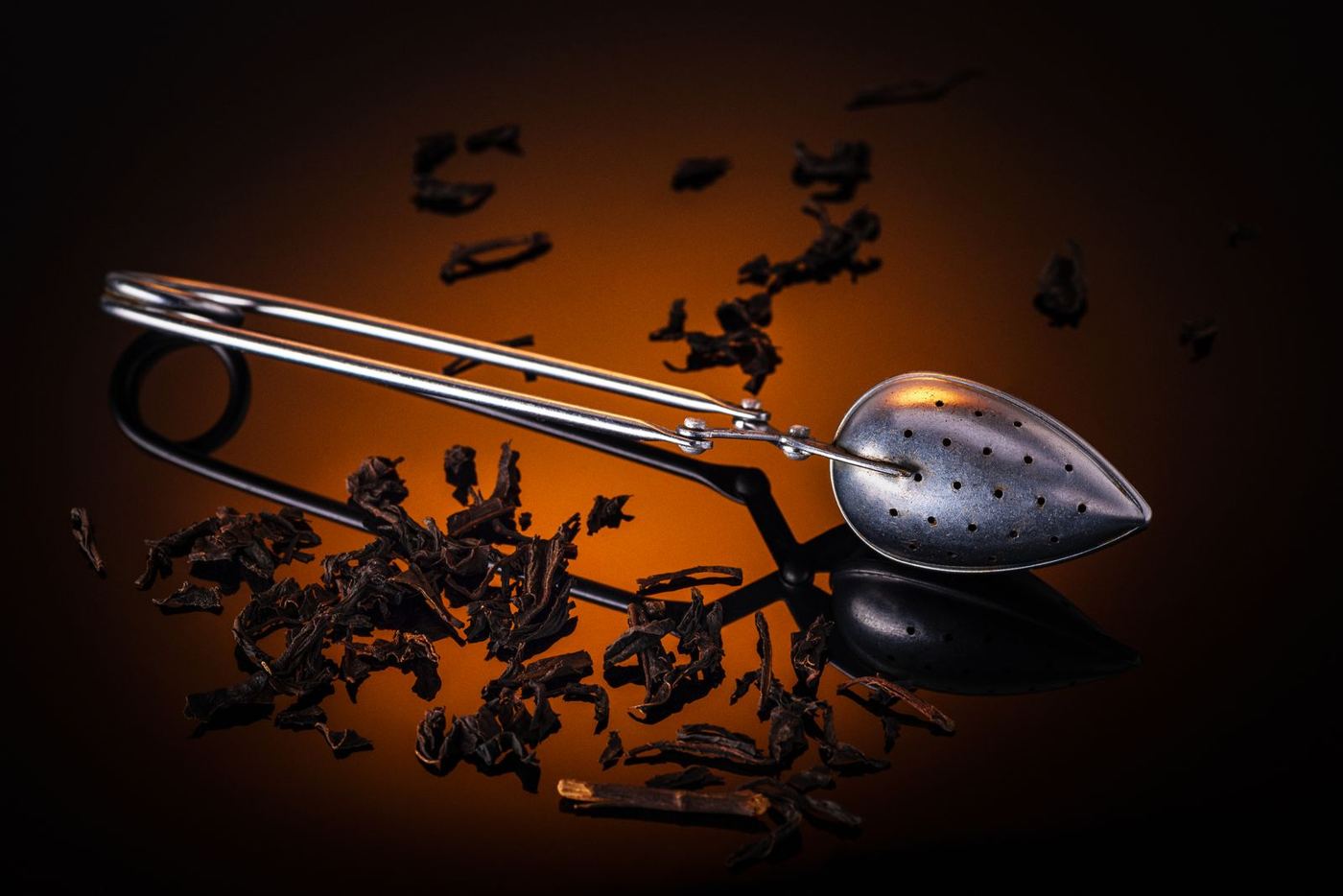
Photo: Evgeniy Alekseyev / Pexels
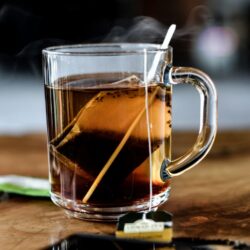
Fannings are small, broken pieces of tea leaf — bigger than dust but smaller than a broken-leaf grade, let alone whole leaf. They’re a normal byproduct of processing and grading, not a lesser plant, and they’re a common fill for standard tea bags.
Leaf grading sorts tea by particle size after processing, and fannings sit toward the fine end of that scale. Because they’re broken down more than whole leaf, they have more surface area exposed to water, which means they steep faster and release a stronger, more immediate cup — useful for a quick everyday bag of tea, less useful for someone chasing the layered flavor a whole leaf can unfold over a longer steep.
Fannings often get treated as an automatic downgrade from whole leaf, but that’s not quite fair. They’re frequently made from the same real leaf as a whole-leaf grade, just the smaller fragments left over after sifting and sorting — genuine tea, sized for speed rather than nuance, not a cheaper substitute grown differently.
Fannings vs. Dust
Fannings and dust are often confused, but they’re not the same grade. Fannings are visibly small leaf fragments you can still see the shape of; dust is finer still, closer to a powder, and steeps even faster and stronger. Both are common in tea bags for the same reason: speed and consistency matter more there than showing off a whole leaf.
Common fill for standard tea bags
Coarser than dust, the finest grade