“Fermentation” and “oxidation” get used interchangeably across a lot of casual tea writing, but they’re genuinely different processes, and only one of them describes what actually happens to most tea.
Oxidation, the process behind green, oolong, and black tea, is a chemical reaction with oxygen. No microbes are involved. True fermentation is different: it’s a microbial process, the same basic category of transformation behind foods like kombucha or sauerkraut, where living microorganisms actively break down and transform the leaf over time. Almost nothing in the standard tea family is fermented in this real sense. The one major exception is pu-erh.
Pu-erh: the real exception
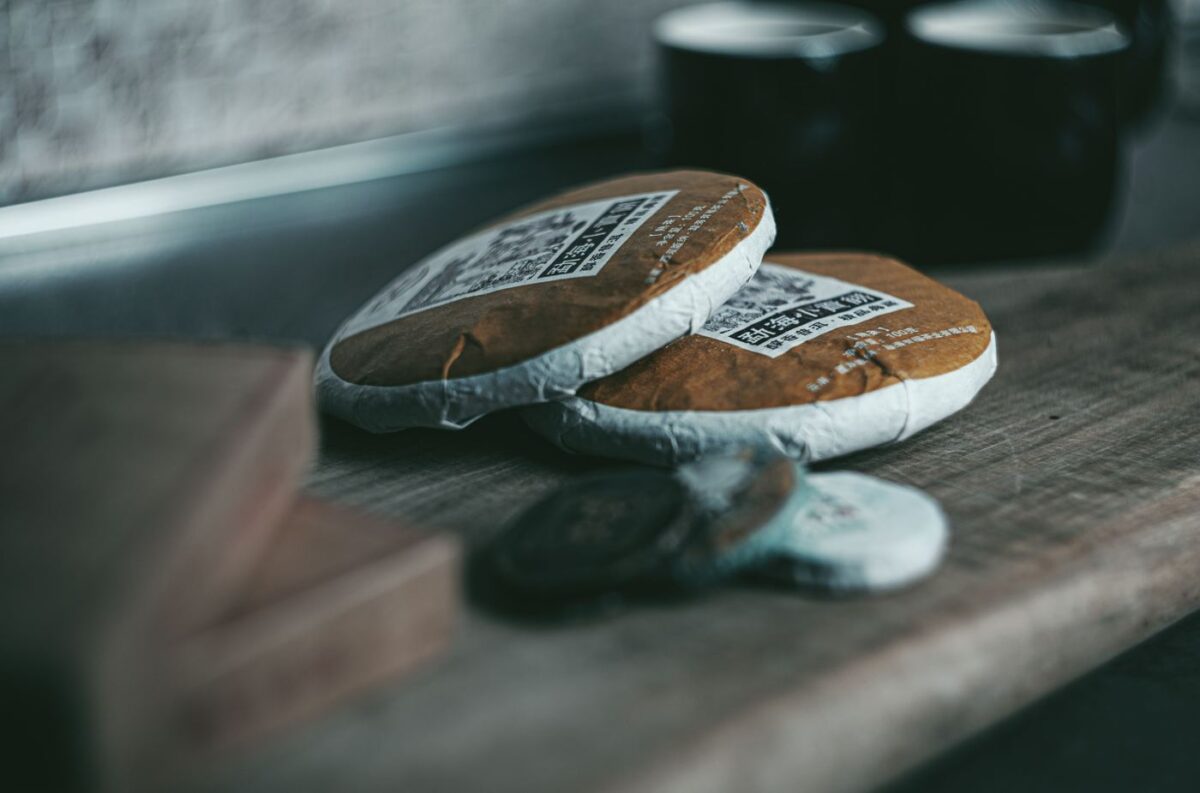
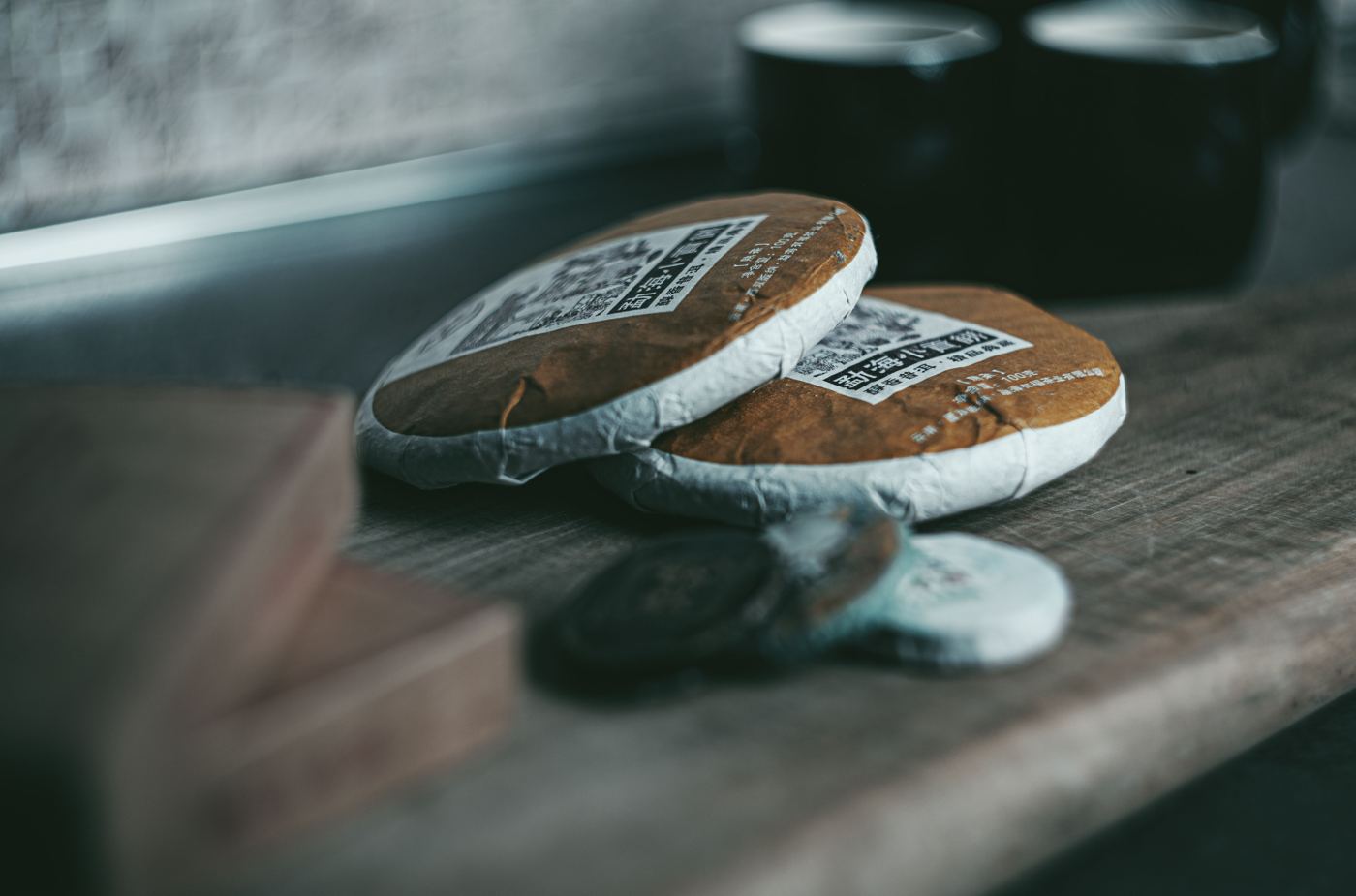
Pu-erh, from Yunnan, China, is aged and inoculated with microbes, either naturally over years (raw/sheng pu-erh) or through an accelerated pile-fermentation process developed in the 1970s (ripe/shou pu-erh). That microbial activity keeps changing the tea’s chemistry for as long as it ages, which is why a pu-erh cake can taste meaningfully different at five years old than it did fresh, in a way a bag of black tea sitting in a cupboard simply won’t. It’s also why pu-erh is often pressed into cakes or bricks and sold by vintage, more like wine than like a typical tea.
The mix-up matters more than it sounds like it should, since calling black tea “fermented” implies an aging, microbe-driven process that simply isn’t what happened to it. Black tea is fully oxidized, full stop, and its flavor is set the day it’s dried, not slowly evolving in storage the way a real fermented tea’s does.