Black Tea / Indian Origin
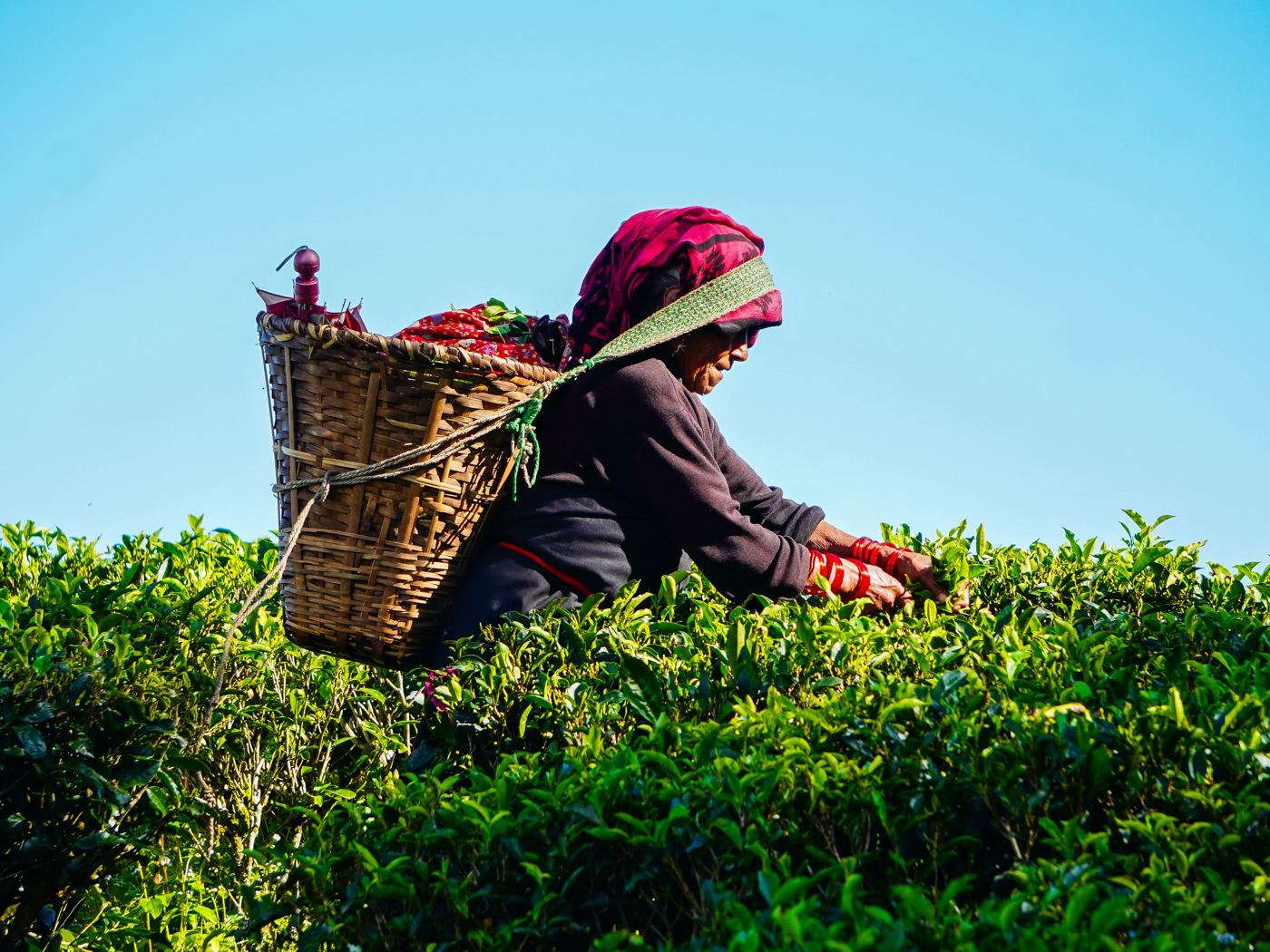
Photo: Arjis Kundu / Pexels
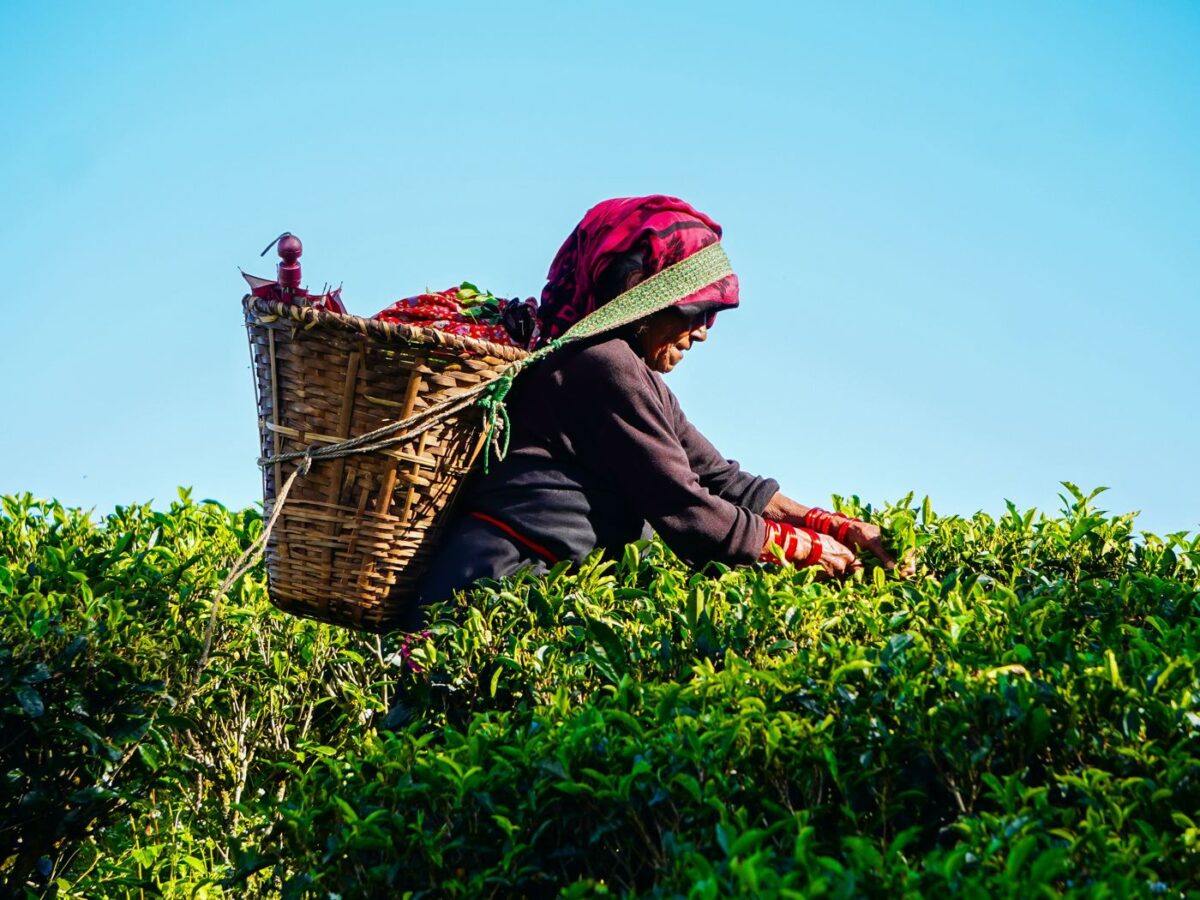
Darjeeling is tea grown in and around the hill town of Darjeeling in India’s West Bengal region, at elevations that can reach well over 6,000 feet. The high altitude, cool air, and misty growing conditions slow the tea plant’s growth, which concentrates flavor and gives Darjeeling its distinctive light body and muscatel, almost grape-like character — a trait tea drinkers often call “the champagne of teas.”
Darjeeling is harvested in flushes, or picking periods, through the growing season, and each flush tastes noticeably different. The first flush, picked in spring, tends to be lighter, more floral, and closer to a green tea in character. The second flush, picked early summer, is fuller-bodied and carries more of the classic muscatel note prized by collectors. Later flushes exist too, but the first and second are the most sought after.
Only tea grown within the legally defined Darjeeling region of India can be labeled and sold as true Darjeeling, a protected designation similar to how Champagne is protected in France — a safeguard that exists precisely because the name has been widely imitated.
How to Steep It
Darjeeling is more delicate than a typical black tea and is best steeped a bit cooler, around 195°F, for 3 to 4 minutes, to avoid bitterness overtaking its lighter character. It’s usually enjoyed without milk so the muscatel notes stay clear.
Prized for its muscatel character
First and second flush most sought-after