ALTERNATIVE CAFFEINE PLANT
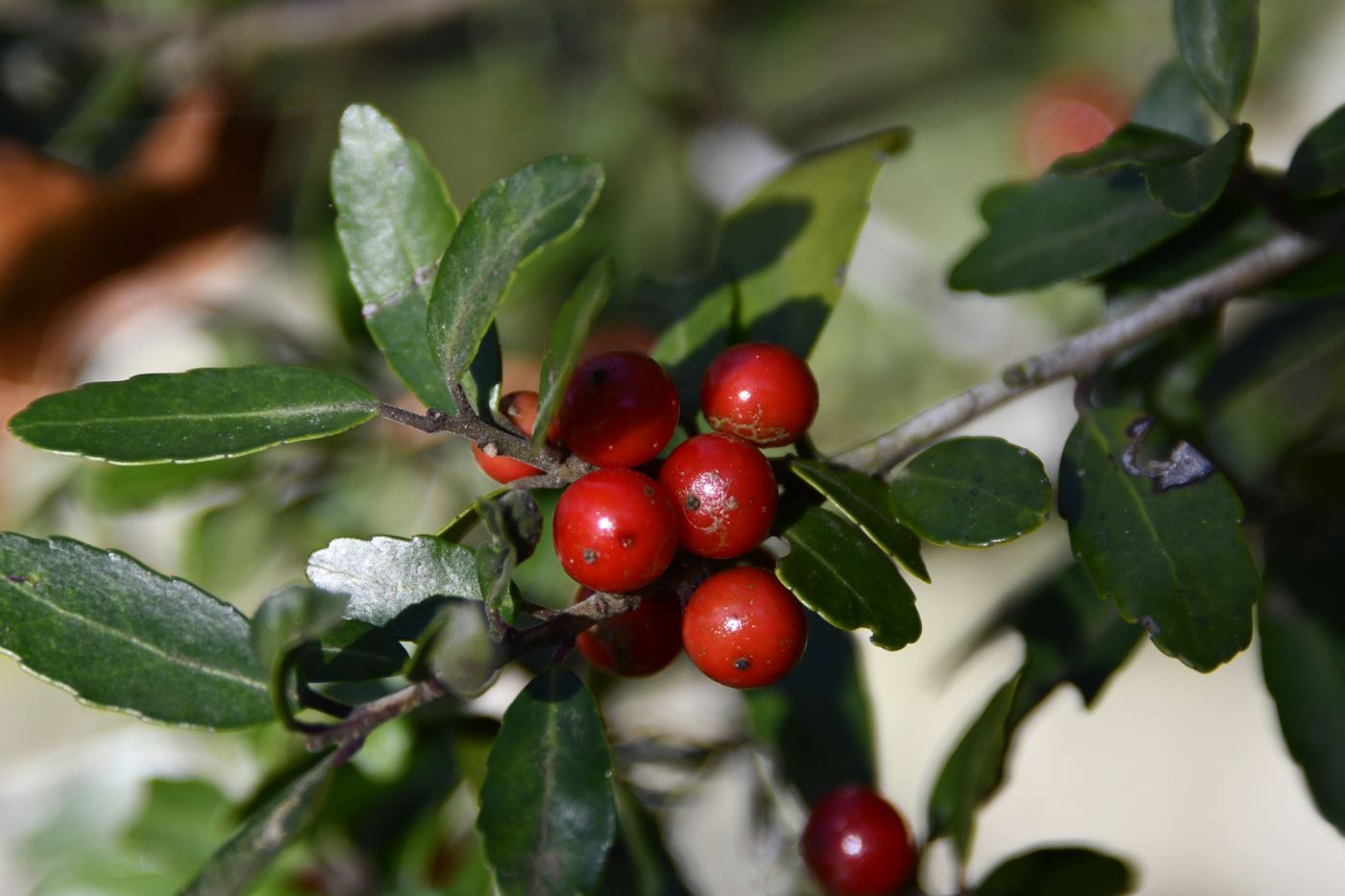
Photo: Brian Forsyth / Pexels
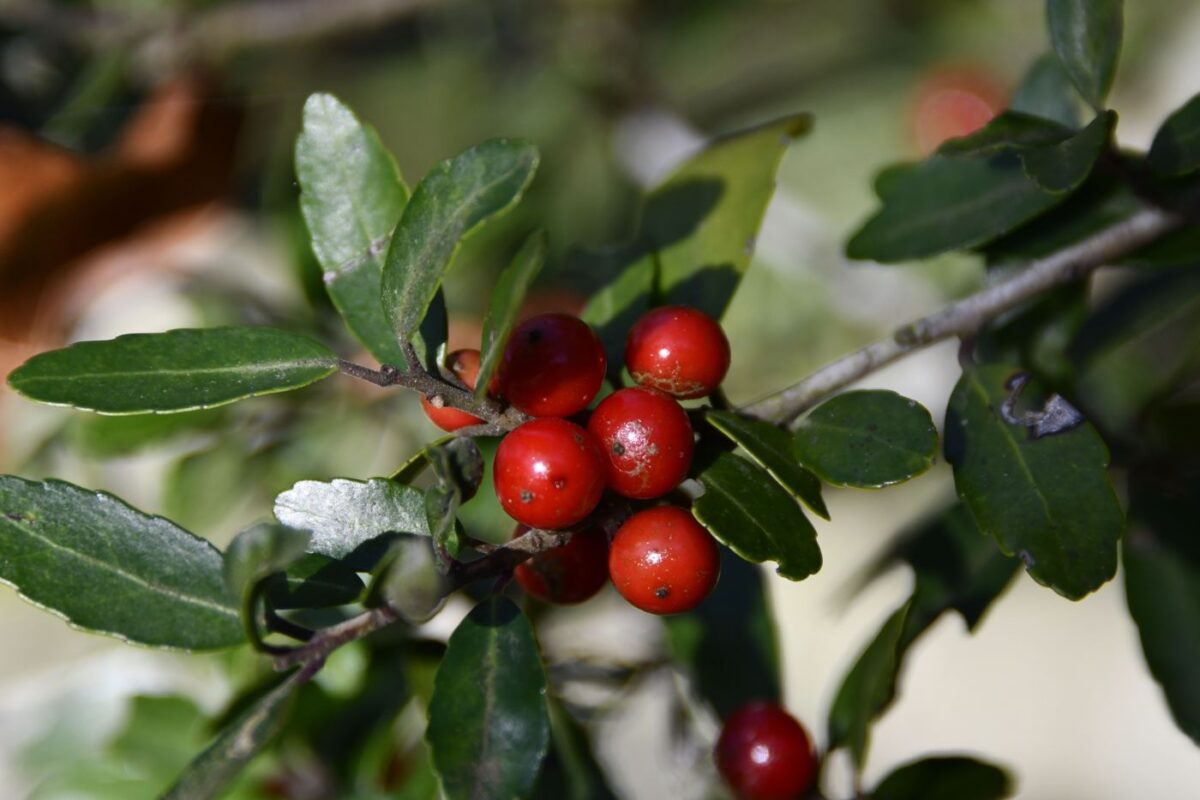
Yaupon (Ilex vomitoria) is the only plant native to North America that naturally contains caffeine — a small holly shrub that grows wild along the coastal plain from Texas to Virginia.
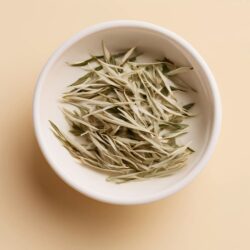
For centuries, Indigenous peoples of the Southeast — including the Muscogee, Timucua, and Yuchi — roasted and steeped yaupon leaves for ceremonial “black drink” gatherings, valuing it as a social and ritual beverage long before European colonization. The dried, roasted leaves brew into a smooth, slightly smoky cup that some compare to a mellow green tea or yerba mate, without the grassy bitterness of either.
Yaupon’s species name gave rise to a persistent myth: that the tea itself causes vomiting. Modern research hasn’t borne this out — the emetic effects described in some historical accounts of “black drink” ceremonies are generally attributed to the volume consumed or other ingredients in ceremonial preparations, not to yaupon leaf itself. Today it’s brewed the same way as any other tea, hot or iced.
Why It Matters
As more drinkers look for caffeine sources beyond coffee and Camellia sinensis, yaupon has drawn renewed interest as a homegrown, sustainably harvested alternative — it’s naturally pest-resistant, requires no pesticides to grow well, and, unlike yerba mate or guayusa, doesn’t need to travel from South America. Its caffeine content sits in a moderate range, and it’s traditionally been used for a gentle energy lift, though as with any caffeinated plant, individual sensitivity varies.
Only caffeinated plant native to North America
Roasted, smooth flavor