Harvest Timing
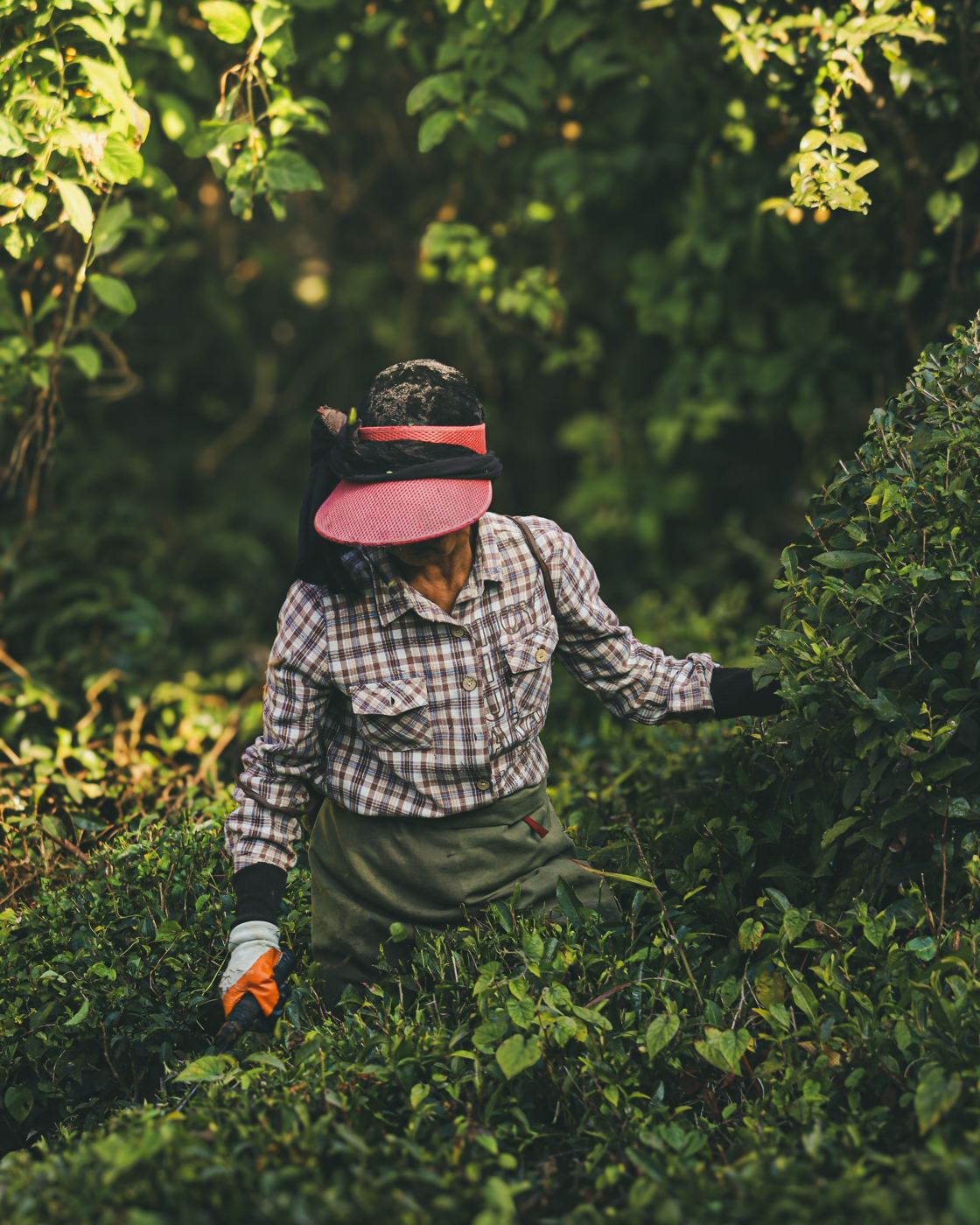
Photo: Rohit Sharma / Pexels
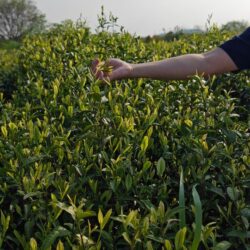
A flush is simply a harvest — one of the distinct picking periods that happen across a tea-growing season, each one producing leaf with its own character. A tea plant doesn’t grow at a steady rate all year; it pushes out new growth in flushes, with quieter periods in between.
The term matters most in regions with a real seasonal growing cycle, like Darjeeling and Assam in northeastern India, where the tea plant goes dormant over winter and comes back in distinct waves once warmer weather returns. A typical season runs first flush in spring, second flush in early summer, and sometimes a third or autumn flush later in the year, each tasting different because the leaf’s age, the weather, and the plant’s growth rate are all different at each point.
Not every tea-growing region talks about flushes the same way. In climates that stay warm year-round, the plant grows more continuously and the harvest is less about distinct waves and more about a steady picking rotation — so “flush” is really a concept tied to places where the seasons actually interrupt growth.
Why It’s Worth Knowing
Flush is the reason the same tea garden can sell noticeably different-tasting teas under the same regional name across a single year. Knowing which flush a tea comes from tells you more about what to expect in the cup than the region name alone.
Matters most where seasons interrupt growth
Each flush from the same plant tastes different