Harvest Timing
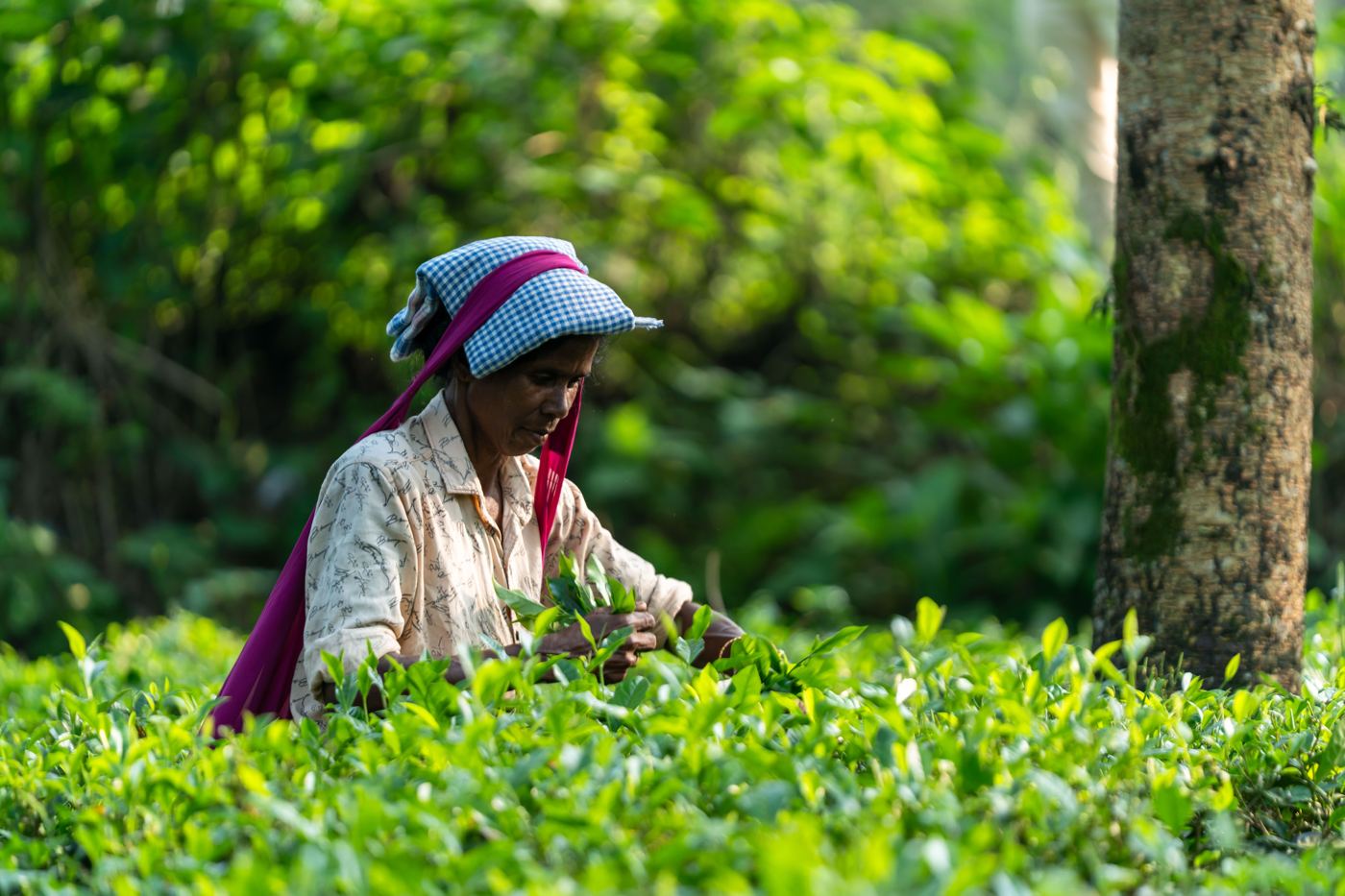
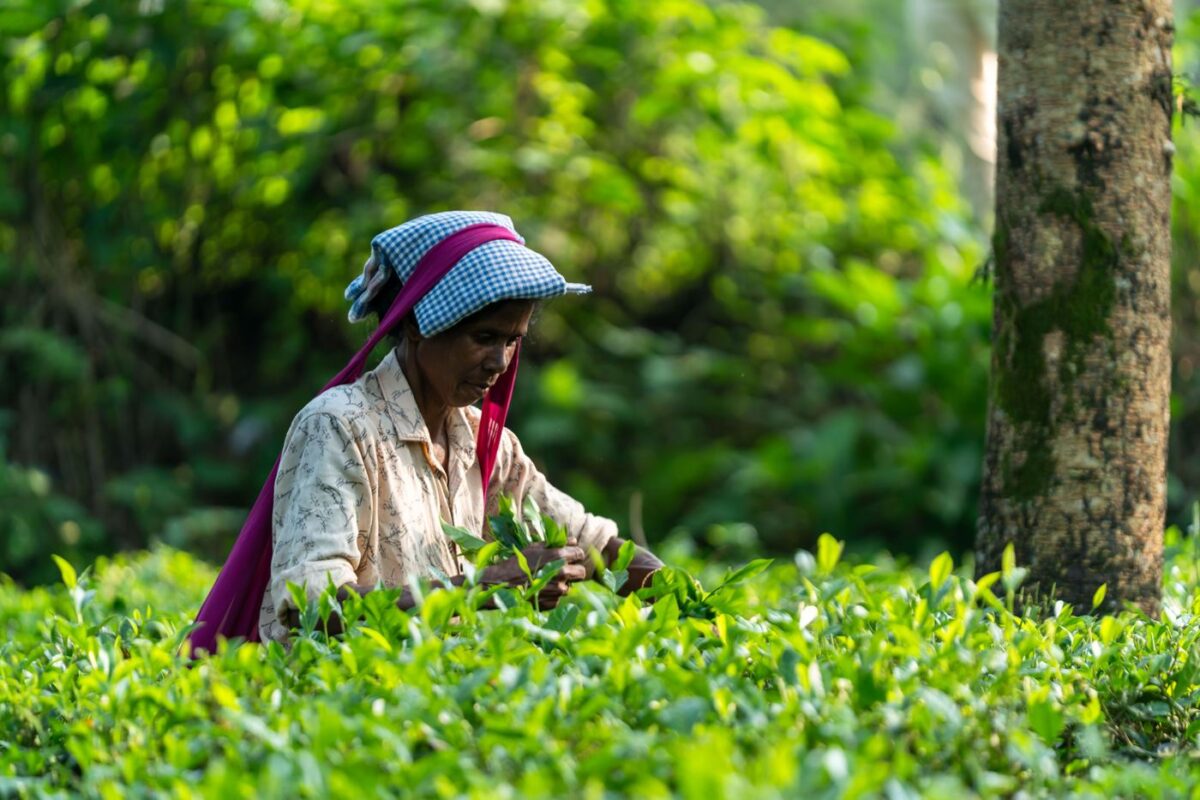
Photo: ShootSaga / Pexels
Second flush is the harvest that follows first flush, usually picked in early summer once the plant has had time to grow back fuller after its initial spring pluck. It tends to produce a fuller-bodied, more robust tea than the same bush’s first flush, with less of the light, floral character and more depth.
In Darjeeling, second flush is where the region’s signature muscatel note — a grape-like sweetness prized by collectors — shows up most clearly, which is part of why some drinkers actually prefer second flush to the more famous first flush. In Assam, second flush is the harvest tea drinkers associate with the region’s classic malty, full-bodied character, since the hotter early-summer weather speeds up the plant’s growth and concentrates flavor differently than the cooler spring pick.
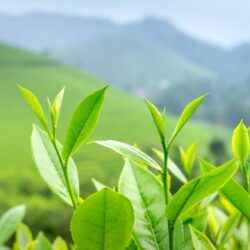
The leaves themselves are usually a bit larger and more mature by second flush, having had a full growth cycle since the plant came out of dormancy. That maturity is exactly what trades the first flush’s delicacy for more color, more tannin, and a heavier cup.
Not “Lesser,” Just Later
Second flush isn’t a step down from first flush, despite first flush often commanding the bigger price tag — it’s simply a different profile from the same plant. Anyone who prefers a stronger, more full-bodied black tea, especially one that can take milk, is often better served by a second flush than a delicate first flush.
Fuller body, more tannin than first flush
Source of Darjeeling’s signature muscatel note