Green Tea Powder / Japanese Origin
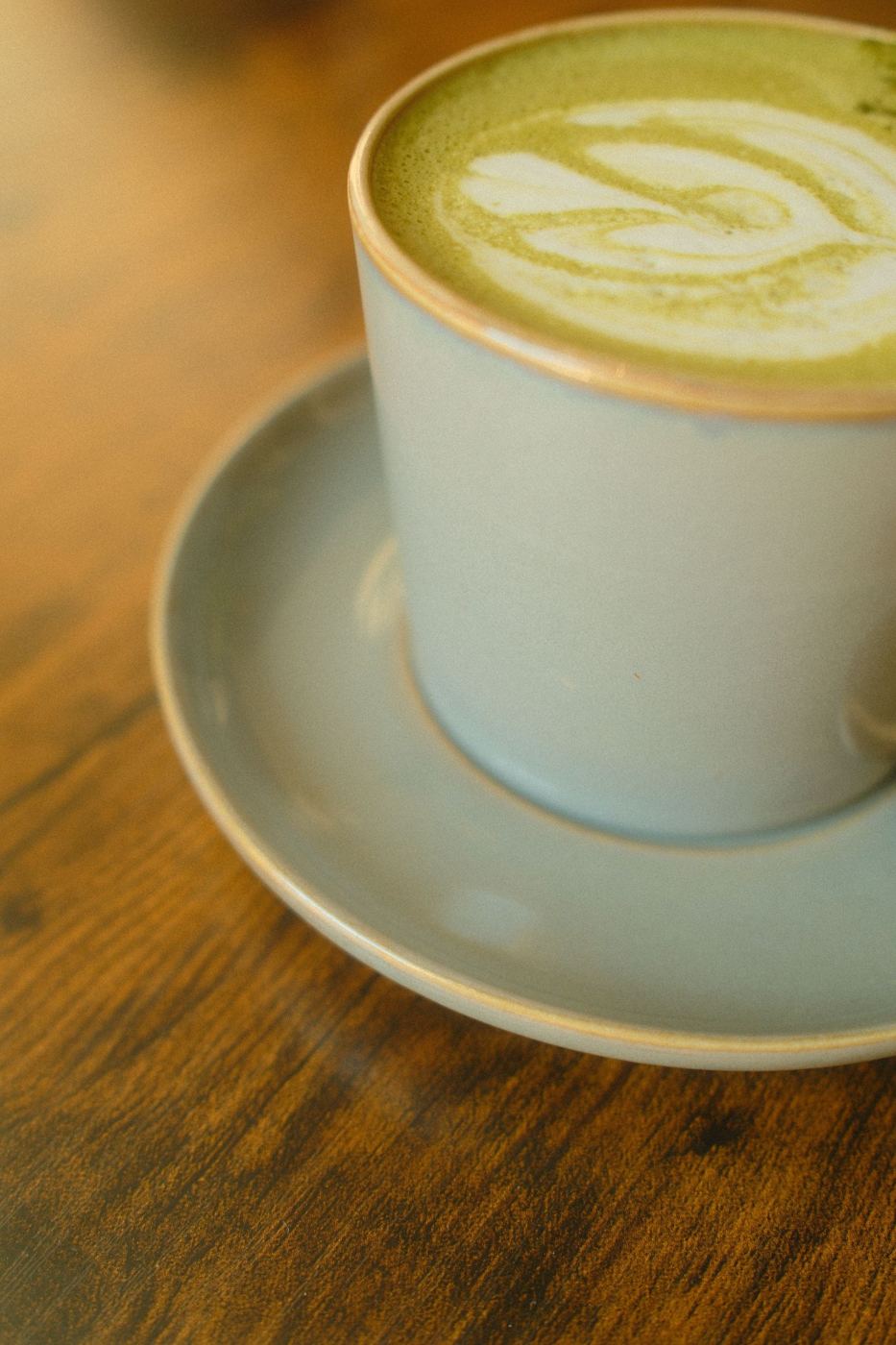
Photo: Alyona Nagel / Pexels
Matcha is finely ground green tea leaf, grown, harvested, and processed specifically to be whisked into water or milk rather than steeped and strained. Because you drink the whole leaf as a powder instead of an infusion, matcha delivers more of the leaf itself per cup — including more caffeine — than a typical steeped green tea.
Matcha production starts weeks before harvest, when the tea plants are shaded from direct sunlight. That shading increases chlorophyll and amino acid content in the leaf, which is what gives matcha its vivid green color and rounder, more savory-sweet flavor (often described by the Japanese term umami) compared to sun-grown green tea. After harvest, the leaves are steamed, dried, de-stemmed, and stone-ground into an extremely fine powder.
Matcha is graded largely by how it’s used: ceremonial grade is the highest quality, meant to be whisked with just water and drunk plain in the traditional Japanese tea ceremony (chanoyu), while culinary grade is more bitter and robust, intended for lattes, baking, and other recipes where it’s mixed with other ingredients.
Why It Matters
Because matcha is consumed as whole ground leaf, it’s often discussed for its concentration of catechins, plant compounds studied for potential antioxidant activity — though matcha should be treated as a traditional beverage rather than a supplement, and specific health claims are still an active area of research rather than settled fact.
Shade-grown before harvest
Ceremonial vs. culinary grade