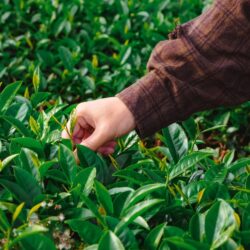
Catechins are a family of natural antioxidant compounds found in every tea leaf, but in very different amounts depending on how much the leaf was allowed to oxidize.
Green and white tea hold onto the most catechins of any category, since minimal oxidation means the leaf’s original compounds stay largely intact rather than breaking down and recombining the way they do in oolong and black tea. As oxidation runs further, a portion of the leaf’s catechins convert into other compounds entirely, like theaflavins and thearubigins, which is part of what gives black tea its deeper color and different character. Neither is “better,” they’re just chemically different outcomes of the same starting leaf.
Studied for real health interest, stated carefully
Catechins, especially a compound called EGCG that’s especially concentrated in green tea, have been studied for potential anti-inflammatory and antioxidant properties. That’s an active area of ongoing nutrition research, not a settled medical claim, and it’s worth treating it that way rather than as a guarantee about what any single cup will do for you.
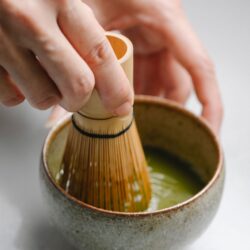
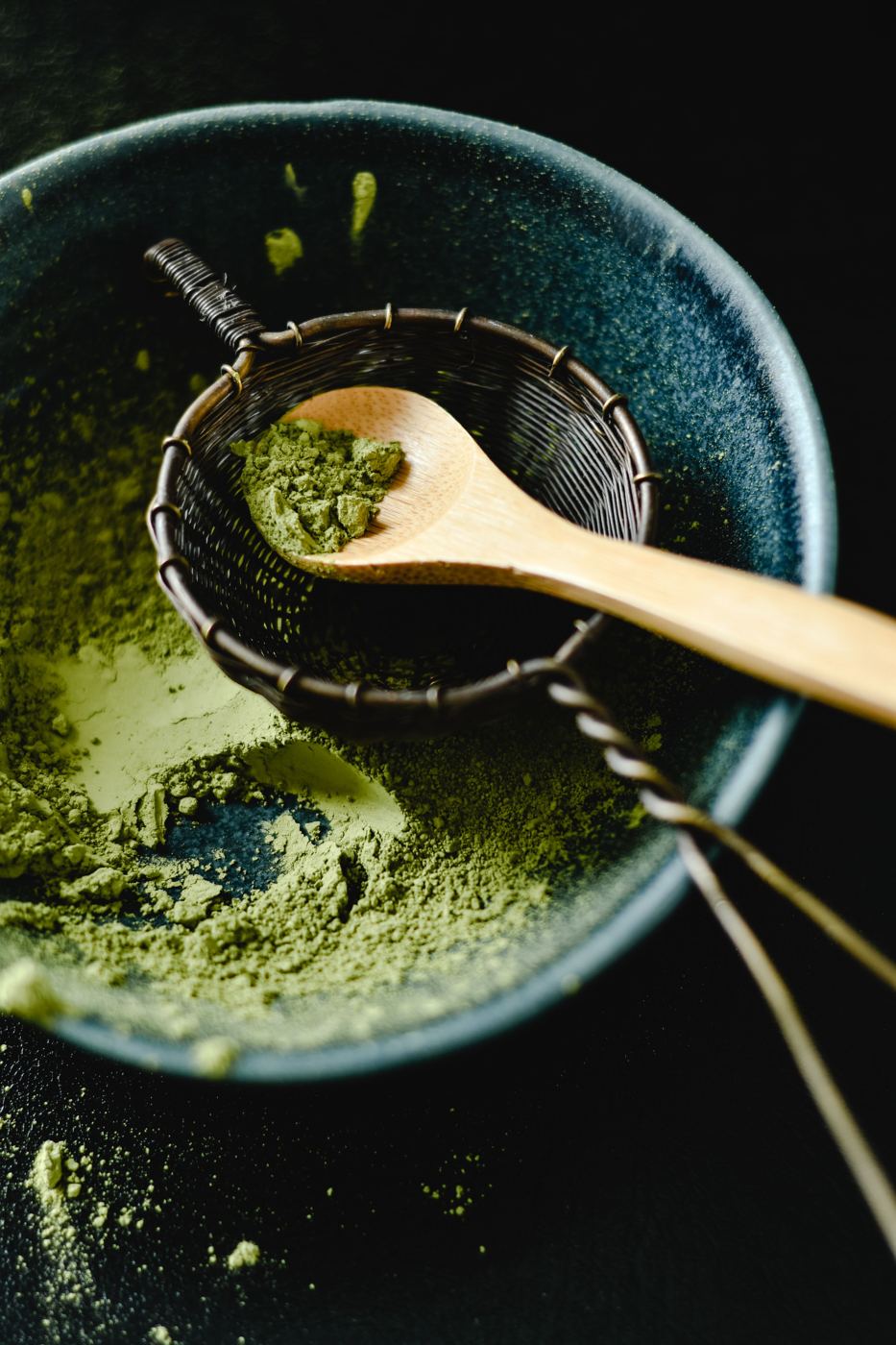
Matcha is a useful example of catechins at their most concentrated, since the whole leaf, ground into powder, ends up in the cup rather than being steeped and discarded.